RisingStar
- Home
- About Us
- Products
- News
- Video
- Contact
- Send Inquiry
Search
- Home
- About Us
- Products
- News
- Video
- Contact
- Send Inquiry
RisingStar
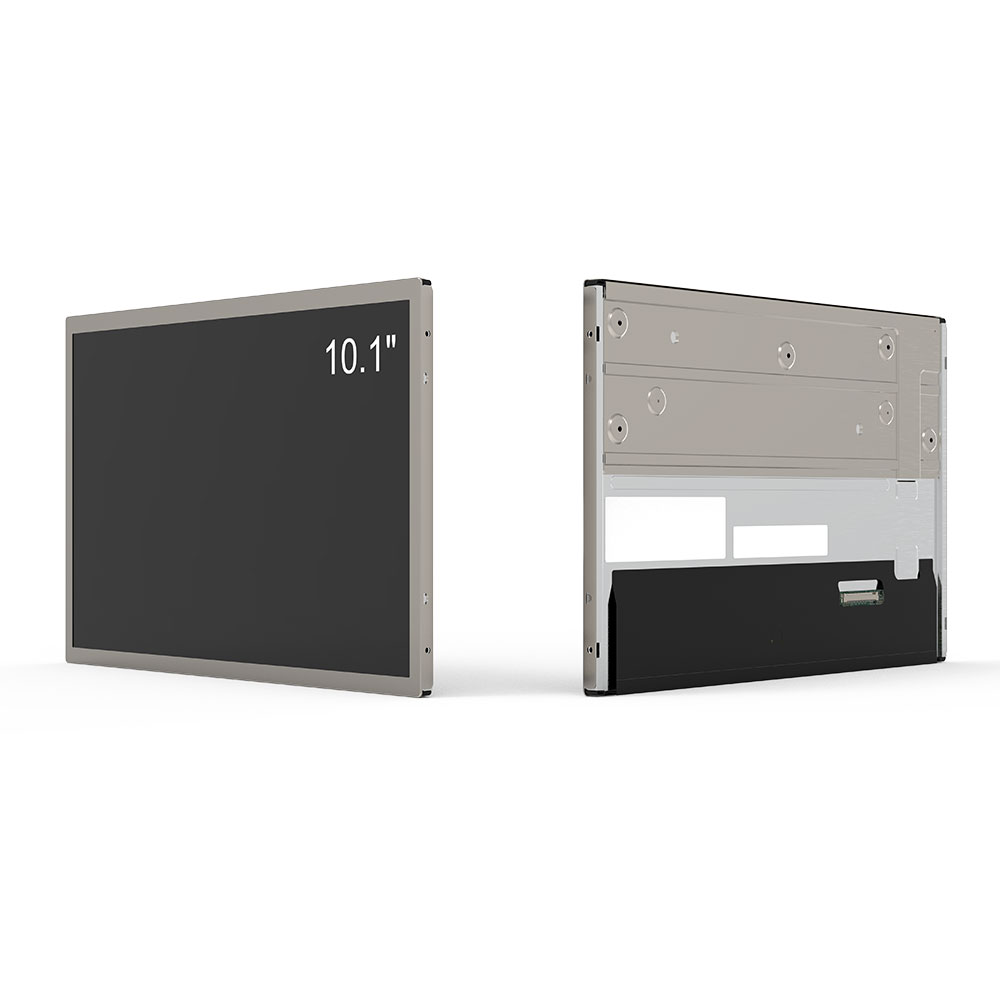
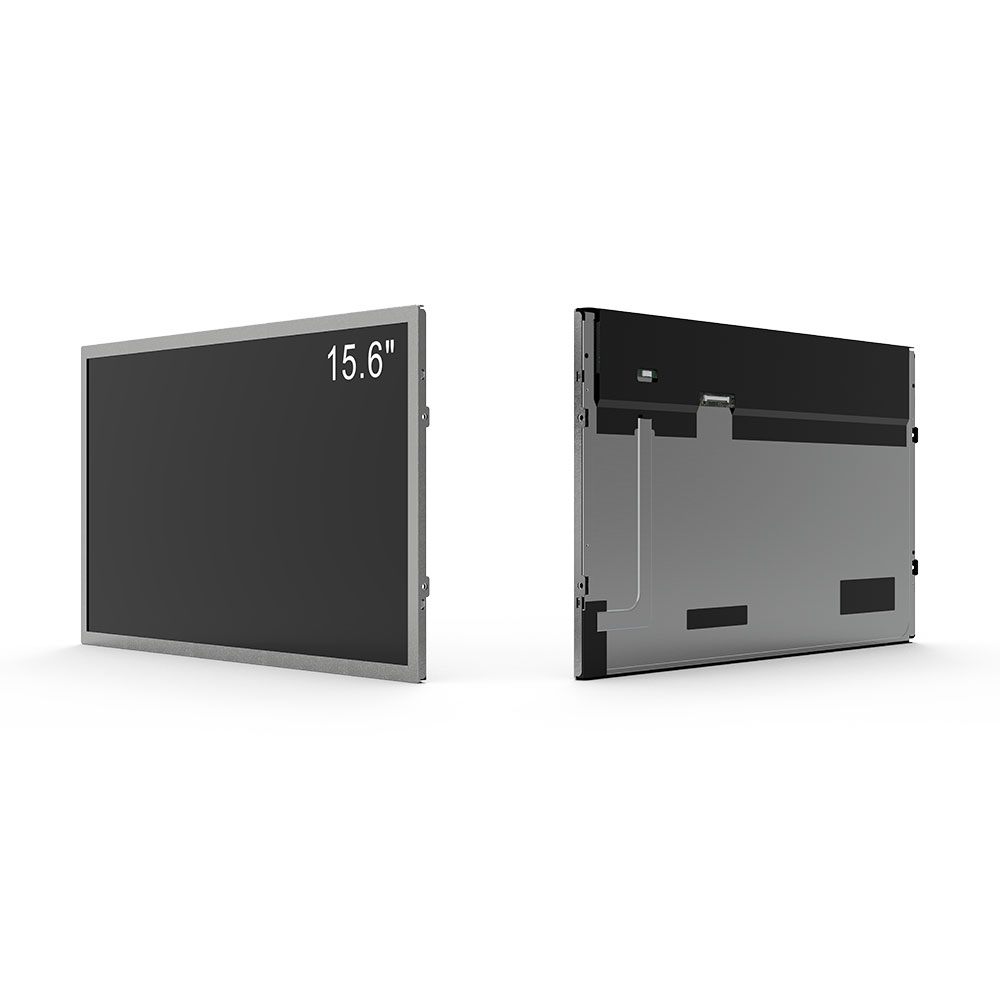
In the rapidly evolving landscape of industrial automation and outdoor equipment manufacturing, the demand for high-brightness sunlight-readable LCD displays has surged—especially among overseas equipment manufacturers and distributors seeking reliable, durable, and highly visible interfaces. These displays are no longer optional accessories; they are mission-critical components in applications ranging from construction machinery and agricultural vehicles to utility meters, military field devices, and solar monitoring systems.
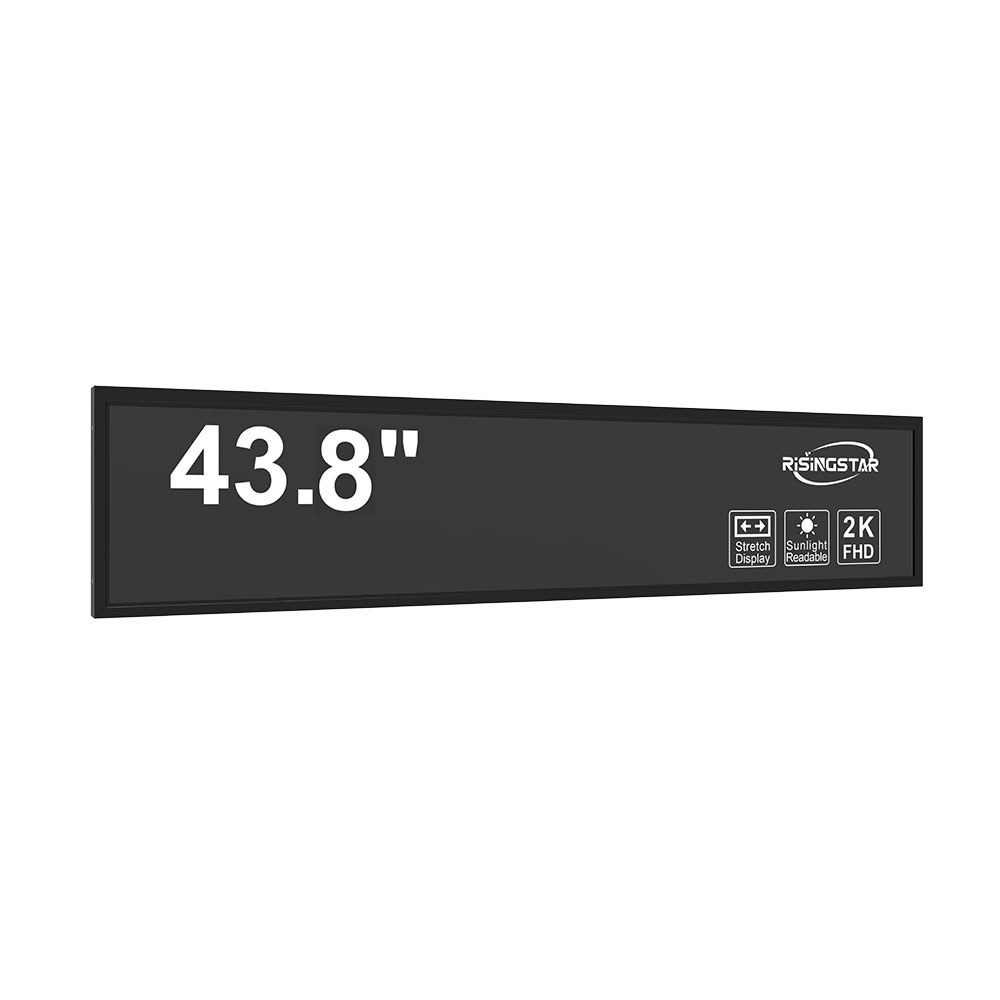
The key challenge in outdoor environments is visibility under extreme lighting conditions. Standard LCDs typically fail in direct sunlight due to insufficient brightness levels (usually 250–400 nits), which can render text and graphics unreadable. In contrast, high-brightness sunlight-readable LCDs operate at 1,500 to 5,000 nits or more, ensuring clear readability even in full sun (over 100,000 lux). This performance is achieved through a combination of advanced backlighting technologies, anti-glare coatings, polarized filters, and optimized pixel designs that minimize reflection while maximizing contrast ratio.
Industry standards such as MIL-STD-810G for environmental resistance and ISO 16750 for automotive electronics guide the design of these panels. Manufacturers must also adhere to IP65 or higher ratings for dust and water protection—critical for equipment operating in harsh conditions like deserts, coastal zones, or arctic climates. For example, a case study by LG Display demonstrated that their 10.4-inch sunlight-readable display (1,500 nits) deployed on off-road mining vehicles improved operator safety by reducing visual fatigue during extended shifts in bright sunlight.
Beyond brightness, other critical factors include wide temperature tolerance (-30°C to +70°C), long-term reliability (>50,000 hours MTBF), low power consumption (under 5W per panel), and compatibility with ruggedized control systems using RS-485, CAN bus, or Ethernet protocols. These features ensure seamless integration into OEM products without compromising system efficiency.
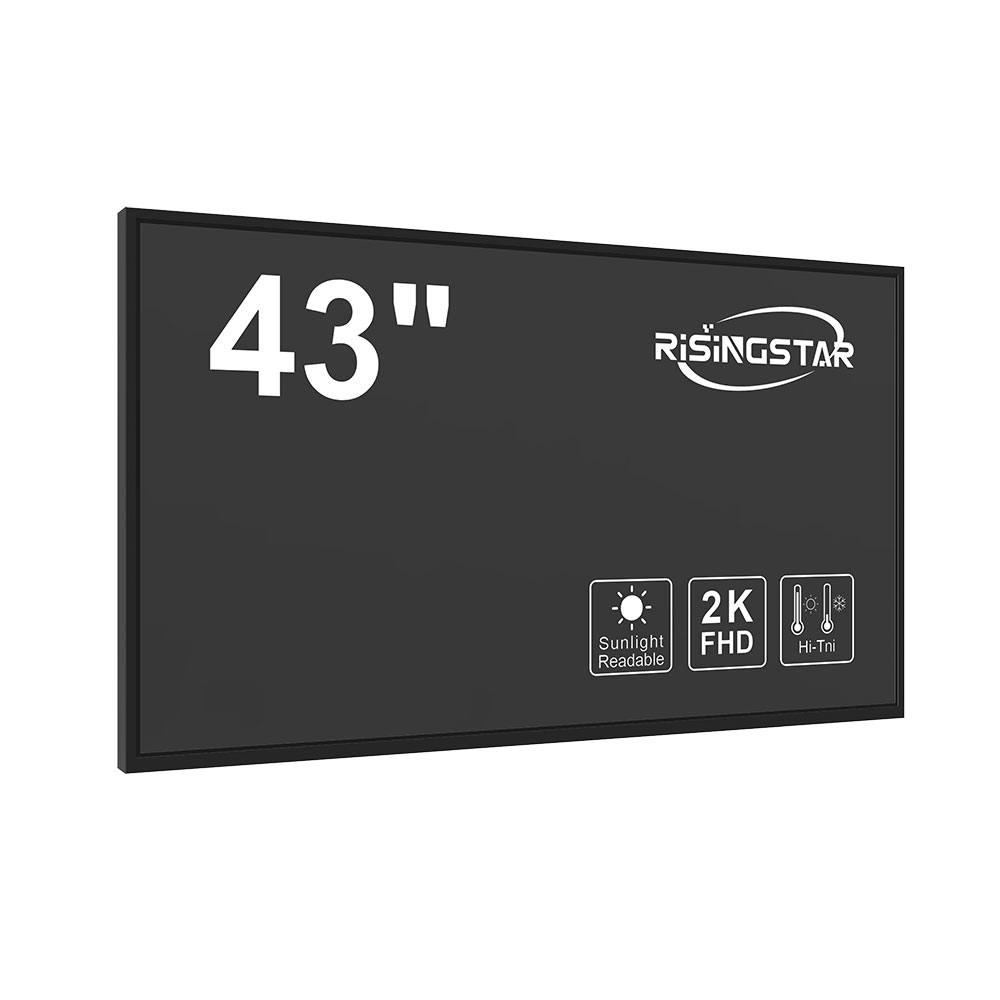
For overseas distributors, sourcing certified, tested, and scalable solutions from trusted suppliers—such as Innolux, AU Optronics, or Sharp—is essential. Customization options including touch functionality (resistive or capacitive), bezel materials (aluminum vs. plastic), and software APIs for dynamic content updates further enhance value. Additionally, compliance with RoHS and REACH regulations ensures global market access, particularly in Europe and North America.
Ultimately, investing in high-brightness sunlight-readable LCDs is not just about visibility—it's about operational uptime, user safety, brand reputation, and long-term cost savings. As industries increasingly adopt IoT-enabled outdoor systems, the ability to read data clearly in any environment becomes a competitive differentiator. OEMs and distributors who prioritize these displays will lead the next generation of resilient, intelligent equipment designed for real-world conditions.