RisingStar
- Home
- About Us
- Products
- News
- Video
- Contact
- Send Inquiry
Search
- Home
- About Us
- Products
- News
- Video
- Contact
- Send Inquiry
RisingStar
In today’s increasingly connected world, high-brightness sunlight-readable LCD displays are becoming essential components in outdoor and industrial environments where visibility under direct sunlight is critical. These displays go beyond standard backlighting technologies—they are engineered to deliver consistent image clarity even in extreme lighting conditions, from bright midday sun (up to 100,000 lux) to low-light or nighttime operation. According to a 2023 report by MarketsandMarkets, the global market for high-brightness LCDs is projected to grow at a CAGR of 6.8% through 2028, driven by demand from sectors such as transportation, military, agriculture, and public infrastructure.
The core technology behind these displays lies in their ability to produce luminance levels typically exceeding 5,000 nits—far above the 200–500 nits of consumer-grade LCDs. This performance is achieved through several advanced engineering strategies: high-efficiency LED backlights, anti-glare coatings, polarized filters, and specialized liquid crystal materials that enhance contrast ratios. For instance, military-grade displays often exceed 7,000 nits using cold cathode fluorescent lamps (CCFLs) or high-power LEDs in combination with reflective polarizers—a technique proven in field tests by the U.S. Department of Defense under MIL-STD-810 standards.
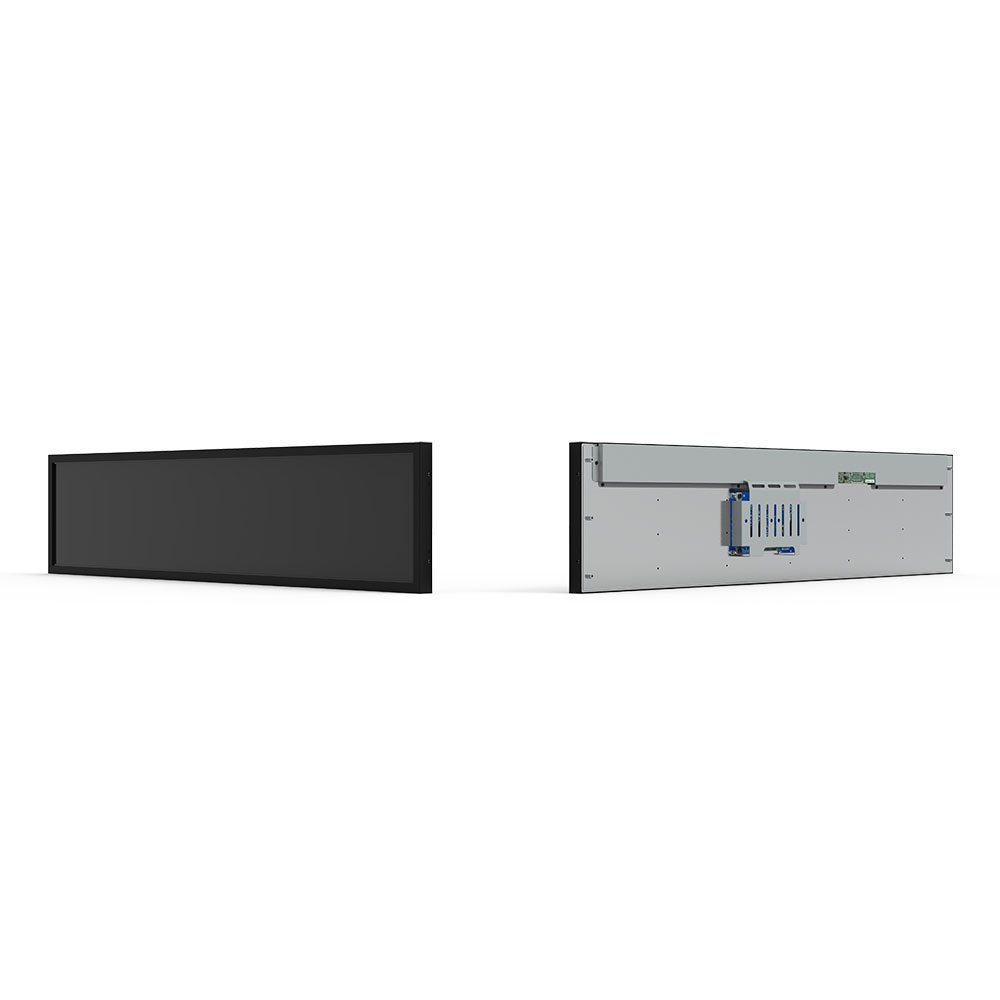
A key application area is automotive and fleet management systems. In 2022, Bosch introduced an IP69K-rated sunlight-readable display for heavy-duty vehicles operating in desert climates. The system maintains readability at 10,000+ nits while withstanding sand, dust, and thermal cycling—from -40°C to +85°C. Similarly, in the agricultural sector, John Deere uses similar displays in tractors equipped with GPS-based precision farming tools; these screens remain legible even when operators face full sun exposure for hours daily.
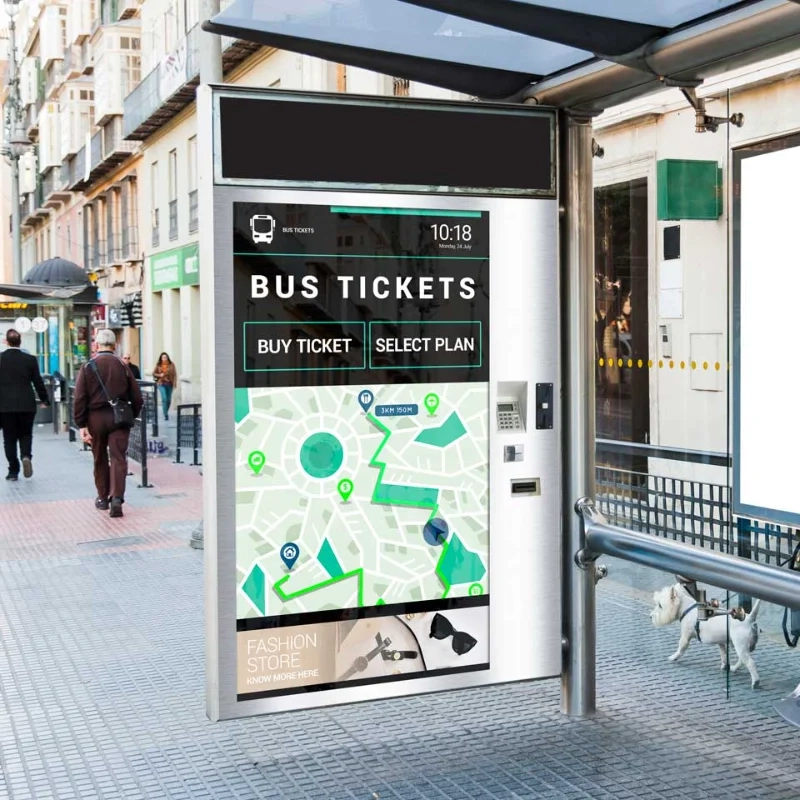
Manufacturers like LG Display, Sharp, and BOE have invested heavily in developing proprietary technologies such as “Sunlight Readable™” and “BrightEdge,” which combine local dimming algorithms with adaptive brightness sensors to reduce power consumption without sacrificing visibility. These innovations are crucial not only for battery-powered devices like handheld scanners and drones but also for large-scale installations such as digital signage in airports or highway toll booths.
From a user experience standpoint, sunlight-readable LCDs must also address viewing angles and color accuracy. High-end models incorporate wide-viewing-angle IPS (In-Plane Switching) panels and RGB subpixel arrangements optimized for outdoor use. A case study from the University of California, Berkeley, showed that users interacting with IPS-based sunlight-readable displays made 30% fewer errors during outdoor data entry tasks compared to TN (Twisted Nematic) panels.
Moreover, environmental certifications like RoHS compliance and energy efficiency standards (e.g., ENERGY STAR) ensure these displays meet both sustainability goals and regulatory requirements globally. As climate change increases outdoor exposure risks—such as heat stress and UV degradation—designers now prioritize durability, longevity, and minimal maintenance. This makes sunlight-readable LCDs not just functional but future-proof.
In summary, high-brightness sunlight-readable LCDs represent a convergence of optics, materials science, and human factors engineering. Their role extends beyond mere screen visibility—it's about enabling reliable decision-making in harsh environments, from construction sites to battlefield operations. With ongoing R&D and real-world validation across industries, these displays will continue to set benchmarks in performance, resilience, and usability.