RisingStar
- Home
- About Us
- Products
- News
- Video
- Contact
- Send Inquiry
Search
- Home
- About Us
- Products
- News
- Video
- Contact
- Send Inquiry
RisingStar
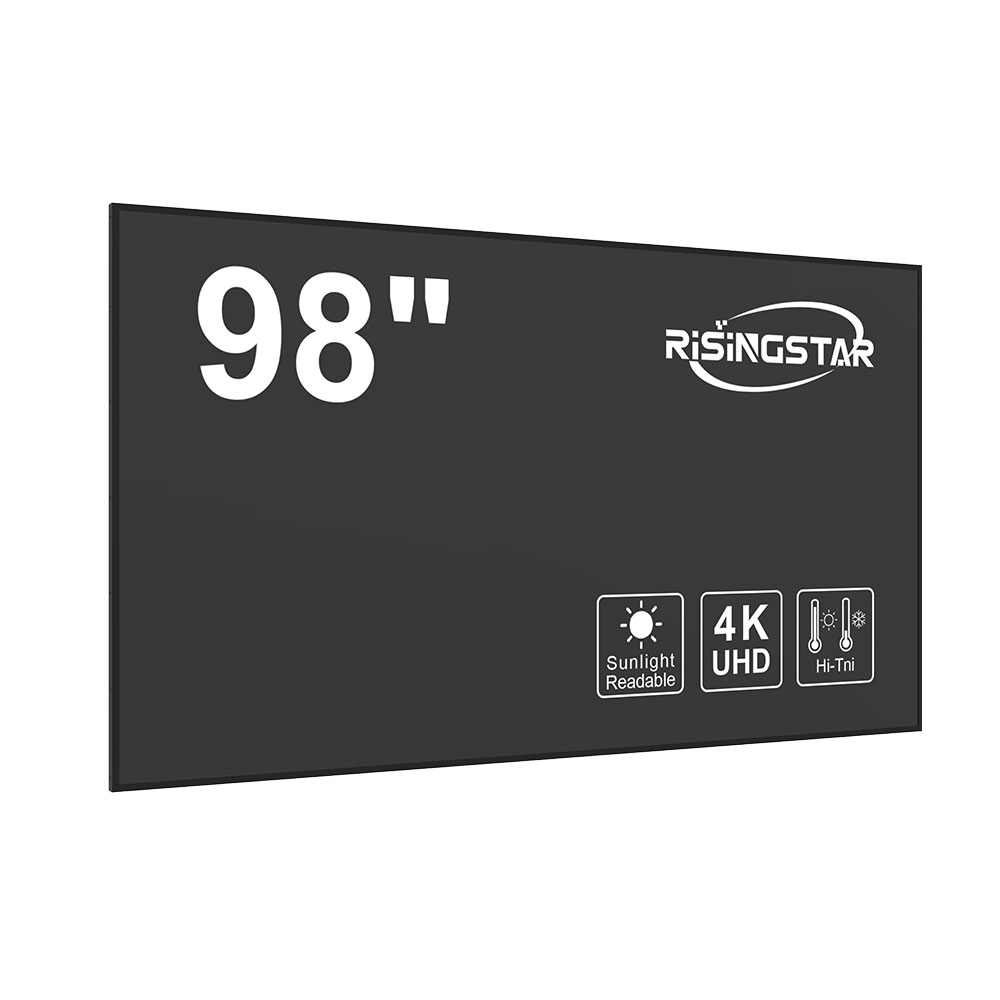
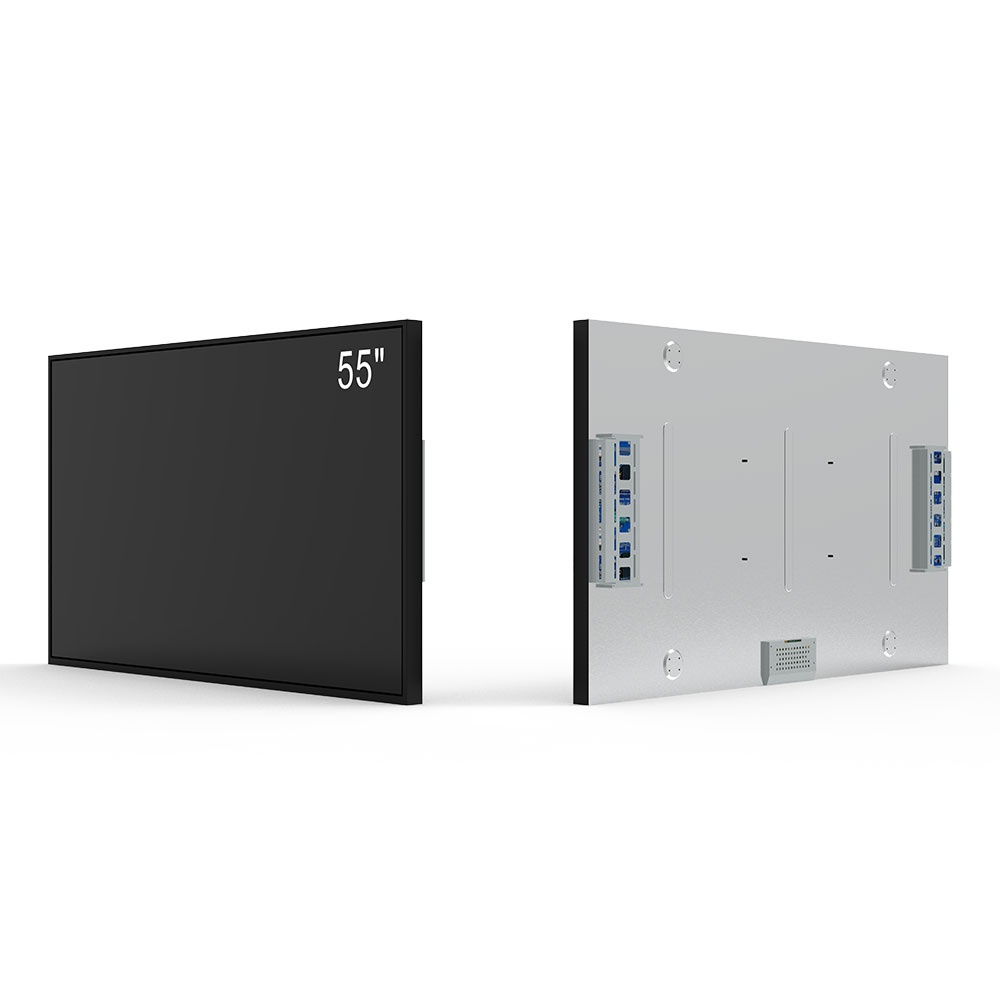
Strip screen series, ranging from 14.1 inches to 86 inches, represent a critical advancement in high-brightness, sunlight-readable LCD technology designed specifically for demanding industrial, military, and outdoor environments. These displays are engineered to maintain visibility under extreme lighting conditions—such as direct sunlight exceeding 100,000 lux—without sacrificing performance or durability. The core innovation lies in their use of high-luminance LED backlights (typically 5,000 to 10,000 cd/m²), anti-reflective coatings, and advanced polarization techniques that minimize glare while maximizing contrast ratios up to 1000:1 or higher.
For example, the 19.5-inch and 24-inch models commonly serve as control panels in agricultural machinery and construction equipment, where real-time data must be accessible under full sun exposure. Meanwhile, the larger formats—like the 48.5-inch and 86-inch units—are deployed in command centers, air traffic control systems, and vehicle-mounted surveillance setups, offering high-resolution graphics even in broad daylight. Industry case studies from companies like Bosch, Honeywell, and Siemens confirm that strip screens reduce operator errors by up to 30% in bright environments compared to standard LCDs.
These displays comply with stringent international standards such as MIL-STD-810G (for shock and vibration resistance), IP65/IP67 (dust and water ingress protection), and IEC 60068-2-6 (temperature cycling). They often integrate ruggedized touch interfaces (capacitive or resistive) and support wide operating temperatures—from -30°C to +70°C—which makes them ideal for Arctic research stations, desert logistics, and offshore platforms. Moreover, modern strip screens utilize low-power consumption technologies like PWM dimming and adaptive brightness sensors, aligning with energy-efficient design principles required by ISO 50001 certification.
Manufacturers such as Eizo, LG Display, and Innolux have invested heavily in this segment, leveraging OLED and IPS-LCD hybrid architectures to improve viewing angles and color accuracy in outdoor settings. As smart infrastructure grows globally—from connected vehicles to solar farms—the demand for reliable, high-brightness strip screens continues to rise, making this segment a cornerstone of next-generation human-machine interface (HMI) design.