RisingStar
- Home
- About Us
- Products
- News
- Video
- Contact
- Send Inquiry
Search
- Home
- About Us
- Products
- News
- Video
- Contact
- Send Inquiry
RisingStar
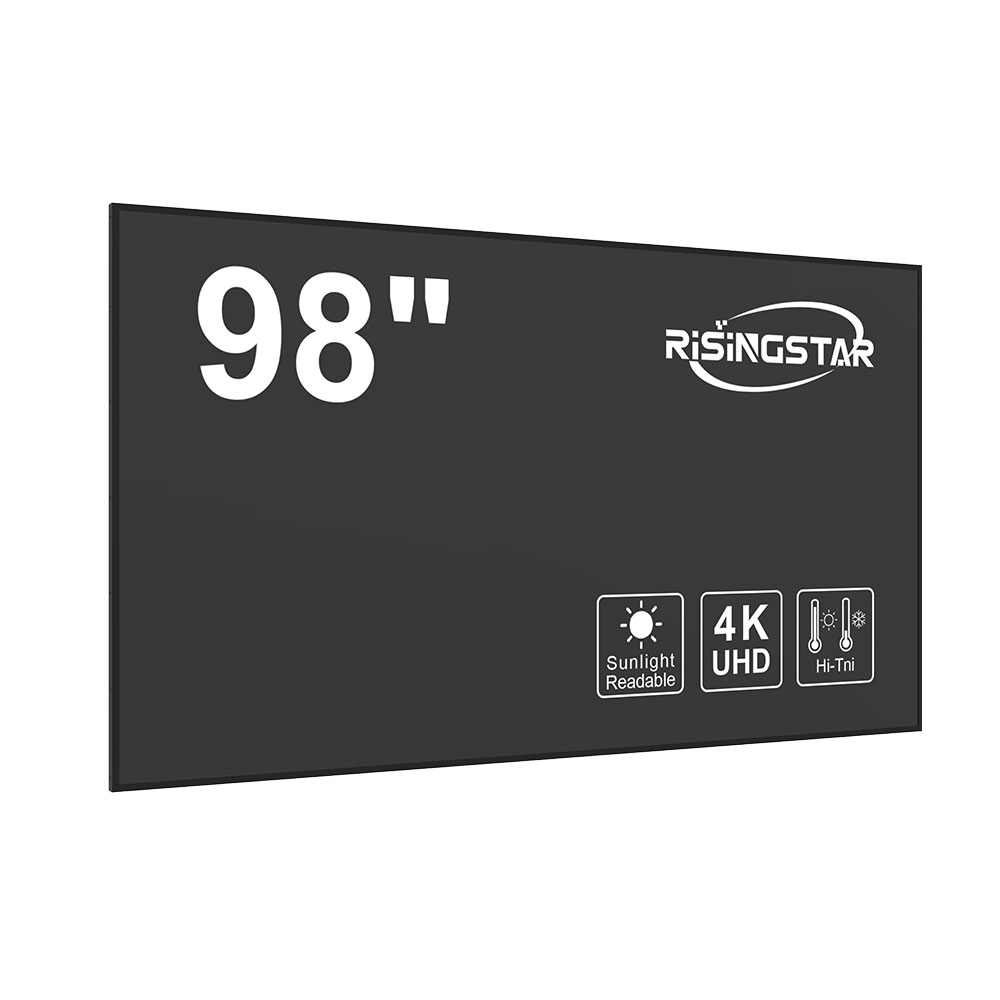
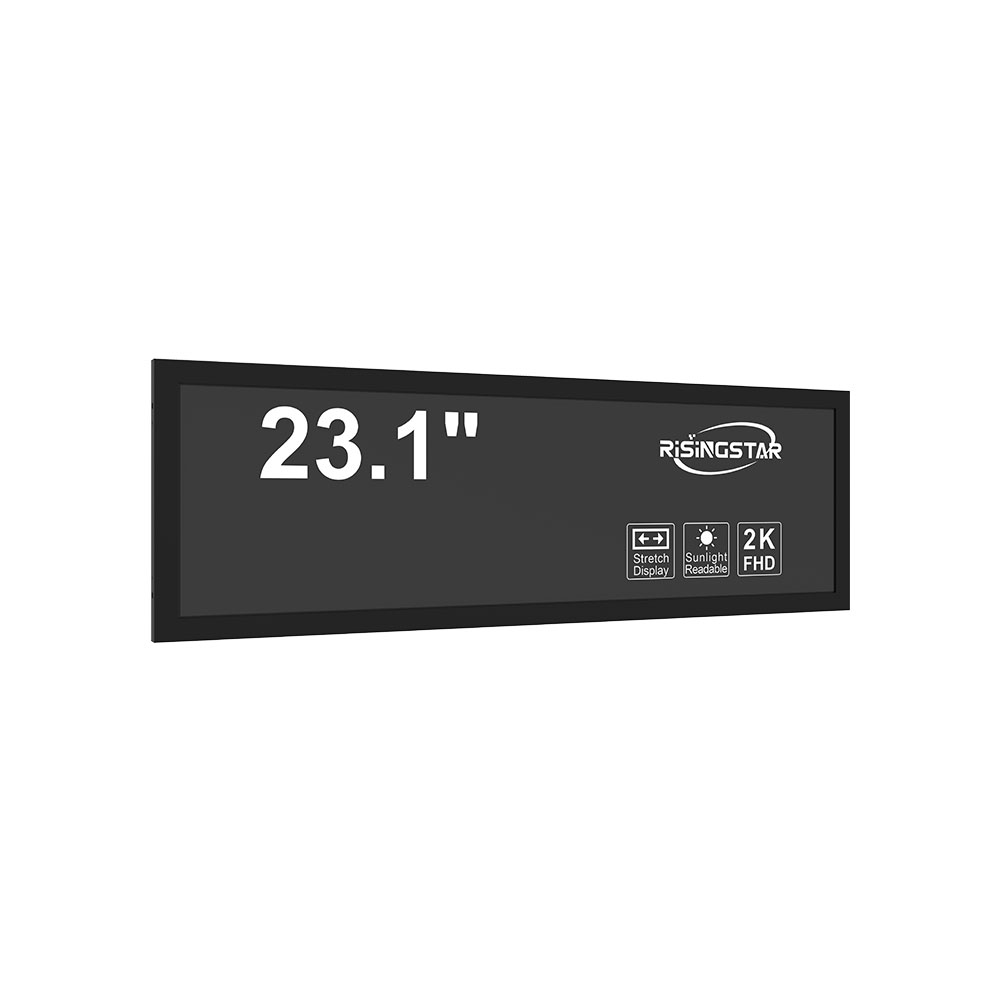
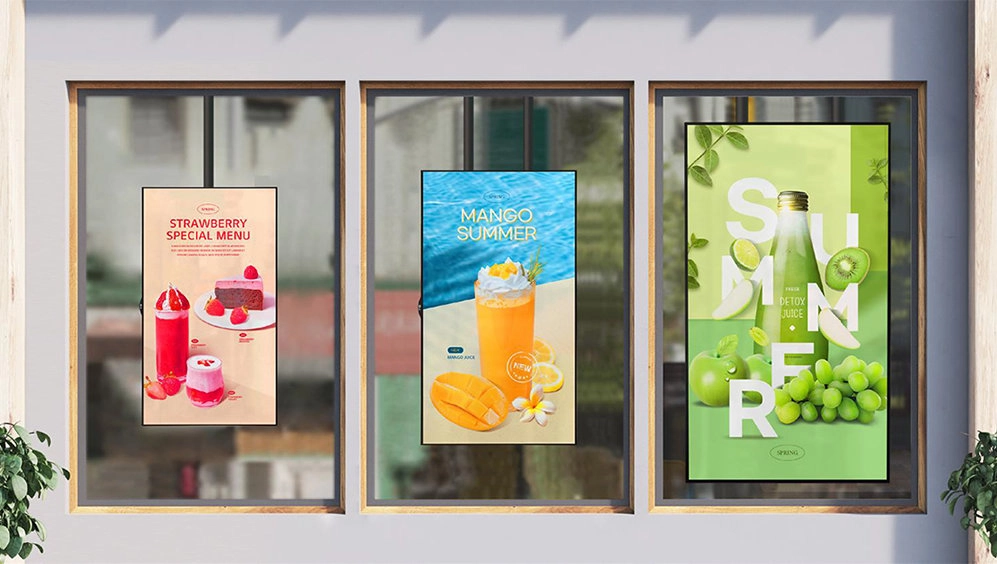
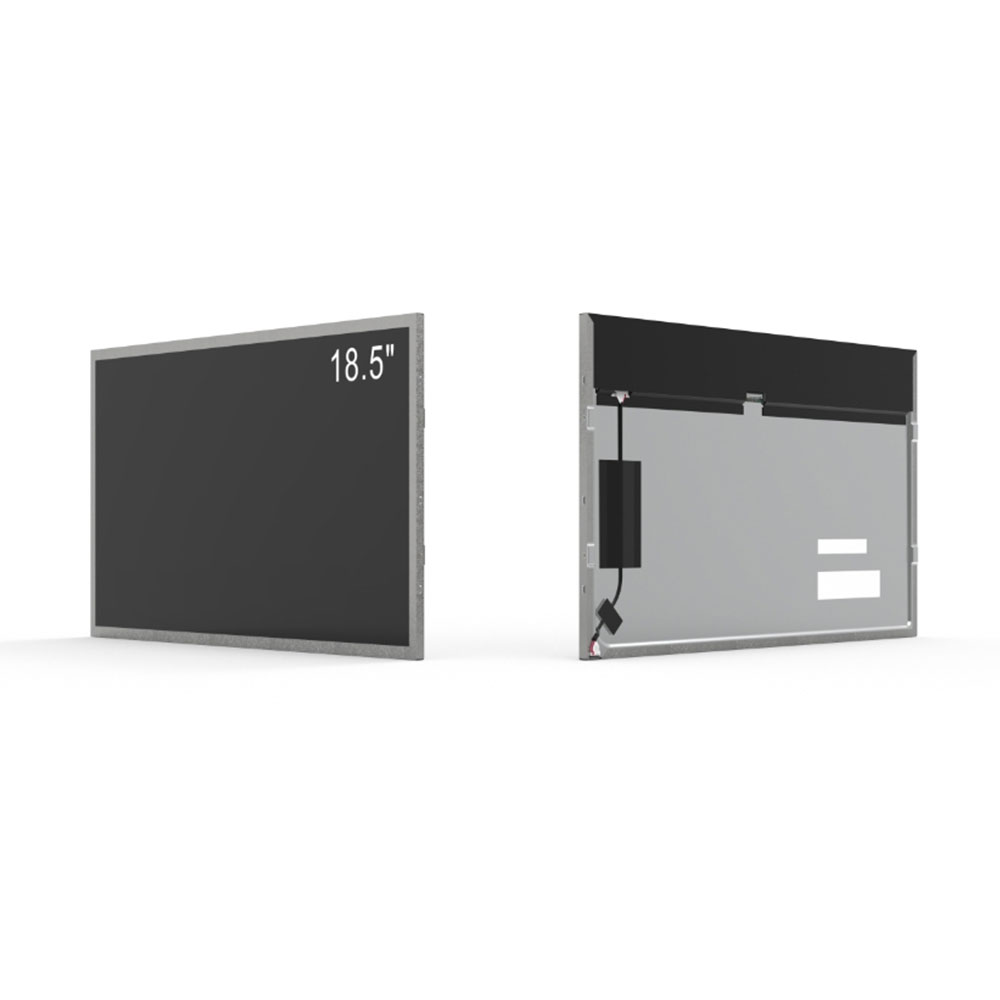
High-brightness sunlight-readable LCD screens are a critical innovation in display technology, specifically engineered to maintain visibility under intense ambient lighting conditions such as direct sunlight. These displays are indispensable in military, industrial, transportation, and outdoor consumer electronics applications where traditional LCDs fail due to glare, low contrast, or poor luminance. The core challenge in designing such screens lies in balancing brightness, power efficiency, and visual clarity—especially when ambient light levels can exceed 100,000 lux (typical of midday sun), compared to the 500–1,000 lux range for indoor lighting.
According to industry standards like MIL-STD-3009 and ISO 12647-2, sunlight-readable displays must achieve a minimum of 5,000 nits of peak brightness, with a contrast ratio of at least 1,000:1 under direct sunlight. Leading manufacturers such as Sharp, LG Display, and CMO (China Mobile Optronics) now produce panels capable of 7,000–10,000 nits using advanced backlighting systems like LED arrays with local dimming and high-efficiency polarizers. These innovations significantly reduce power consumption while enhancing readability—a key factor for battery-powered devices like field sensors, drones, and portable command units.
A case study from the U.S. Department of Defense’s Joint Capabilities Integration and Development System (JCIDS) highlights the adoption of 8,000-nit LCDs in ruggedized tactical tablets used by infantry units in Middle Eastern combat zones. Field testing revealed that soldiers could read mission-critical data during daylight operations without needing to seek shade—a major improvement over older 3,000-nit displays that became unreadable above 5,000 lux. This underscores the operational necessity of high-brightness screens in extreme environments.
Moreover, modern sunlight-readable LCDs integrate anti-reflective coatings (ARC), which minimize specular reflection (mirror-like glare) by up to 90%, and use wide-viewing-angle technologies like IPS (In-Plane Switching) or VA (Vertical Alignment) to ensure consistent image quality across different viewing angles. OLED-based solutions are also emerging, offering superior contrast ratios and deeper blacks, though they remain cost-prohibitive for mass-market applications. For example, Apple's iPad Pro uses an OLED variant optimized for sunlight readability, but its price point limits it to premium segments.
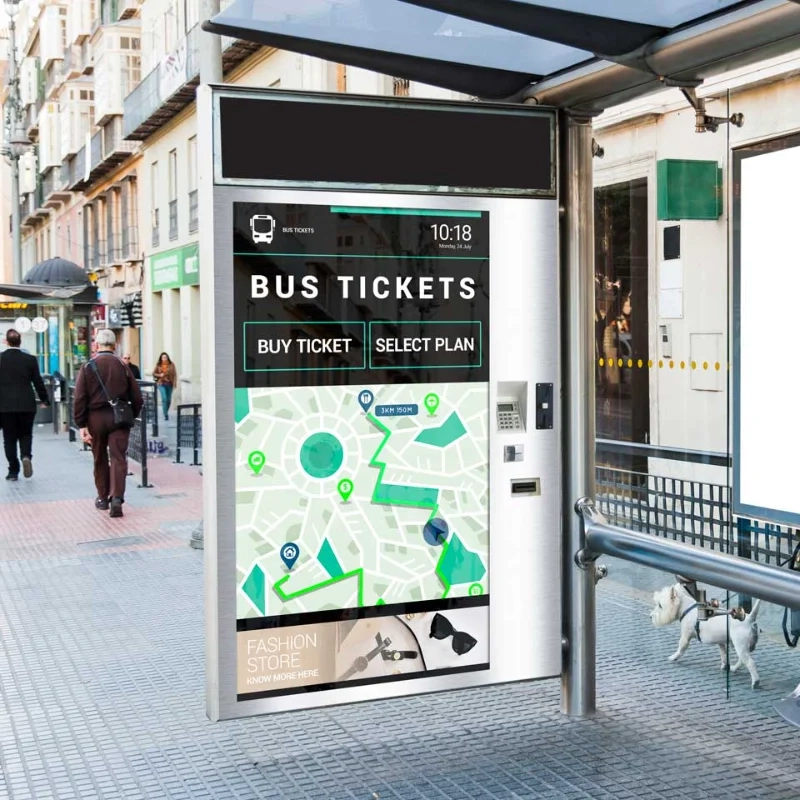
The future of this technology includes micro-LED backlights, which offer higher brightness uniformity and longer lifespans than LEDs, and AI-driven adaptive brightness algorithms that dynamically adjust based on real-time ambient light sensors. As global demand for outdoor digital interfaces grows—from smart city kiosks to agricultural monitoring systems—the evolution of high-brightness LCDs will continue to hinge on advancements in materials science, optical engineering, and energy-efficient design. Industry analysts at MarketsandMarkets estimate the global sunlight-readable display market will reach $12.7 billion by 2027, growing at a CAGR of 8.3%, driven by defense, automotive, and IoT sectors.