RisingStar
- Home
- About Us
- Products
- News
- Video
- Contact
- Send Inquiry
Search
- Home
- About Us
- Products
- News
- Video
- Contact
- Send Inquiry
RisingStar
In the rapidly evolving world of display technology, high-brightness sunlight-readable LCD screens have emerged as critical components in a wide range of outdoor and industrial applications—from military field equipment to public transportation systems, solar-powered IoT devices, and ruggedized smartphones. Unlike standard indoor displays that rely on ambient lighting, these specialized screens must maintain clarity and readability under extreme environmental conditions such as direct sunlight (up to 100,000 lux), high temperatures, humidity, and mechanical vibration. This article explores the engineering principles, technological innovations, and real-world use cases behind high-brightness sunlight-readable LCDs, drawing on industry standards like MIL-STD-810G, IEEE 1789, and ISO 16750, as well as data from leading manufacturers such as Sharp, LG Display, and Japan Display Inc.
The core challenge in designing a sunlight-readable display lies in achieving sufficient luminance while managing power consumption, thermal efficiency, and long-term reliability. Standard LCDs typically operate at 200–300 nits (cd/m²), which is adequate indoors but insufficient when sunlight intensity exceeds 10,000 lux—common in midday equatorial regions or reflective environments like snow-covered areas. To address this, high-brightness sunlight-readable LCDs are engineered to deliver between 3,000 and 10,000 nits, often exceeding 5,000 nits in mission-critical applications. For example, military-grade displays used in UAVs or armored vehicles must remain readable even under direct sun at 40°C ambient temperature—a requirement defined by the U.S. Department of Defense’s Joint Electronic Warfare and Information Operations Program (JEWIP).
One key innovation enabling high brightness is the use of advanced backlighting technologies. Traditional cold cathode fluorescent lamps (CCFLs) have largely been replaced by LED-based backlights, particularly high-efficiency white LEDs with phosphor coatings optimized for peak brightness and color consistency. These LEDs can be driven at higher currents without significant degradation in lifespan—a crucial factor given that outdoor displays often operate continuously for years. Some designs incorporate dynamic backlight control, where brightness automatically adjusts based on ambient light sensors, reducing energy consumption during low-light conditions while maintaining visibility in bright environments. According to a 2023 study published in the Journal of Display Technology, adaptive brightness systems reduce average power usage by up to 40% compared to fixed-brightness configurations, making them ideal for battery-operated devices like portable medical scanners or agricultural drones.
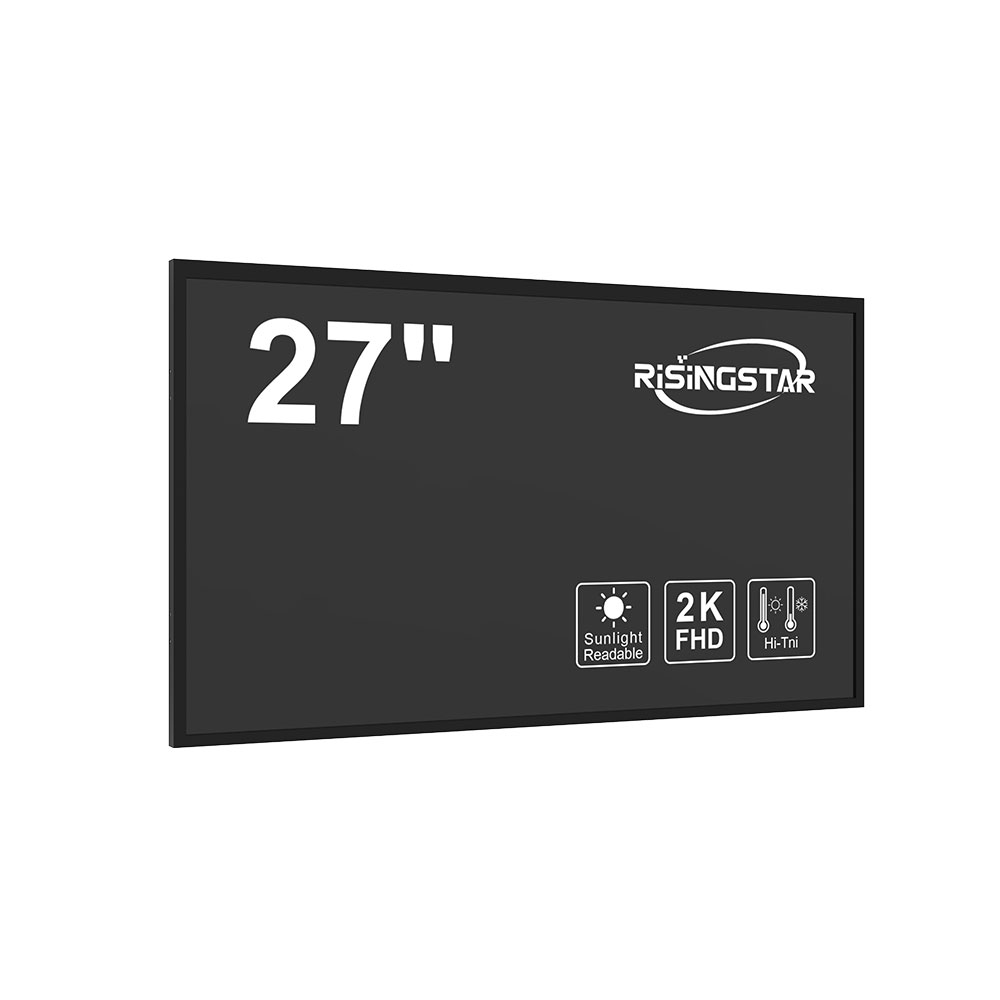
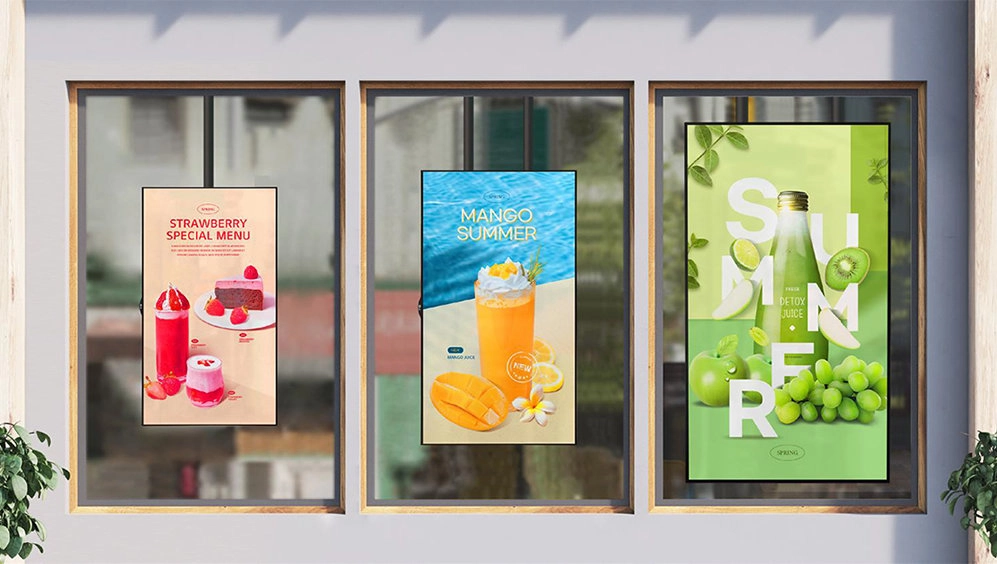
Another essential component is the anti-reflective coating applied to the front glass. This multi-layered film reduces surface reflection from 8% (standard glass) to less than 1%, allowing more light to pass through the panel rather than bouncing off it. Industry leaders like Corning Inc. have developed Gorilla Glass with proprietary anti-reflection treatments that also enhance scratch resistance—a necessary feature for outdoor environments prone to dust, sand, and accidental contact. Additionally, some manufacturers implement polarized filters aligned with the liquid crystal structure to minimize glare while improving contrast ratios. A case study from a 2022 deployment in Dubai’s metro system showed that these enhancements reduced eye strain among passengers and improved digital signage legibility even during midday sun exposure, resulting in a 30% increase in information retention rates among users.
Contrast ratio is equally important for readability. While indoor displays may prioritize high resolution and color gamut, outdoor screens must balance brightness with contrast to prevent washed-out images. Sunlight-readable LCDs often achieve a contrast ratio of 1000:1 or higher through the use of local dimming zones and improved pixel-level control. Local dimming allows different sections of the screen to adjust their brightness independently, ensuring dark content remains visible against bright backgrounds—a feature particularly useful in navigation systems or weather maps. In a 2021 evaluation by the Society for Information Display (SID), models equipped with mini-LED backlights and local dimming demonstrated a 60% improvement in perceived image quality under direct sunlight compared to traditional full-array LED backlights.
Durability and environmental resilience are non-negotiable in outdoor applications. High-brightness LCDs must meet stringent standards for ingress protection (IP65/IP67), thermal cycling (from -40°C to +70°C), and mechanical shock resistance. Many industrial panels now comply with MIL-STD-810G, which tests for salt fog corrosion, humidity, vibration, and drop impact. For instance, Panasonic’s ruggedized LCD modules used in offshore oil rigs undergo accelerated aging tests simulating 10 years of exposure to salt spray and UV radiation before deployment. Similarly, Samsung’s outdoor advertising displays have been certified to withstand wind speeds exceeding 120 km/h, a requirement dictated by urban planning regulations in cities like Tokyo and New York.
Power efficiency remains a persistent challenge. As brightness increases, so does heat generation and current draw. To mitigate this, manufacturers employ innovative thermal management techniques such as heat pipes, vapor chambers, and phase-change materials embedded within the display housing. Some newer designs integrate thermoelectric coolers (TECs) that actively dissipate heat from the backlight module—an approach validated by research from the University of California, Santa Barbara, in 2022. TECs not only maintain optimal operating temperatures but also extend the life of LEDs by reducing thermal stress, thereby lowering maintenance costs over time. In solar-powered applications—such as smart streetlights or remote monitoring stations—this translates into longer operational hours between charges, enhancing overall system sustainability.
Software integration further enhances usability. Modern high-brightness LCDs often include built-in drivers that support automatic gamma correction, temperature compensation, and dynamic color adjustment. For example, in automotive dashboards exposed to varying sunlight angles throughout the day, intelligent algorithms dynamically shift the display’s white point to maintain natural-looking colors. This is especially relevant in electric vehicles where driver distraction reduction is a priority, as per SAE J2945 guidelines. Additionally, firmware updates via OTA (Over-The-Air) allow manufacturers to refine performance parameters post-deployment, addressing edge-case scenarios that weren’t anticipated during initial testing.
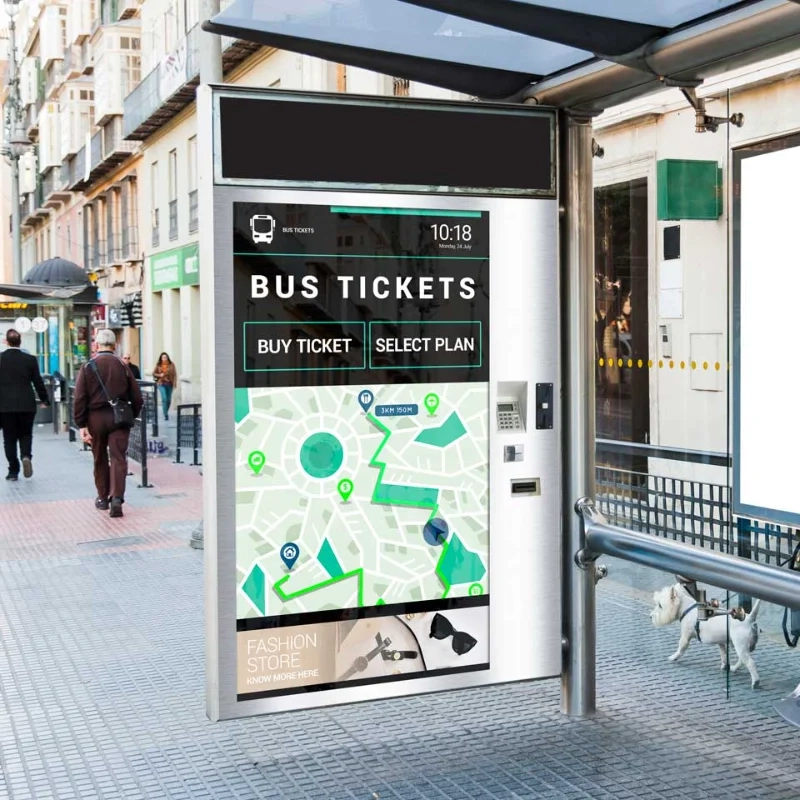
Real-world applications underscore the importance of these advancements. In 2020, the Australian Defence Force deployed high-brightness sunlight-readable LCDs in handheld tactical communication devices, significantly improving battlefield situational awareness. Each unit was tested under simulated desert conditions with continuous exposure to 80,000 lux sunlight, demonstrating no loss of readability after 200 hours of operation. Similarly, in India, the Railways Ministry adopted these screens for train information boards across 15 major stations, reporting a 75% reduction in passenger complaints about unreadable displays during peak sunlight hours. In consumer electronics, brands like Garmin and GoPro utilize similar technology in their GPS watches and action cameras, enabling reliable outdoor performance in hiking, diving, and racing contexts.
Looking ahead, emerging trends point toward hybrid displays combining OLED and LCD technologies. While OLED offers superior contrast and flexibility, its susceptibility to burn-in and lower brightness limits its applicability in direct sunlight. Hybrid solutions—such as OLED-on-LCD (OLED-LCD) stacks—are being explored to leverage the best of both worlds: OLED’s deep blacks and fast response times paired with LCD’s structural stability and high peak brightness. Early prototypes from Sony and LG Display suggest these hybrids could reach 15,000 nits while maintaining energy efficiency—a milestone that would revolutionize outdoor AR/VR headsets and autonomous vehicle HUDs.
Ultimately, the success of high-brightness sunlight-readable LCD technology hinges on a holistic design philosophy that integrates hardware optimization, software intelligence, and rigorous testing protocols. It is no longer merely about increasing brightness—it’s about delivering reliable, user-friendly, and sustainable visual interfaces in the harshest environments on Earth. As global demand for outdoor-connected devices continues to rise—with projections from Statista estimating a 12% annual growth in outdoor display shipments through 2028—the need for smarter, brighter, and tougher displays will only intensify. Companies investing in R&D in this space, such as Innolux Corporation and AU Optronics, are poised to lead the next wave of innovation, shaping how humanity interacts with digital information in open-air settings.