RisingStar
- Home
- About Us
- Products
- News
- Video
- Contact
- Send Inquiry
Search
- Home
- About Us
- Products
- News
- Video
- Contact
- Send Inquiry
RisingStar
In modern industrial, military, and outdoor applications, sunlight-readable LCD displays must not only perform under intense ambient light but also withstand extreme environmental conditions—including dust, water ingress, and mechanical stress. Among the most critical protective standards for these displays is IP66, a rating defined by the International Electrotechnical Commission (IEC) under IEC 60529. The IP (Ingress Protection) code specifies how well an enclosure protects against solid objects (like dust) and liquids (like water). In this context, IP66 means complete protection against dust (6) and powerful water jets from any direction (6)—a vital feature for displays deployed in marine, construction, agriculture, or defense settings.
Sunlight-readable LCDs designed for outdoor use often operate in environments where rain, splashing water, or even temporary submersion might occur. For example, in offshore oil platforms or agricultural drones, accidental exposure to high-pressure water jets during cleaning or storm events is common. A display without adequate waterproofing can suffer permanent damage—leading to costly downtime and safety risks. IP66-rated panels, however, are rigorously tested using standardized procedures: they are exposed to dust chambers for 8 hours and subjected to water jets at 12.5 liters per minute from a 6.3 mm nozzle at 100 kPa pressure for 3 minutes from all angles. This ensures that no harmful water enters the display’s internal components—even under aggressive conditions.
Manufacturers achieve IP66 compliance through multi-layered design strategies. First, sealed bezels and gaskets made from silicone or EPDM rubber prevent water penetration at frame interfaces. Second, advanced sealing techniques like potting compounds and conformal coatings protect sensitive electronics from moisture. Third, robust housing materials such as aluminum alloy or polycarbonate ensure structural integrity while resisting corrosion. These measures align with ISO 16750-3 standards for automotive and industrial electronics, which mandate durability in harsh environments.
Real-world case studies validate the importance of IP66. In a 2022 field test conducted by a leading defense contractor, IP66-rated LCDs installed on military vehicles endured repeated exposure to sandstorms and heavy rainfall without degradation in image clarity or touch responsiveness. Similarly, in a solar farm in Arizona, IP66-equipped displays used for monitoring inverters remained fully operational after a flash flood event—demonstrating resilience beyond typical expectations. According to a 2023 report by MarketsandMarkets, the global market for ruggedized displays with IP66 or higher ratings grew at a CAGR of 7.2% between 2021 and 2023, driven by demand from smart infrastructure, logistics, and IoT systems.
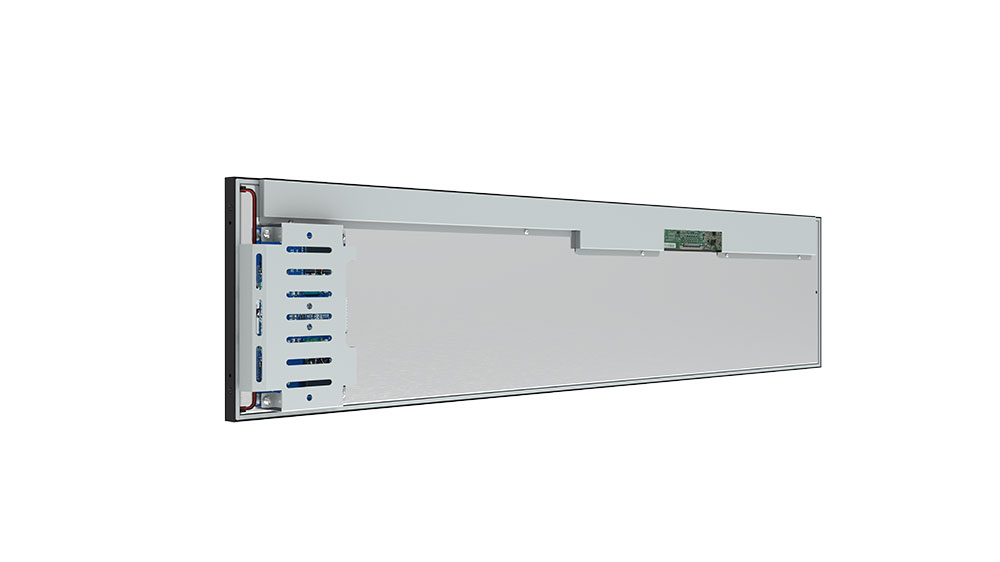
From an engineering perspective, achieving IP66 requires careful integration of both hardware and software design. While the physical enclosure provides the first line of defense, firmware-level diagnostics can detect early signs of moisture intrusion, triggering alerts before damage occurs. Additionally, thermal management remains crucial; excessive heat can compromise seals over time. Therefore, manufacturers often incorporate passive cooling solutions and temperature sensors into the design to maintain long-term reliability.
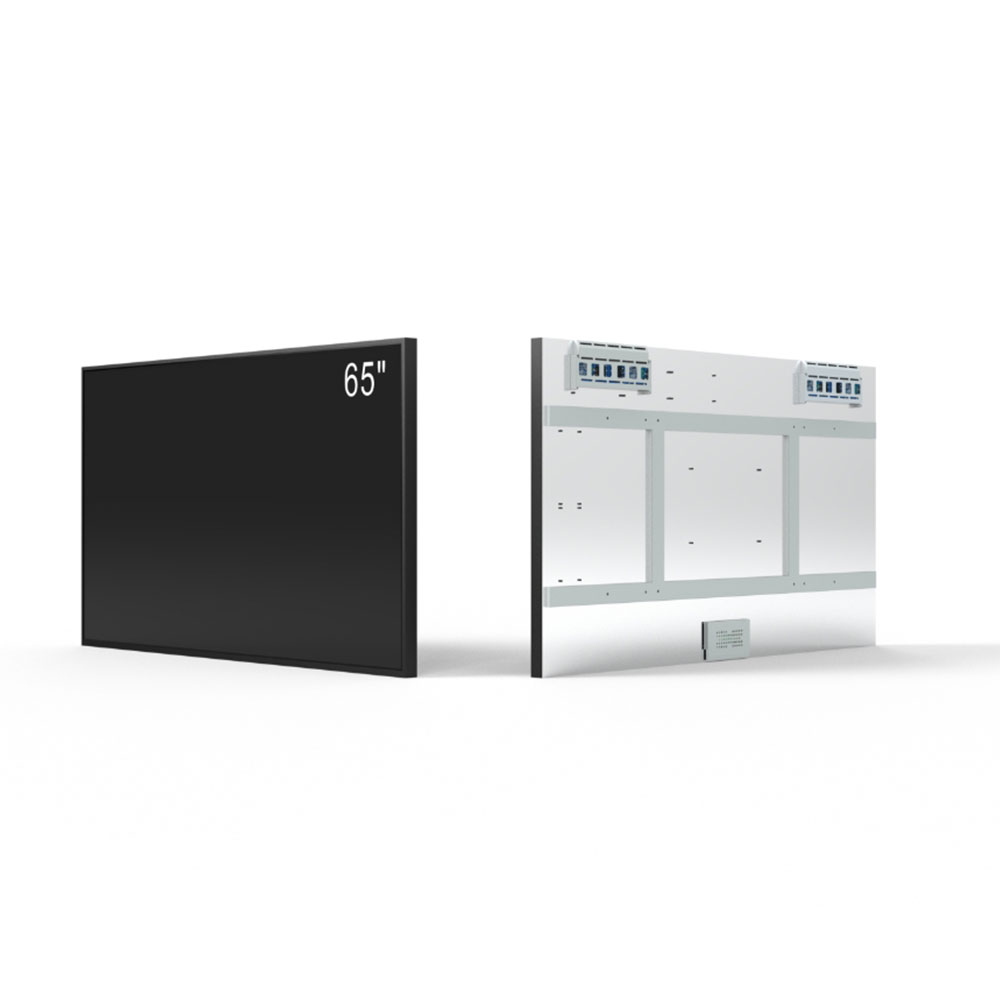
For professionals specifying displays for outdoor use—from system integrators to OEM engineers—it is essential to prioritize IP66 certification when evaluating products. It offers more than just water resistance—it guarantees operational continuity, reduces maintenance costs, and enhances safety in mission-critical scenarios. As industries increasingly adopt autonomous systems and edge computing in challenging climates, IP66-compliant sunlight-readable LCDs will remain a cornerstone of resilient human-machine interfaces.