 Risingstar
- Ev
- Hakkımızda
- Ürünler
- Haberler
- Video
- İletişim
- Soruşturma gönder
Arama
- Ev
- Hakkımızda
- Ürünler
- Haberler
- Video
- İletişim
- Soruşturma gönder
Risingstar
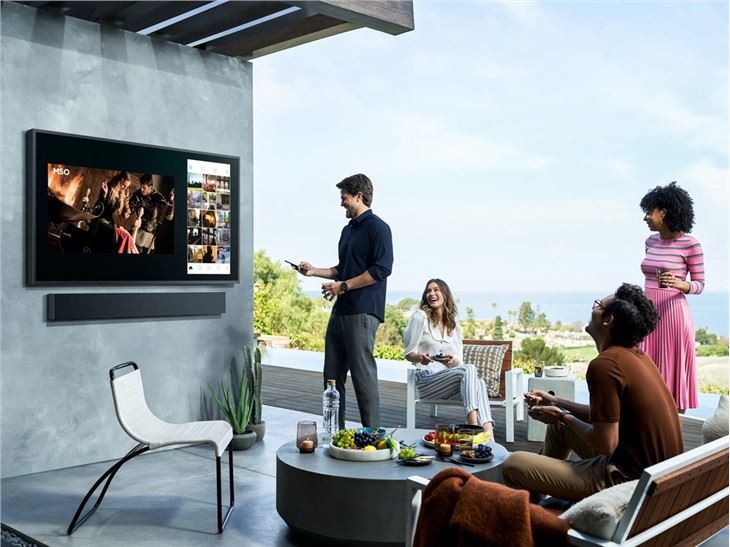
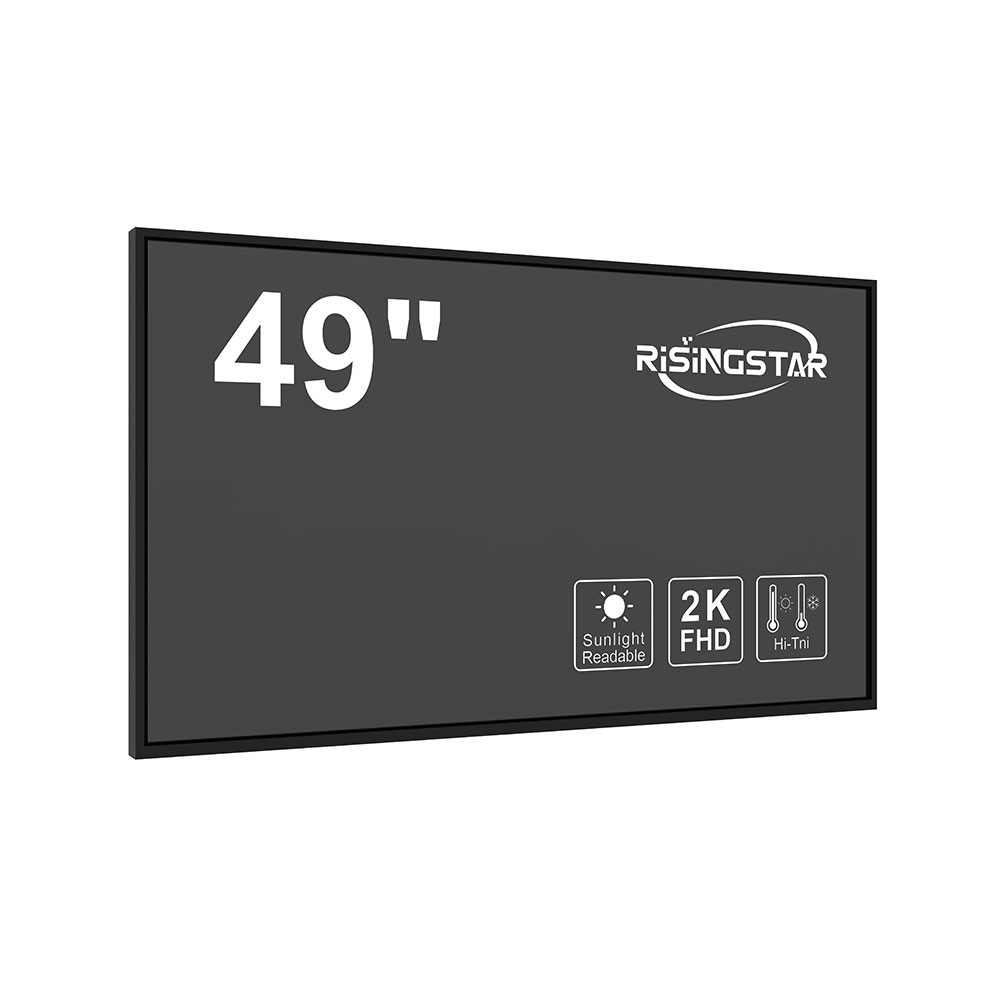
In today’s increasingly connected and mobile-driven world, the demand for high-brightness, sunlight-readable LCD displays has surged across industries such as transportation, defense, healthcare, outdoor advertising, and industrial automation. Among these, displays with a 16:9 aspect ratio—ranging from compact 10.1-inch screens to massive 110-inch panels—are uniquely positioned to meet both ergonomic design standards and functional performance needs under extreme lighting conditions.
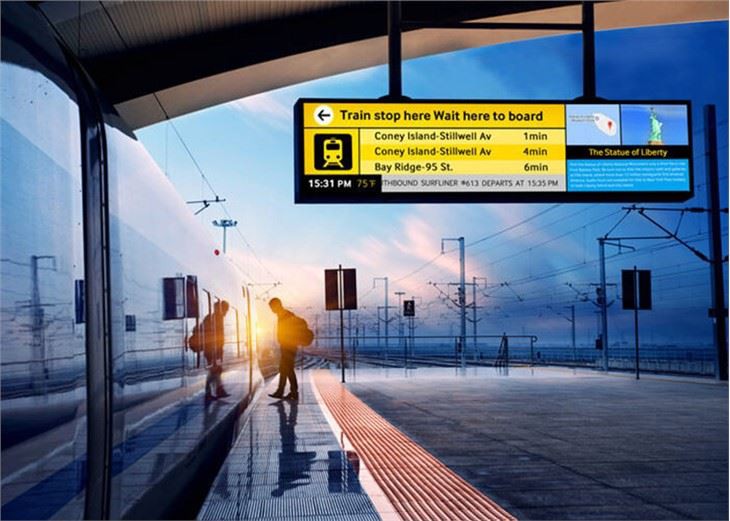
The 16:9 format, originally popularized by HDTV and now standard in modern computing and multimedia devices, offers optimal compatibility with widescreen content, including video, dashboards, and data visualization tools. This makes it ideal for applications where users must view critical information clearly even in direct sunlight or harsh ambient light. For instance, a 23.8-inch 16:9 display used in an airport kiosk must remain readable at over 5,000 nits of brightness, while a 15.6-inch unit in a military vehicle must function reliably in desert environments with solar irradiance exceeding 1,000 W/m².
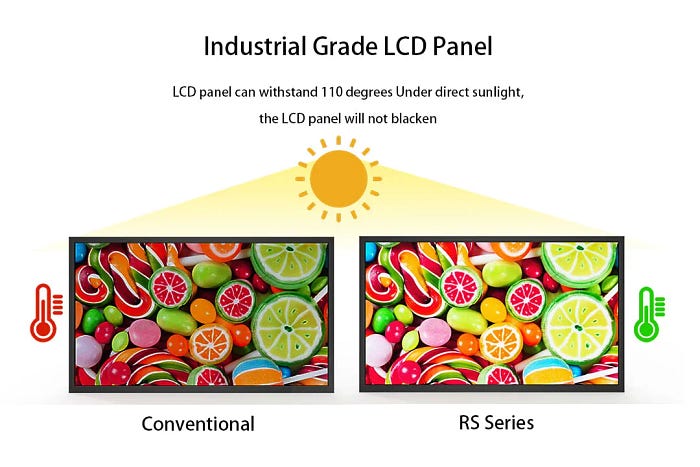
Manufacturers achieve this through advanced backlighting technologies such as LED arrays with dynamic dimming, anti-glare coatings (often 95%+ transmittance), and high-luminance IPS (In-Plane Switching) or VA (Vertical Alignment) panels. According to the Society for Information Display (SID), modern sunlight-readable displays typically exceed 5,000 nits peak brightness—a requirement that far surpasses consumer-grade monitors (usually< 400 nits). Additionally, IP65-rated enclosures and wide operating temperature ranges (-20°C to +70°C) ensure durability in rugged conditions.
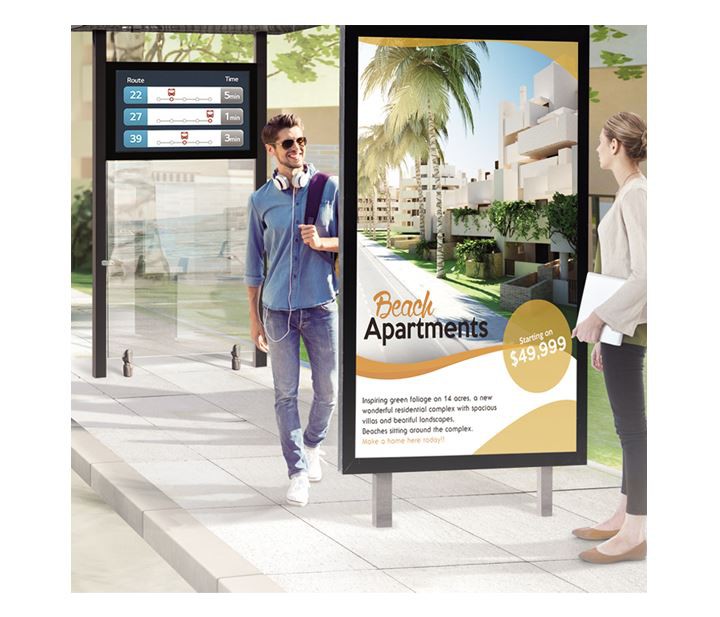
Case studies show that 16:9 displays in sizes like 13.3” (laptops), 18.5” (industrial control), and 43”–75” (digital signage) are widely adopted in smart cities, electric vehicle interfaces, and construction machinery control systems. A 2023 report by MarketsandMarkets indicates that the global market for high-brightness LCDs is projected to grow at a CAGR of 7.2% through 2028, driven by rising demand in automotive, aerospace, and public infrastructure sectors.
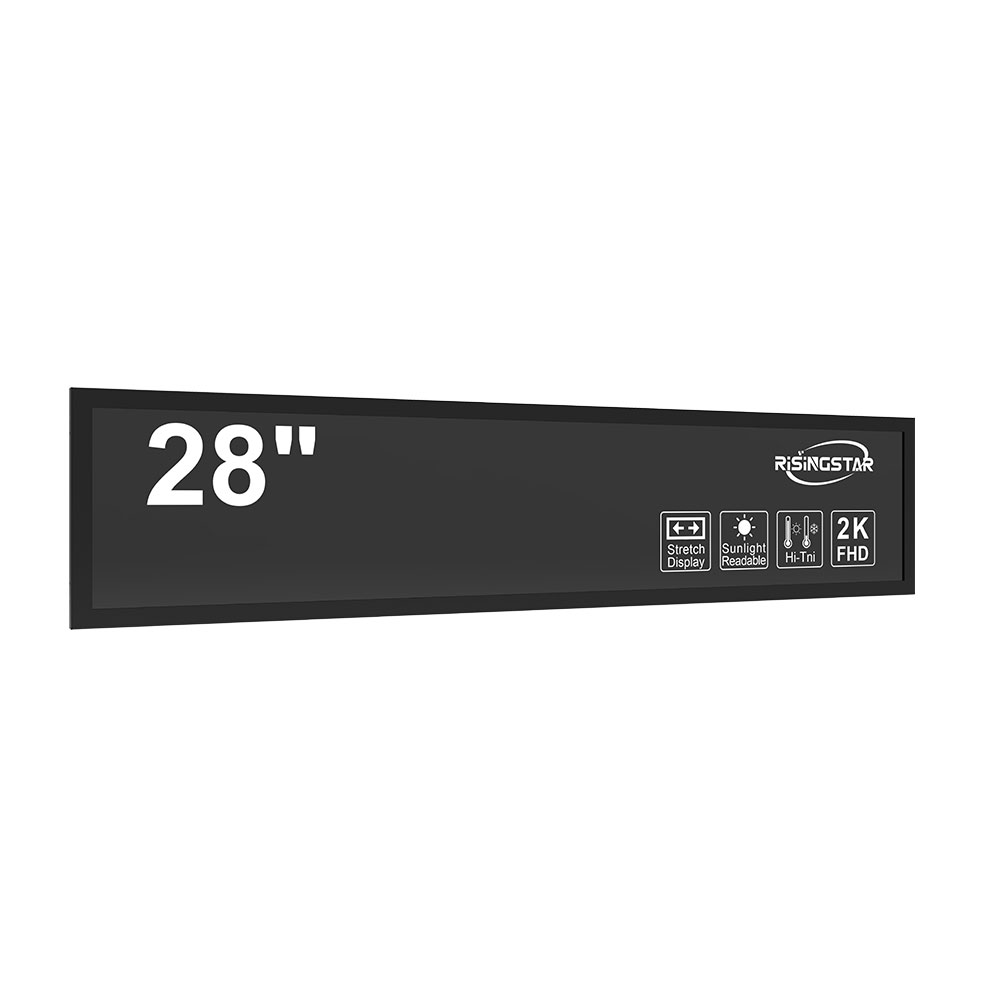
Moreover, power efficiency remains a key focus—especially in battery-powered outdoor devices. Modern 16:9 sunlight-readable displays utilize low-power backlights, adaptive brightness sensors, and intelligent sleep modes to reduce energy consumption without compromising visibility. These innovations align with global sustainability goals and extend device operational life in remote deployments.
Whether deployed in a 10.1-inch portable terminal or a 110-inch digital billboard, the combination of 16:9 aspect ratio, ultra-high brightness, and ruggedized engineering ensures consistent performance across diverse real-world scenarios. As environmental and technological demands evolve, the 16:9 format will continue to dominate as the go-to solution for reliable, readable, and future-ready outdoor displays.