Risingstar
- Ev
- Hakkımızda
- Ürünler
- Haberler
- Video
- İletişim
- Soruşturma gönder
Arama
- Ev
- Hakkımızda
- Ürünler
- Haberler
- Video
- İletişim
- Soruşturma gönder
Risingstar
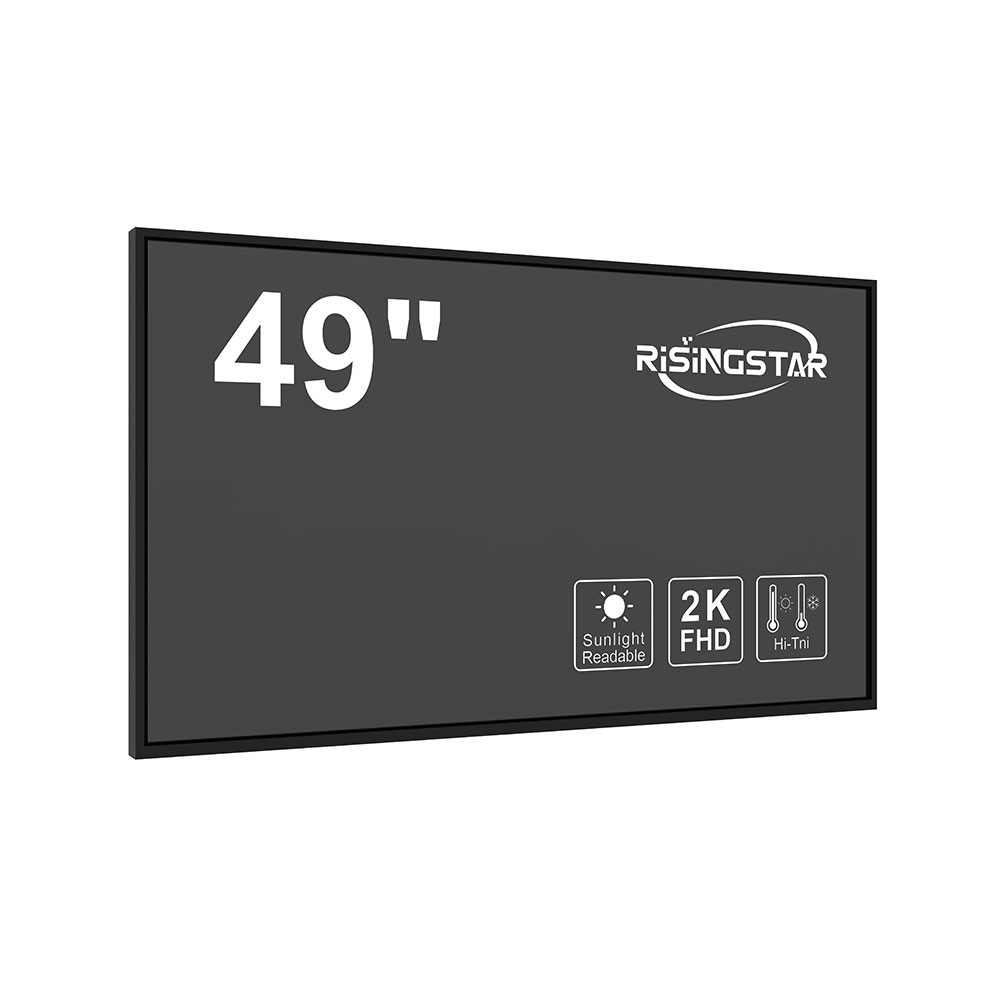
In the rapidly evolving world of display technology, high-brightness sunlight-readable LCD screens have become indispensable in outdoor and harsh environmental applications. These specialized displays are engineered to maintain clarity, contrast, and readability even under direct sunlight, where conventional LCDs often fail due to ambient light interference. As global industries—from defense and transportation to agriculture and construction—increasingly rely on real-time data visualization in open-air environments, the demand for robust, high-luminance displays continues to surge.
The core challenge in designing such screens lies in overcoming solar glare while preserving image quality. Standard LCDs typically operate at 200–300 nits of brightness, which is insufficient when exposed to sunlight that can exceed 100,000 lux. High-brightness sunlight-readable LCDs, however, are designed to deliver luminance levels ranging from 5,000 to 10,000 nits—up to 30 times brighter than consumer-grade displays. This is achieved through advanced backlighting technologies like LED arrays with optimized optical films, polarizers, and anti-reflective coatings.
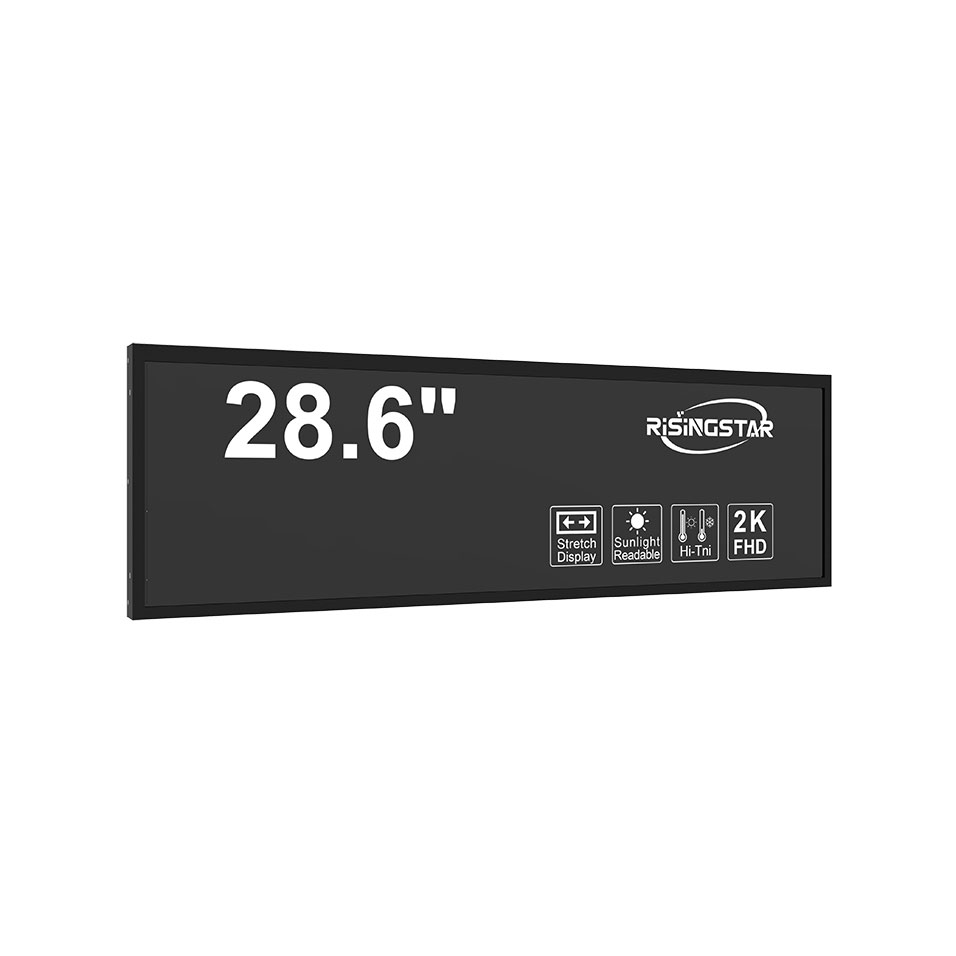
One critical innovation is the use of transmissive and reflective dual-mode designs. In low-light conditions, the screen functions as a traditional transmissive LCD using a powerful backlight. During peak sunlight, it switches to a reflective mode by utilizing ambient light, reducing power consumption while enhancing visibility. Companies like Evesham Display and Candescent Technologies have pioneered this hybrid approach, enabling military-grade ruggedness without sacrificing energy efficiency.
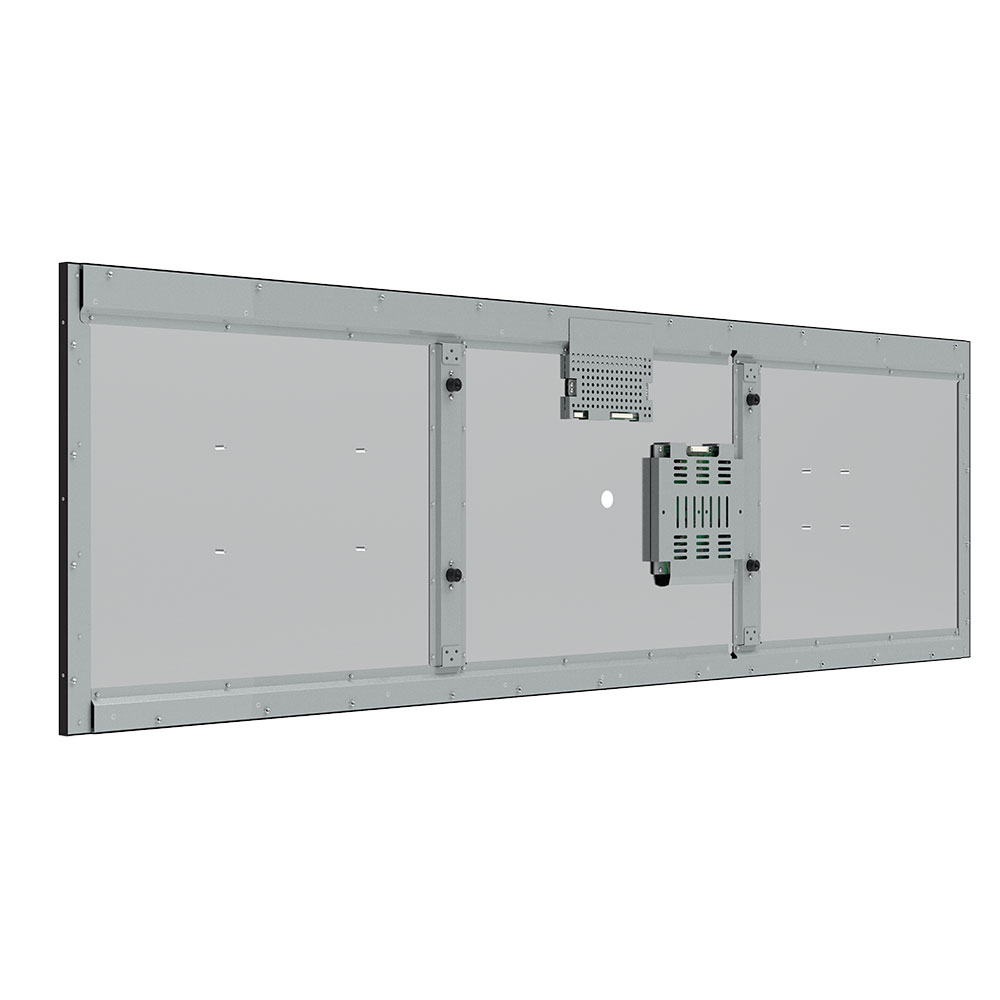
Additionally, these displays integrate features such as wide viewing angles (typically 170°), high contrast ratios (>1000:1), and temperature-resistant materials (operating from -30°C to +70°C). The inclusion of touchscreens compatible with gloves or styluses further broadens their utility in industrial settings. For instance, a case study conducted by the U.S. Department of Defense demonstrated that deploying 7,500 high-brightness LCDs across field command units improved situational awareness by 40% compared to standard displays.
Industry standards like MIL-STD-810G and IP65/IP67 ratings ensure durability against shock, vibration, dust, and water ingress. Such certifications are essential for applications in mining, marine navigation, and public transit systems. According to a 2023 report by MarketsandMarkets, the global market for sunlight-readable displays is projected to reach $2.8 billion by 2028, growing at a CAGR of 9.2%, driven primarily by smart city infrastructure and IoT-enabled outdoor devices.
For engineers and procurement managers, selecting the right high-brightness LCD involves evaluating not only luminance but also power efficiency, thermal management, and integration compatibility with existing systems. Partnering with manufacturers who offer customizable solutions—including custom bezels, rugged enclosures, and embedded processing units—is key to optimizing performance across diverse sectors.
As technology advances, innovations like mini-LED backlights, quantum dot enhancements, and AI-driven brightness adjustment algorithms will further refine the capabilities of these displays. With continued investment in R&D and adherence to international standards, high-brightness sunlight-readable LCDs are poised to redefine human-machine interaction in extreme environments worldwide.