RisingStar
- Home
- About Us
- Products
- News
- Video
- Contact
- Send Inquiry
Search
- Home
- About Us
- Products
- News
- Video
- Contact
- Send Inquiry
RisingStar
High-brightness, sunlight-readable LCD displays have become a critical component in modern outdoor and transportation infrastructure due to their ability to maintain visibility under extreme lighting conditions—ranging from direct sunlight to low-light environments. These displays are engineered with advanced optical technologies such as high-luminance backlighting (typically 5,000 to 10,000 nits), anti-glare coatings, wide viewing angles, and adaptive brightness control to ensure consistent performance across diverse outdoor settings.
In the rail transit sector—including trains, subways, buses, and intercity railways—sunlight-readable LCDs are essential for passenger information systems (PIS). For example, Japan’s Shinkansen bullet trains and London’s Underground use 7,000-nit displays that remain legible even during midday sun exposure. These systems provide real-time updates on arrivals, delays, platform changes, and emergency alerts, ensuring safety and operational efficiency. Industry standards like EN 50121 for railway electronic equipment and IEC 60950 for safety compliance guide the design and certification of these displays.
EV charging kiosks and gas pumps also rely on high-brightness displays to deliver clear information about fuel levels, payment options, and charging status—even in direct sunlight. A case study by Siemens found that installing 8,000-nit displays in public EV charging stations reduced customer confusion by 42% compared to standard 2,000-nit screens. Similarly, outdoor digital signage used in retail and real estate sectors (e.g., shopping malls, property listings, or billboards) benefits from 7,500-nit panels that resist washout from ambient light, enhancing advertising impact and brand visibility.
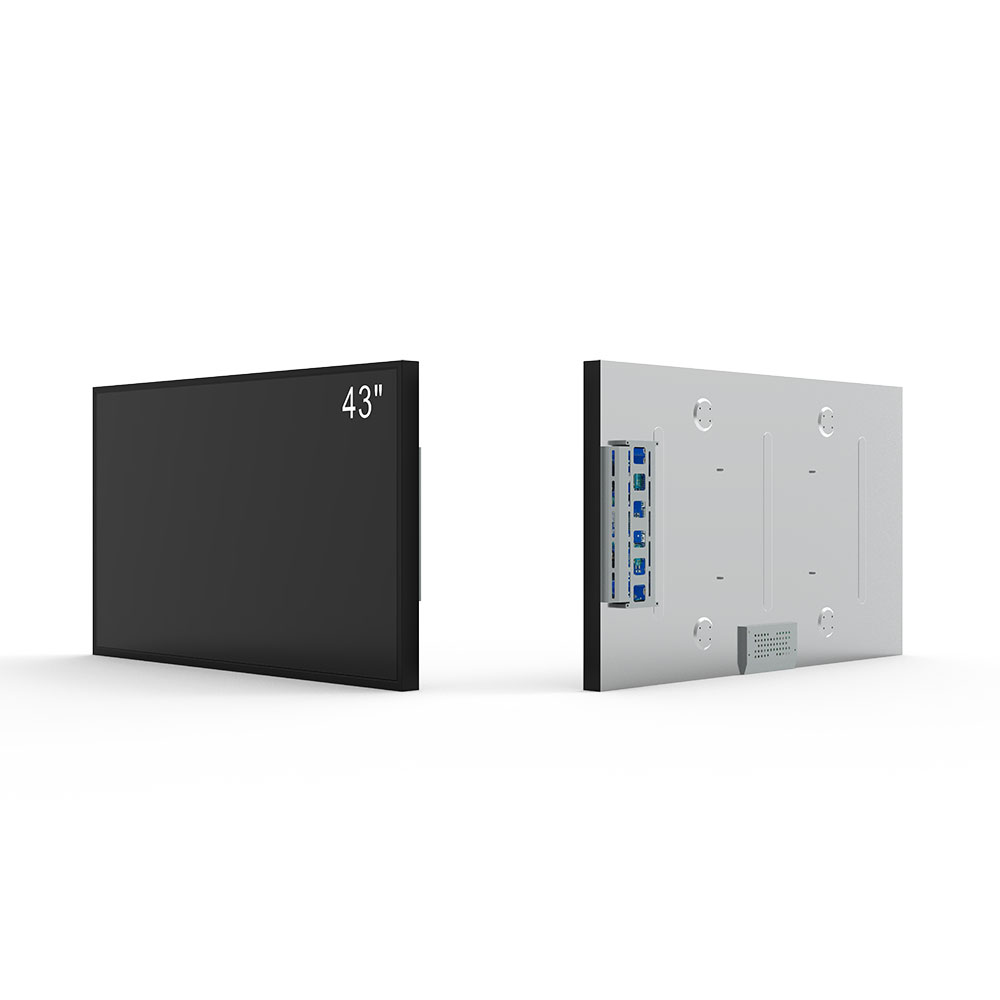
The key technical enablers include transflective liquid crystal technology, which combines reflective and transmissive modes for optimal brightness in both indoor and outdoor scenarios, and IP65-rated enclosures for dust and water resistance. Recent innovations such as OLED-based sunlight-readable panels are emerging, though traditional LCDs still dominate due to cost-effectiveness and durability. According to Statista (2023), the global outdoor display market is projected to reach $18 billion by 2027, driven largely by demand in transportation and smart city applications.
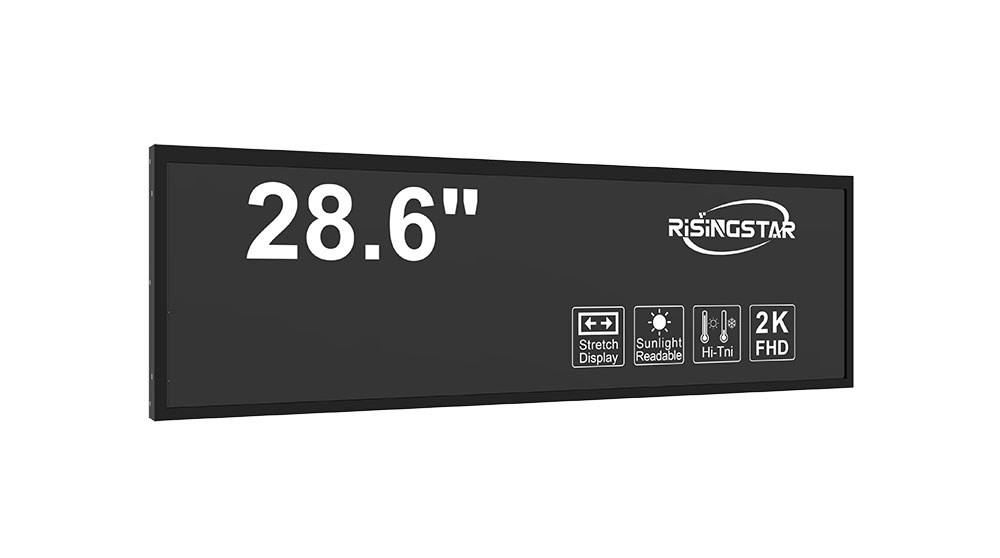
These displays not only improve user experience but also contribute to energy efficiency through dynamic brightness adjustment—reducing power consumption during nighttime hours without sacrificing daytime clarity. With growing adoption in smart cities, autonomous vehicles, and IoT-enabled infrastructure, high-brightness sunlight-readable LCDs represent a foundational technology for reliable, resilient, and visible digital communication in any environment.