RisingStar
- Home
- About Us
- Products
- News
- Video
- Contact
- Send Inquiry
Search
- Home
- About Us
- Products
- News
- Video
- Contact
- Send Inquiry
RisingStar
High-brightness sunlight-readable LCD screens are critical components in industrial automation, outdoor monitoring systems, and ruggedized equipment used across sectors such as agriculture, construction, transportation, and energy. These displays must maintain clarity, contrast, and functionality under direct sunlight—often exceeding 100,000 lux—while operating reliably in extreme temperatures, humidity, and vibration environments. For overseas equipment manufacturers and distributors, selecting the right high-brightness LCD technology ensures operational efficiency, user safety, and long-term product reliability.
The key differentiator between standard consumer-grade LCDs and industrial-grade sunlight-readable displays lies in their luminance levels, optical design, and environmental resilience. While typical consumer monitors peak at around 300–500 nits, sunlight-readable LCDs must achieve a minimum of 1,500 nits—some even exceeding 5,000 nits—to remain legible under harsh lighting conditions. This is achieved through advanced backlighting technologies such as LED arrays with distributed diffusers, high-efficiency polarizers, and anti-glare coatings. Additionally, manufacturers often incorporate dual-layer or triple-layer optical films to reduce reflection and enhance contrast ratios up to 10,000:1.
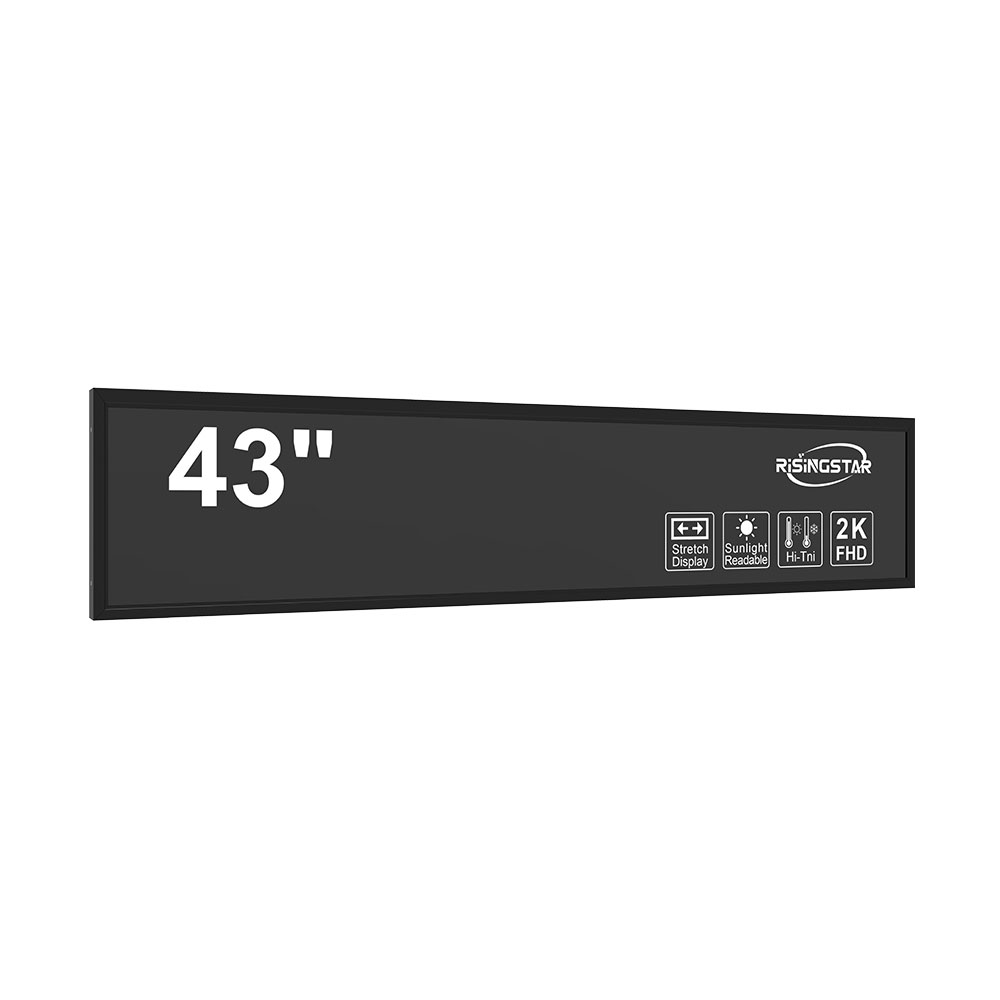
Case studies from leading industrial OEMs demonstrate the value of these features. For example, a European agricultural machinery manufacturer integrated a 3,500-nit sunlight-readable LCD into its GPS-guided tractors. The display enabled real-time field mapping even during midday sun exposure, reducing operator fatigue and improving accuracy by over 20%. Similarly, a U.S.-based logistics company deployed ruggedized tablets with 4,000-nit displays for warehouse operations in outdoor loading docks. These devices maintained visibility in both bright sunlight and low-light conditions, significantly increasing workflow efficiency.
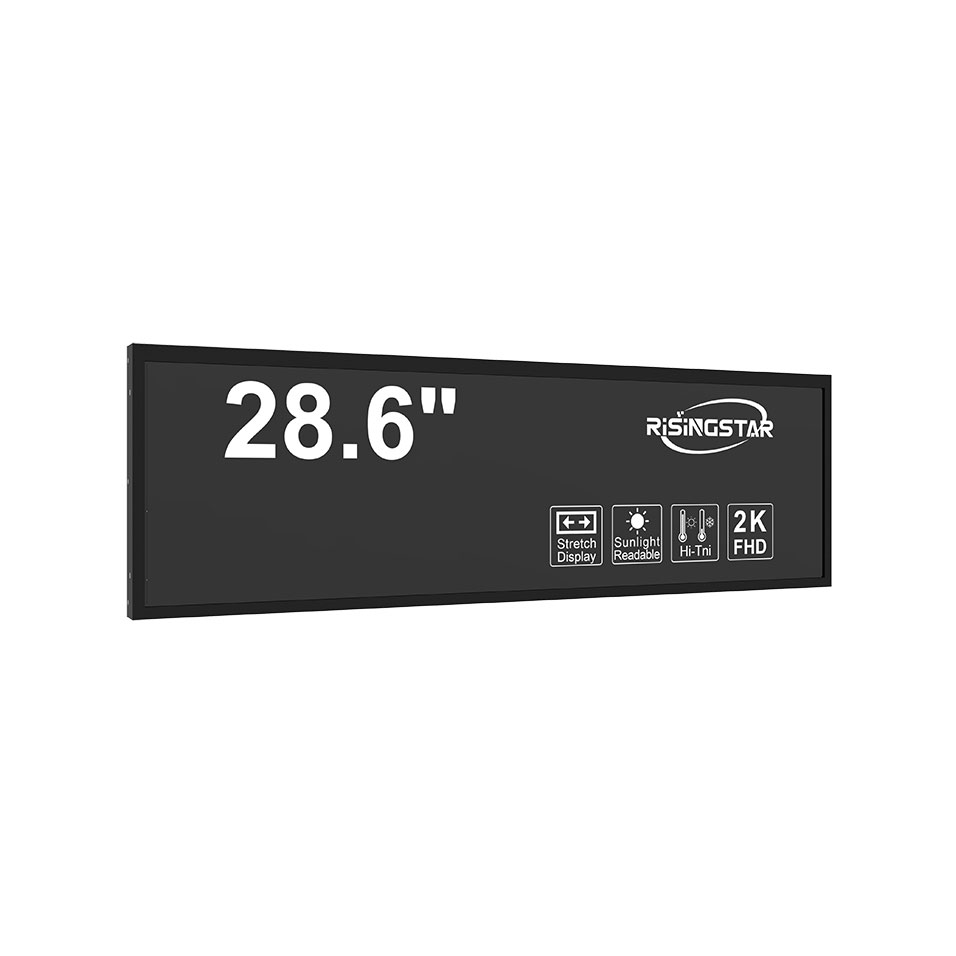
From a technical standpoint, compliance with international standards such as IEC 60068 (Environmental Testing), MIL-STD-810G (Military Standards), and IP65/IP67 (Ingress Protection) is non-negotiable for global deployment. These certifications ensure that displays withstand dust, water immersion, shock, and temperature cycling—from -30°C to +70°C. Moreover, modern high-brightness LCDs integrate power-efficient drivers and adaptive brightness sensors that dynamically adjust luminance based on ambient light levels, extending battery life in mobile applications—a crucial feature for portable equipment.
For overseas distributors, partnering with suppliers who offer full lifecycle support—including prototyping, certification assistance, and localized service centers—can accelerate time-to-market. Leading manufacturers now provide turnkey solutions with customizable interfaces, embedded software APIs, and integration with existing PLC or IoT platforms. This reduces development overhead and allows faster deployment in complex global supply chains.
In conclusion, investing in high-brightness sunlight-readable LCD technology is not merely a hardware upgrade—it’s a strategic decision that impacts user experience, operational uptime, and brand reputation. As global markets demand more durable, intuitive, and efficient industrial interfaces, the selection of robust, certified, and high-luminance displays becomes a competitive advantage for OEMs and distributors alike.