RisingStar
- Home
- About Us
- Products
- News
- Video
- Contact
- Send Inquiry
Search
- Home
- About Us
- Products
- News
- Video
- Contact
- Send Inquiry
RisingStar
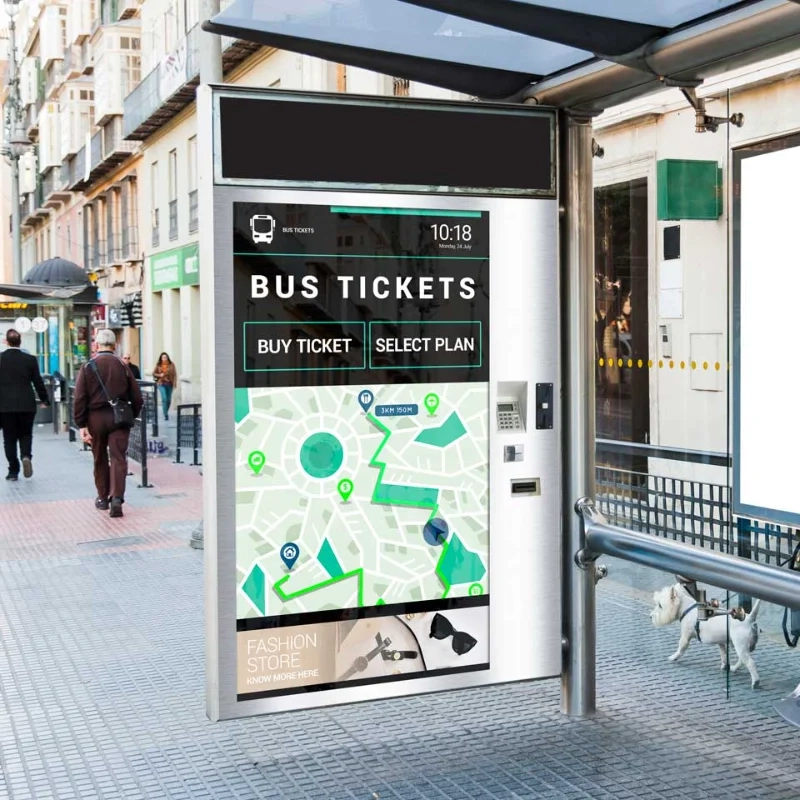
High-brightness sunlight-readable LCD screens have become a critical component in modern outdoor and industrial displays, especially where visibility under direct sunlight is non-negotiable. From military command centers to construction site control panels, from solar-powered kiosks to public transportation information systems, these displays are engineered to maintain clarity, contrast, and color accuracy even in the most demanding lighting conditions. Unlike standard LCDs that often fail to display readable content in bright daylight, high-brightness sunlight-readable displays use advanced optical engineering, specialized materials, and smart backlighting techniques to ensure optimal performance in environments with ambient light levels exceeding 100,000 lux.
The foundation of a high-brightness sunlight-readable LCD lies in its ability to overcome the fundamental limitation of conventional liquid crystal displays: poor contrast in bright environments. Standard LCDs rely on a backlight that emits light through a polarizing filter and liquid crystal layer to produce images. However, when ambient light (especially sunlight) floods the screen, it overwhelms the backlight, causing washout and reduced legibility. To address this, sunlight-readable LCDs integrate several technologies—such as transflective or reflective modes, high-luminance LED backlights, anti-glare coatings, and optimized pixel structures—to maximize readability without sacrificing power efficiency or durability.
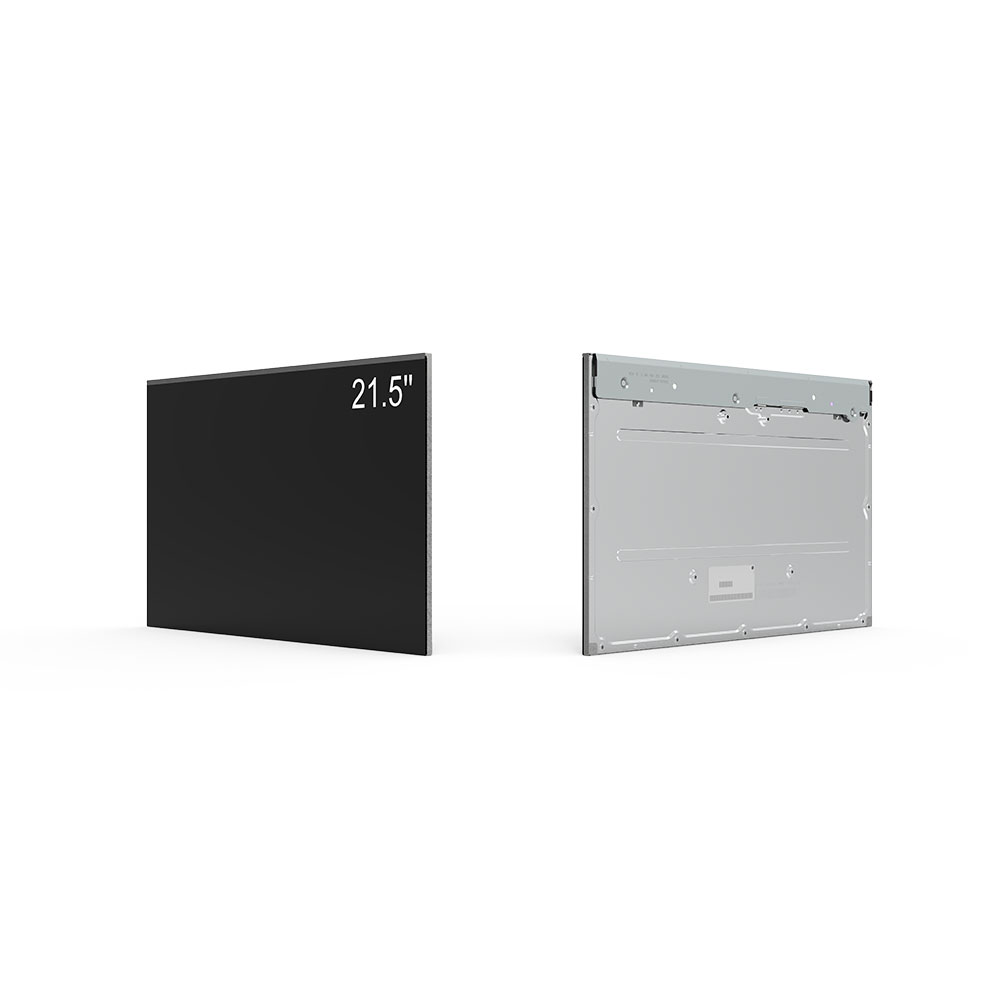
One of the key innovations in this field is the development of transflective LCD technology. Transflective displays combine both transmissive and reflective properties. In low-light environments, they function like traditional transmissive LCDs by using an internal backlight. But in bright sunlight, the display switches to reflective mode, utilizing ambient light bouncing off a reflective layer behind the pixels to enhance brightness and reduce power consumption. This dual-mode operation allows manufacturers to design displays that are energy-efficient while still delivering excellent performance in extreme outdoor conditions. For instance, the U.S. Department of Defense has adopted transflective LCDs in handheld tactical devices due to their extended battery life and consistent readability under variable lighting.
Another major advancement is the use of high-efficiency LEDs for backlighting. Modern sunlight-readable displays typically employ LEDs with luminance ratings of 5,000 to 10,000 cd/m² (candela per square meter), far surpassing the 200–500 cd/m² of typical indoor LCDs. These high-output LEDs are carefully engineered to minimize heat generation while maintaining uniform illumination across the entire screen surface. Some models incorporate local dimming features, which dynamically adjust the brightness of specific regions based on image content—a technique that improves contrast and reduces overall power draw. According to a 2023 report by MarketsandMarkets, the global demand for high-brightness LCDs is projected to grow at a CAGR of 6.8% from 2023 to 2028, driven largely by applications in automotive infotainment, industrial automation, and smart city infrastructure.
To further enhance visibility, many sunlight-readable displays also feature anti-reflection (AR) coatings and nanostructured glass surfaces. AR coatings reduce surface reflection by up to 90%, preventing glare and improving contrast ratios. In addition, some premium models apply hydrophobic and oleophobic layers to resist fingerprint smudges and water damage—critical in outdoor environments exposed to rain, dust, or frequent human contact. The integration of ruggedized casings, such as IP65 or higher ingress protection, ensures long-term reliability in harsh conditions, making these displays ideal for use in mining equipment, agricultural machinery, and marine navigation systems.
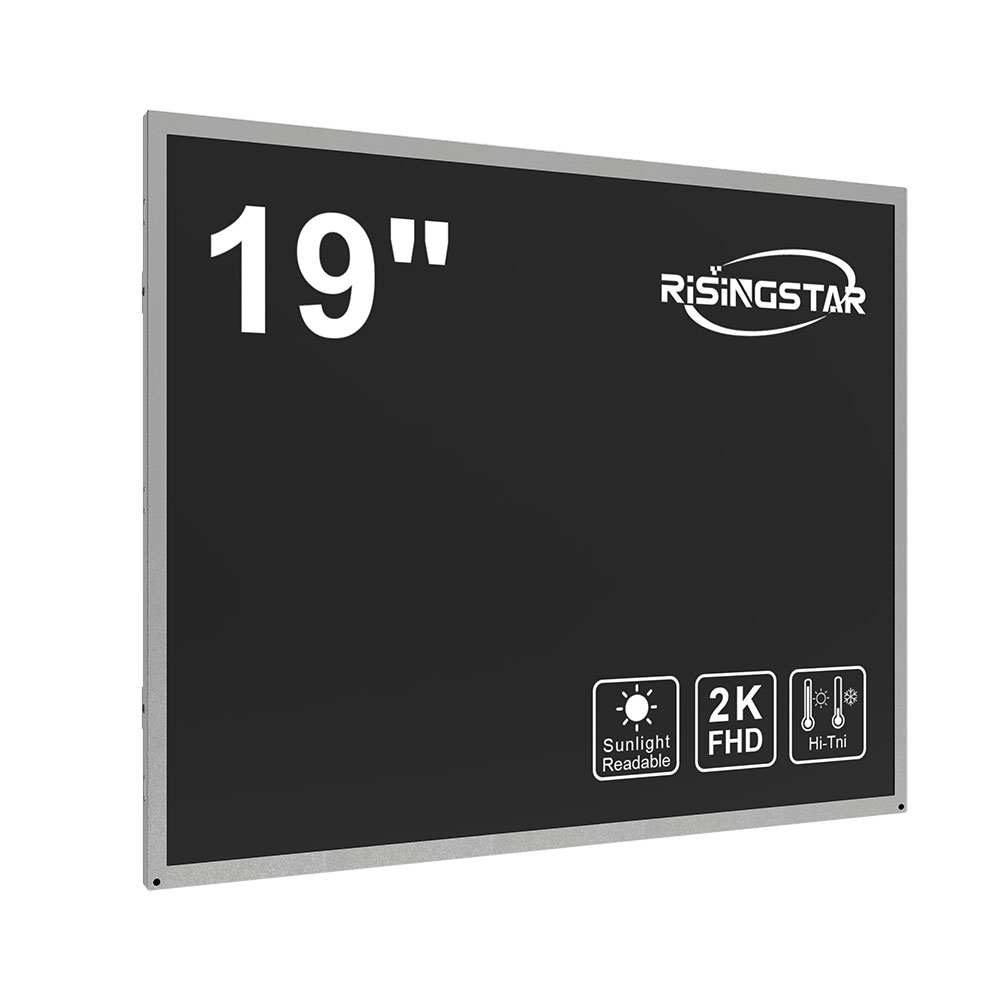
Case studies illustrate the real-world effectiveness of these technologies. For example, a leading manufacturer of solar-powered traffic signage in California replaced older LED-based signs with high-brightness sunlight-readable LCDs equipped with transflective panels and integrated solar charging modules. The result was a 40% reduction in energy consumption and a significant improvement in nighttime and daytime visibility—particularly important during peak sun hours when traditional signs became nearly unreadable. Similarly, a European railway operator installed sunlight-readable LCDs in train station platforms to display real-time arrival and departure schedules. These displays maintained full readability even during summer months when sunlight intensity reached over 80,000 lux, ensuring passenger safety and operational efficiency.
From an engineering perspective, designing a high-brightness sunlight-readable LCD requires balancing multiple variables: power consumption, thermal management, mechanical robustness, and cost-effectiveness. Engineers must consider not only the panel itself but also the driving electronics, thermal dissipation mechanisms, and environmental resilience testing protocols. ISO 16750 standards for vehicle electronics and MIL-STD-810G for military-grade durability serve as benchmarks for evaluating performance under vibration, shock, temperature extremes, and humidity. Additionally, compliance with RoHS (Restriction of Hazardous Substances) regulations ensures environmental sustainability in production and disposal.
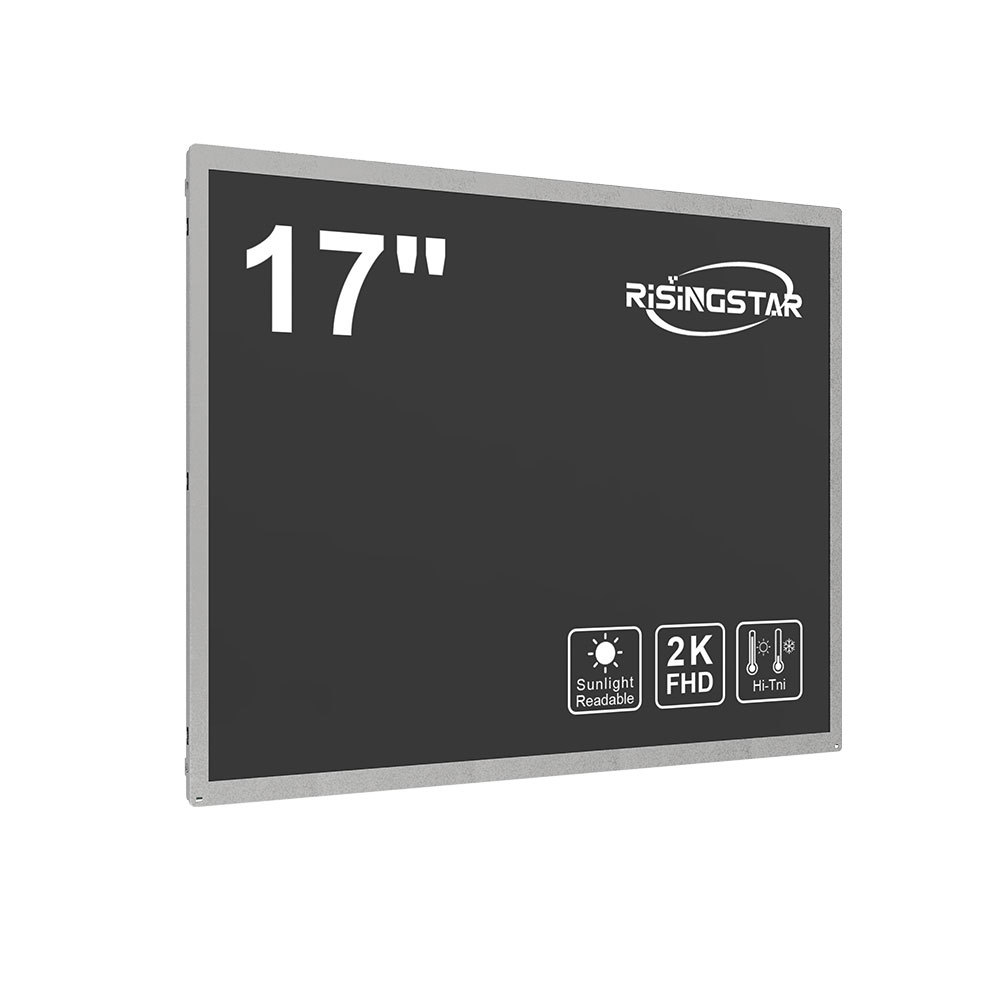
Looking ahead, emerging trends point toward greater integration of AI-driven adaptive brightness control and OLED-based alternatives. While OLEDs offer superior contrast and deeper blacks, they currently face challenges in achieving the same level of sunlight readability as advanced LCDs due to lower peak brightness and higher power consumption in bright conditions. However, ongoing research into micro-LED and quantum dot-enhanced LCDs promises breakthroughs in brightness, color gamut, and energy efficiency. Companies like Sharp, LG Display, and BOE Technology are investing heavily in next-generation display technologies aimed at expanding the capabilities of sunlight-readable screens for both consumer and industrial markets.
In conclusion, high-brightness sunlight-readable LCD screens represent a mature yet rapidly evolving segment of the display industry. Their successful deployment hinges on a deep understanding of optics, material science, and user environment. As more industries—from agriculture to aerospace—adopt digital interfaces in outdoor settings, the need for reliable, high-performance displays will continue to drive innovation. With increasing focus on energy efficiency, environmental compliance, and smart adaptability, these displays are poised to become even more integral to the future of human-machine interaction in sunlight-intensive environments.