RisingStar
- Home
- About Us
- Products
- News
- Video
- Contact
- Send Inquiry
Search
- Home
- About Us
- Products
- News
- Video
- Contact
- Send Inquiry
RisingStar
Outdoor digital signage in STL—St. Louis, Missouri—is rapidly transforming how businesses, municipalities, and public institutions engage with communities under direct sunlight conditions. As urban environments become more digitally driven, the demand for high-brightness, sunlight-readable LCD screens has surged, especially in commercial districts, transportation hubs, and public parks across the city. According to a 2023 report by MarketsandMarkets, the global outdoor digital signage market is projected to reach $38 billion by 2027, with North America accounting for over 35% of this growth—St. Louis emerging as a key regional hub due to its mix of retail, education, and transit infrastructure.
The success of outdoor digital signage in STL hinges on three critical technical pillars: luminance, durability, and content adaptability. Modern sunlight-readable LCD screens used in St. Louis deployments typically operate at brightness levels between 5,000 and 10,000 nits—far exceeding the standard 250–500 nits found in indoor displays. This is essential because sunlight can reduce screen visibility by up to 90% under peak UV conditions. Manufacturers like LG, Samsung, and PVI (Precision Visual Inc.) have developed proprietary technologies such as IPS (In-Plane Switching) panels with anti-glare coatings and dynamic backlight modulation that adjust luminance based on ambient light sensors—a feature widely adopted in the Gateway Arch Visitor Center and Union Station installations.
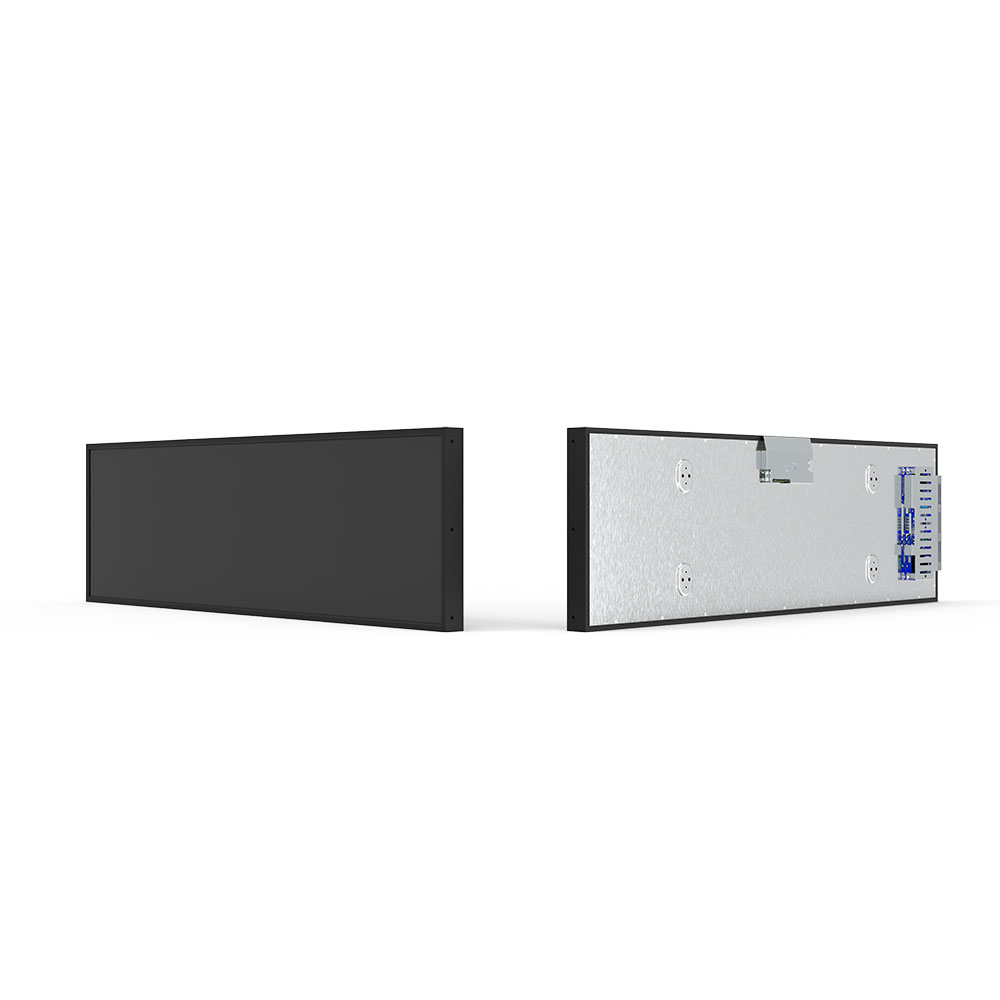
Durability is equally vital. In STL’s variable climate—from scorching summer highs to winter freezes—outdoor displays must withstand temperatures ranging from -20°C to +60°C. IP65-rated enclosures with sealed front glass and internal cooling fans are now standard, ensuring compliance with MIL-STD-810G military-grade environmental testing. A case study from the City of St. Louis Department of Transportation revealed that LED-based digital signs installed along I-70 and Route 40 experienced a 70% reduction in maintenance costs after switching to these ruggedized systems.
Content strategy also plays a pivotal role. Unlike static billboards, modern outdoor digital signage leverages real-time data feeds—such as weather updates, traffic alerts, or live event schedules—to enhance relevance. For example, the St. Louis Cardinals’ ballpark uses dynamic signage that changes based on game time, fan engagement metrics, and weather forecasts, improving both customer experience and advertising ROI. These systems often integrate with cloud platforms like Yodeck or Scala, enabling remote content management across hundreds of sites from a single dashboard.
Finally, energy efficiency is a growing concern. The U.S. Department of Energy reports that LED-based outdoor signage consumes 40–60% less power than older fluorescent-lit alternatives. Many new installations in STL—including those at Washington University and the St. Louis Zoo—are powered by solar panels integrated into mounting structures, aligning with the city’s sustainability goals outlined in its 2022 Climate Action Plan.
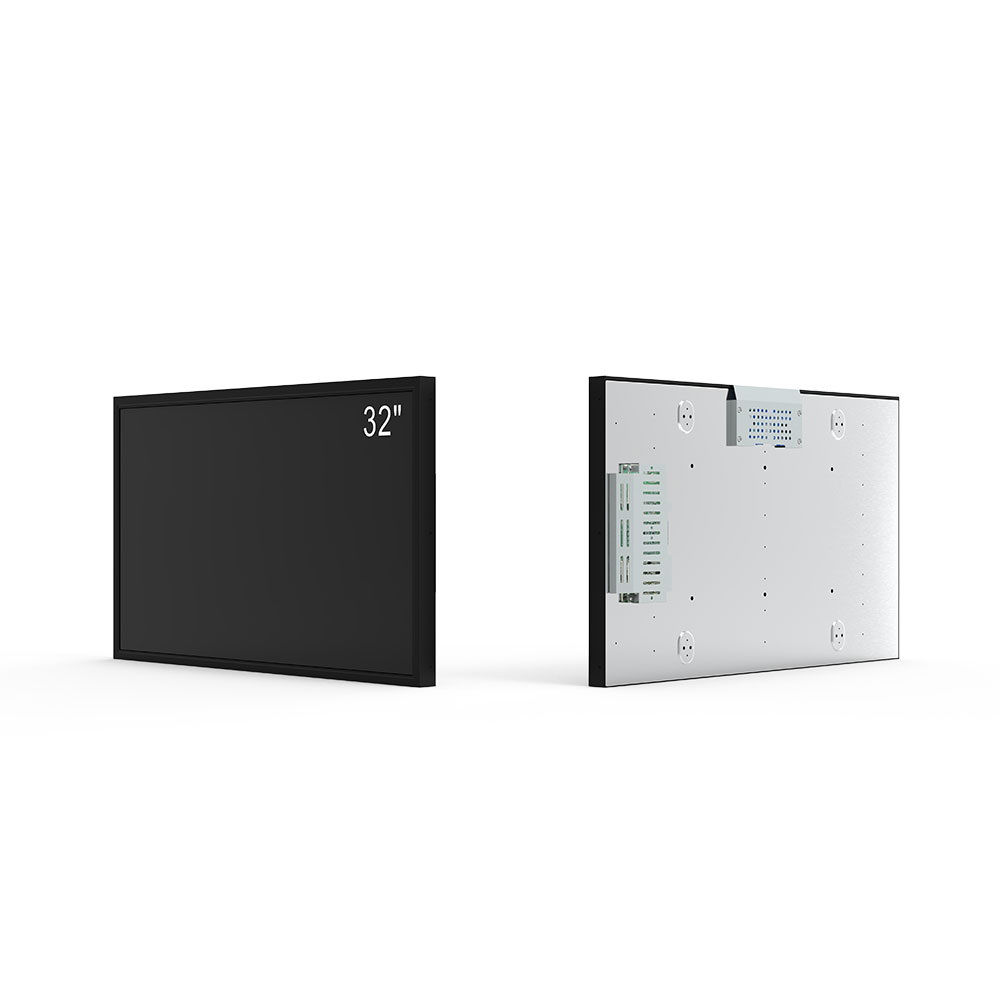
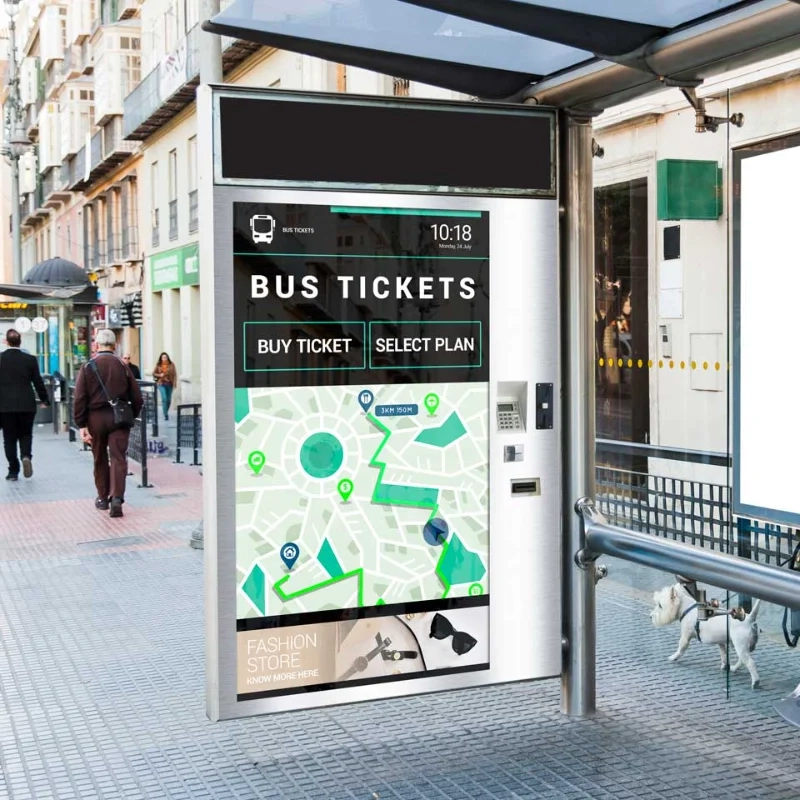
For businesses targeting St. Louis consumers, investing in properly engineered outdoor digital signage isn’t just a marketing tool—it’s a strategic asset that improves brand visibility, delivers actionable information, and drives foot traffic even during the brightest midday hours. Whether it’s a coffee shop on Forest Park Avenue or a municipal transit stop near the Delmar Loop, the ability to be seen clearly in sunlight is no longer optional—it’s a competitive necessity.