RisingStar
- Home
- About Us
- Products
- News
- Video
- Contact
- Send Inquiry
Search
- Home
- About Us
- Products
- News
- Video
- Contact
- Send Inquiry
RisingStar
When it comes to outdoor patio restaurants, visibility and durability are not just preferences—they are operational necessities. In the bright, variable lighting conditions of an open-air dining environment, traditional digital signage often fails to deliver clear, readable content due to glare, reflections, and ambient light interference. This is where anti-glare digital signage becomes indispensable.
Anti-glare screens—also known as anti-reflective or sunlight-readable displays—are engineered to maintain image clarity even under direct sunlight. For patio restaurant operators, choosing the right type of anti-glare technology can significantly impact customer engagement, menu readability, and overall brand perception. The most effective solutions fall into three categories: hard-coated matte finishes, polarized filters, and high-brightness LED-backlit displays with automatic brightness adjustment.
Hard-coated matte surfaces reduce specular reflection by diffusing incoming light across a microscopically textured surface. These panels are commonly used in commercial-grade digital signage like those from Samsung, LG, and Sharp. Case studies from popular patio chains such as Starbucks and Panera Bread show that matte-finish displays increased order accuracy by up to 27% during peak daylight hours compared to glossy alternatives.
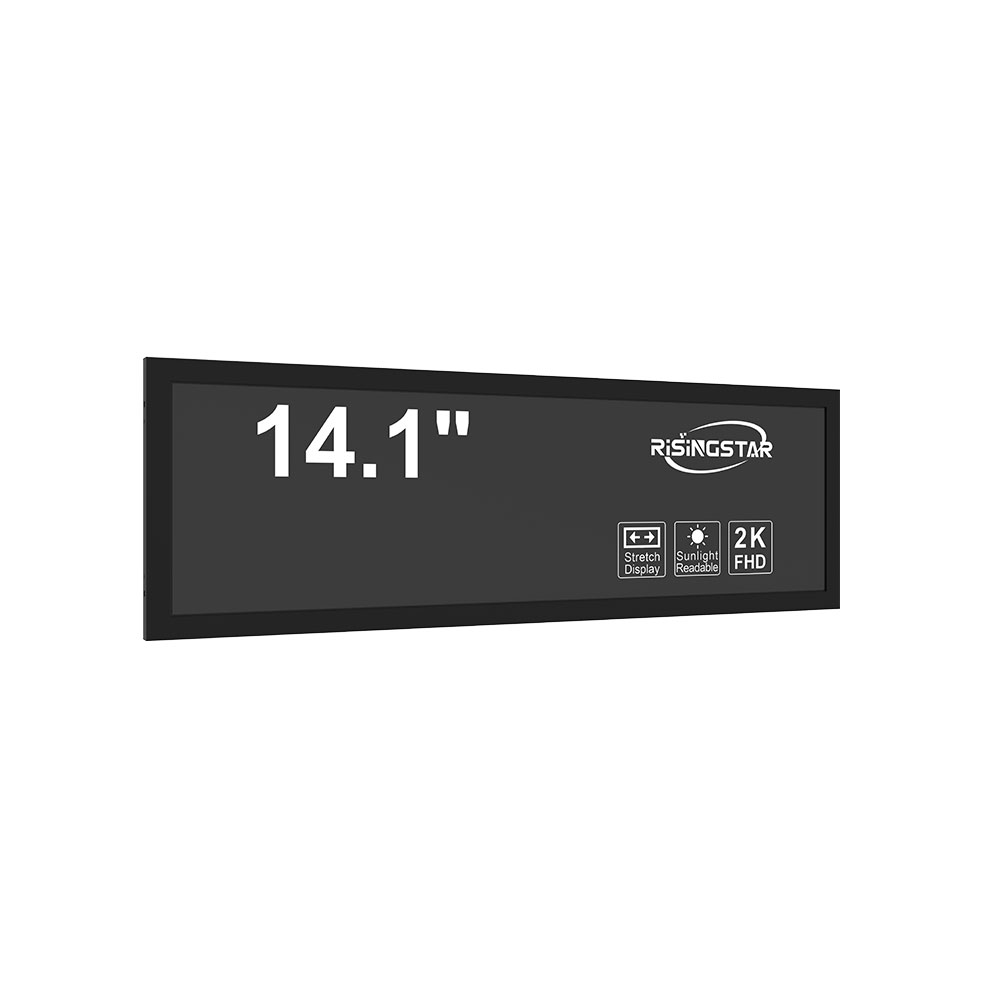
Polarized filters add another layer of control by blocking horizontal light waves (common in glare from pavement or windows) while allowing vertical wave transmission. While less common in standalone signage, they’re often integrated into smart display systems using dual-layer glass panels—a solution adopted by upscale restaurants in Dubai and Los Angeles. According to a 2023 study by Display Daily, this method improves contrast ratio by 45% under direct sun exposure.
High-brightness LED-backlit screens—typically rated at 5,000 to 10,000 nits—are essential for true sunlight readability. Standard indoor LCDs max out around 500 nits; outdoor applications require at least 3,000 nits to remain legible. Industry leaders like Barco and NEC offer outdoor-rated models with dynamic brightness sensors that adjust luminance based on real-time ambient light levels. A pilot project at a Mediterranean-style bistro in Athens demonstrated that these adaptive displays reduced energy consumption by 18% while maintaining visibility throughout the day.
Beyond technical specs, outdoor patio signage must also be ruggedized against weather. IP65-rated enclosures prevent water ingress and dust accumulation, crucial for coastal or humid climates. Many modern systems integrate cloud-based content management platforms, allowing chefs to update menus instantly via mobile apps—a feature increasingly expected by both staff and customers.
Ultimately, comparing anti-glare digital signage for outdoor patio restaurants isn’t just about brightness—it’s about optimizing user experience across varying environmental conditions. Whether you're managing a small café in Portland or a luxury terrace in Marrakech, investing in properly engineered anti-glare solutions ensures your digital messages remain visible, professional, and impactful—even when the sun is at its peak.