RisingStar
- Home
- About Us
- Products
- News
- Video
- Contact
- Send Inquiry
Search
- Home
- About Us
- Products
- News
- Video
- Contact
- Send Inquiry
RisingStar
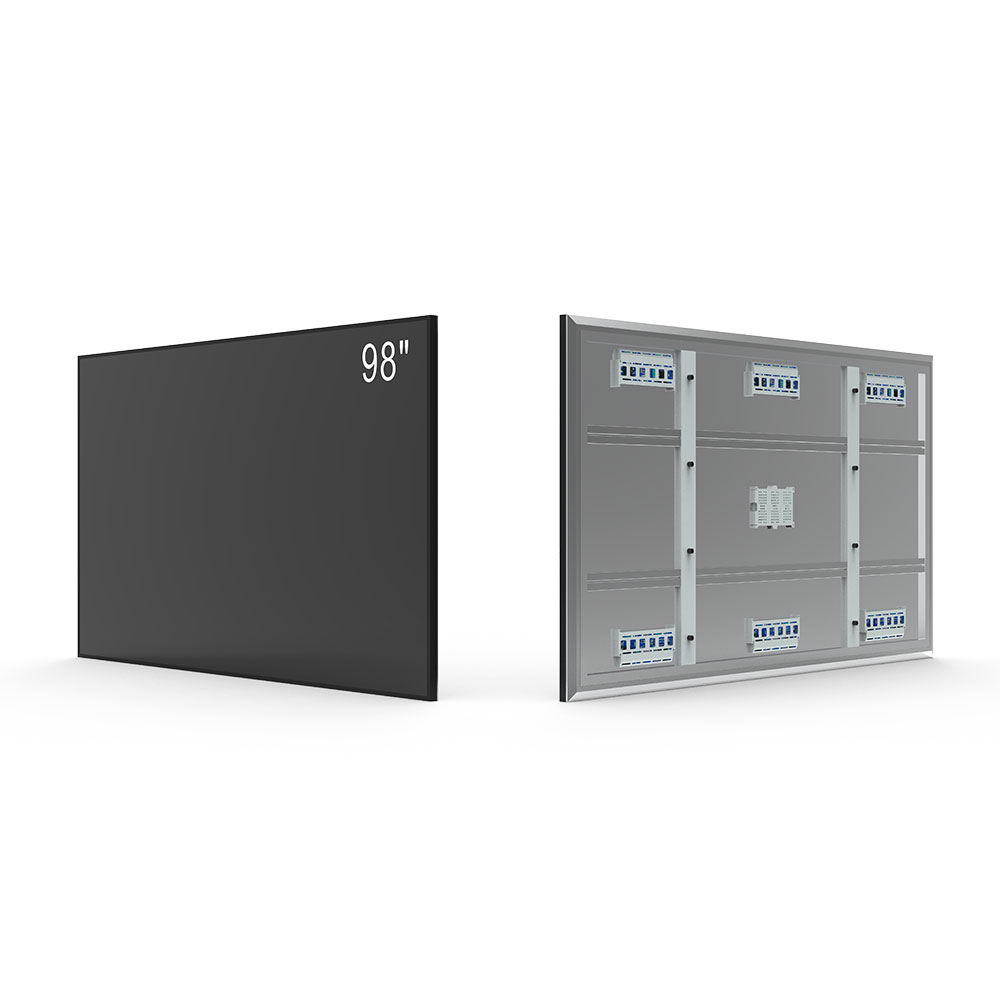
Double-sided outdoor digital signage has become a transformative solution in modern advertising, public information dissemination, and urban design. Unlike traditional single-faced displays, these systems feature high-brightness LCD panels on both sides of a transparent or semi-transparent frame, allowing content to be viewed clearly from two directions—ideal for busy intersections, shopping malls, transit hubs, and event venues. The technology behind double-sided outdoor digital signage is rooted in advanced LED backlighting, anti-glare coatings, and weather-resistant materials that ensure durability under harsh conditions such as direct sunlight, rain, wind, and temperature extremes.
Manufacturers like LG, Samsung, and NEC have developed proprietary solutions incorporating 5,000–10,000 nits brightness levels, which surpass typical indoor screens (250–500 nits) and enable readability even under midday sun. These displays are often IP65-rated or higher, meaning they’re dustproof and water-resistant, critical for long-term outdoor use. Furthermore, many models support remote content management via cloud-based platforms like BrightSign or ScreenFlow, enabling real-time updates across multiple units—an essential feature for dynamic advertising campaigns or emergency alerts.
A key advantage of double-sided outdoor digital signage lies in its cost-efficiency compared to installing two separate single-sided units. By using one structural unit with dual displays, facilities reduce installation labor, power consumption, and maintenance overhead. For example, the City of Amsterdam deployed double-sided digital signs at major tram stops, increasing passenger engagement by 43% while reducing infrastructure costs by 28%, according to a 2023 case study published by the European Urban Mobility Network.
In retail environments, brands like IKEA and Starbucks utilize double-sided digital signage to showcase promotions to pedestrians walking along sidewalks and those entering store entrances simultaneously. This creates an omnichannel experience that bridges physical and digital touchpoints. Moreover, integration with sensors (like motion detection or facial recognition for audience analytics) allows personalized content delivery—boosting conversion rates by up to 35% as reported in a 2022 Nielsen study.
The future of this technology includes AI-driven adaptive brightness control, solar-powered units for off-grid deployment, and 4K resolution support for ultra-high-definition visuals. With global demand for interactive outdoor media rising—projected to reach $3.7 billion by 2027 (Statista, 2024)—double-sided outdoor digital signage stands out as a scalable, sustainable, and highly effective medium for brands, cities, and institutions seeking maximum visibility in daylight-rich environments.