RisingStar
- Home
- About Us
- Products
- News
- Video
- Contact
- Send Inquiry
Search
- Home
- About Us
- Products
- News
- Video
- Contact
- Send Inquiry
RisingStar
TFT (Thin-Film Transistor) screens are a type of active-matrix LCD (Liquid Crystal Display) technology that has become the standard in modern display devices due to their superior image quality, fast response times, and high resolution. Unlike older passive-matrix LCDs, which suffer from slow refresh rates and poor contrast, TFT screens use individual transistors for each pixel, enabling precise control over brightness and color. This results in sharper images, better motion clarity, and improved visibility even under direct sunlight—a critical feature for outdoor applications such as military equipment, automotive dashboards, and industrial control panels.
The core structure of a TFT screen consists of a glass substrate coated with thin-film layers of materials like silicon or indium gallium zinc oxide (IGZO). These layers form the transistor array that drives each pixel independently. The liquid crystal layer between two polarized glass sheets manipulates light transmission based on electrical signals from the transistors. When voltage is applied, the crystals rotate to either block or allow light to pass through, creating visible images. Modern TFT displays often incorporate LED backlighting for enhanced brightness and energy efficiency, with some models achieving up to 5000 nits of peak luminance—making them ideal for harsh sunlight environments.
Industry adoption of TFT technology spans consumer electronics (smartphones, tablets, laptops), medical imaging systems, and automotive infotainment. For instance, Apple’s iPad Pro and Samsung Galaxy Tab S series utilize high-brightness TFT displays rated at 1000–2000 nits, ensuring readability outdoors. In the automotive sector, companies like Bosch and Continental integrate TFT screens into advanced driver assistance systems (ADAS), where clarity and responsiveness directly impact safety. According to market research by Grand View Research (2023), the global TFT-LCD market is projected to exceed $70 billion by 2027, driven by demand for ruggedized displays in defense, transportation, and IoT devices.
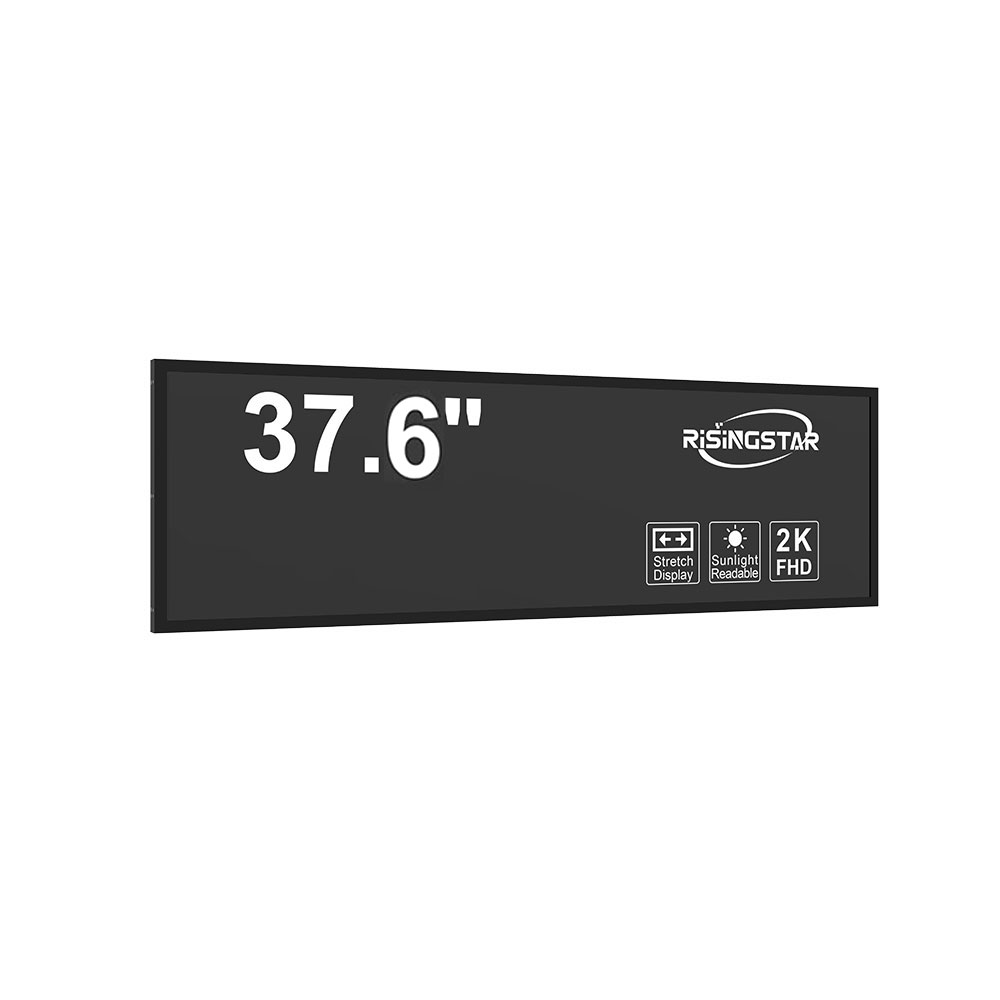
TFT screens also support various resolutions—from HD (720p) to 4K UHD—and can be manufactured in different sizes, from small embedded modules (1.5" to 4") to large-format panels used in digital signage. Their versatility makes them suitable for both portable and fixed installations. Additionally, advancements in polarization techniques and anti-reflective coatings have significantly improved glare reduction, further enhancing usability in bright conditions.
For engineers and product designers, selecting a TFT screen involves evaluating key parameters: brightness (measured in cd/m²), contrast ratio, viewing angles, power consumption, and environmental resilience (e.g., operating temperature range, IP rating for dust/water resistance). High-end TFT displays used in aerospace or military applications must comply with MIL-STD-810 standards for shock, vibration, and extreme temperatures—an important consideration when designing mission-critical hardware.
In summary, TFT screens represent a mature yet evolving technology that balances performance, cost, and reliability across diverse sectors. As innovations in OLED and microLED continue to emerge, TFT remains a dominant force in applications requiring sunlight readability, long-term stability, and low production costs—especially in industrial and outdoor settings.