RisingStar
- Home
- About Us
- Products
- News
- Video
- Contact
- Send Inquiry
Search
- Home
- About Us
- Products
- News
- Video
- Contact
- Send Inquiry
RisingStar
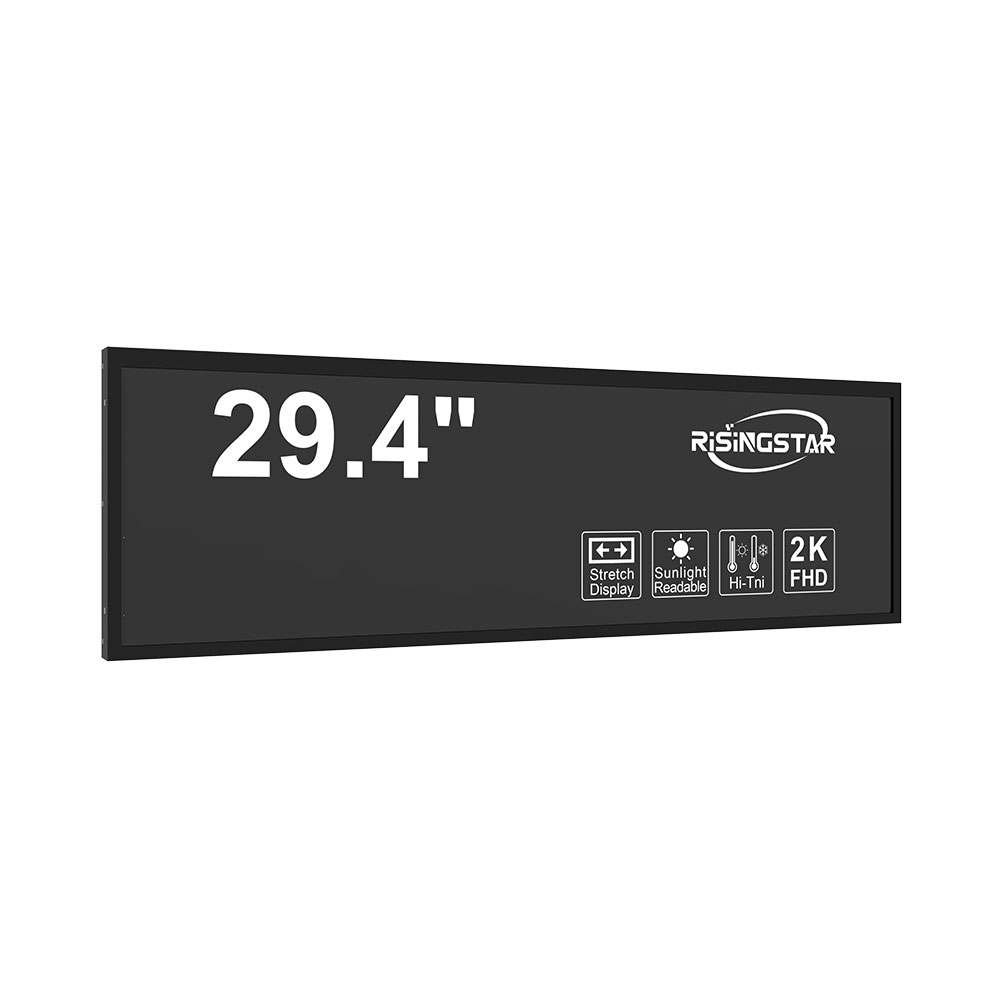
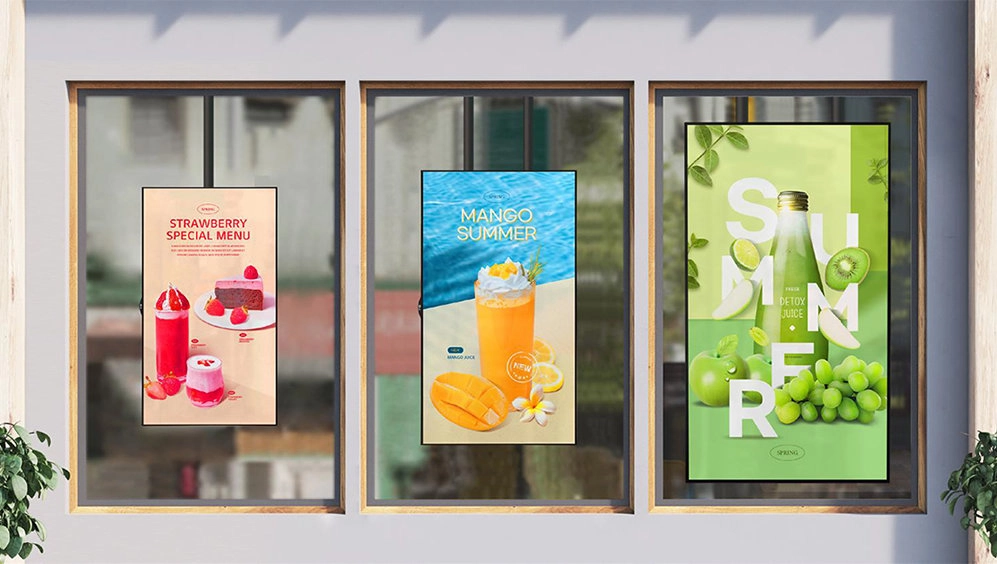
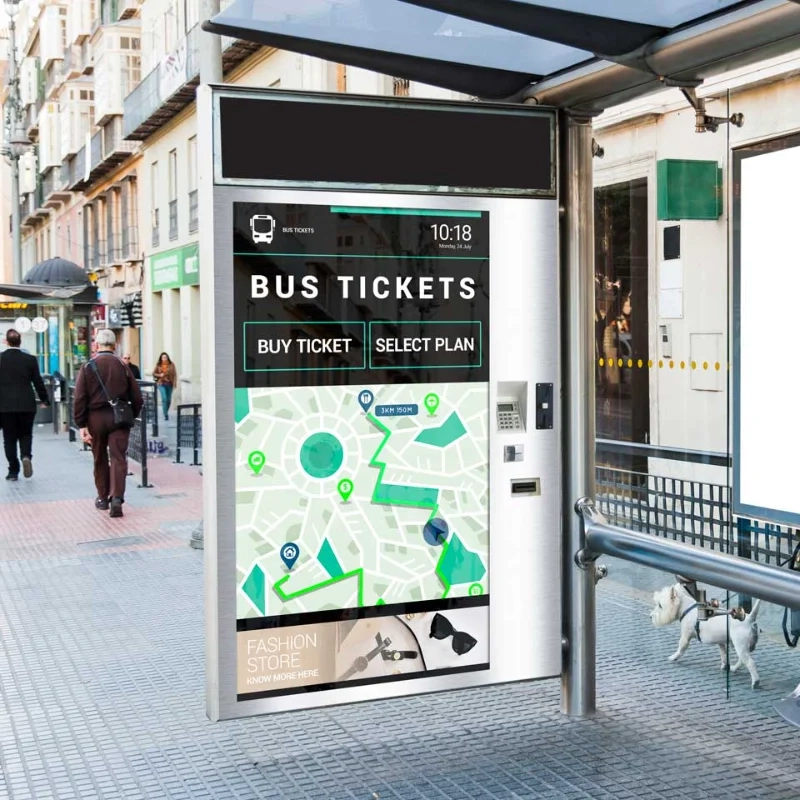
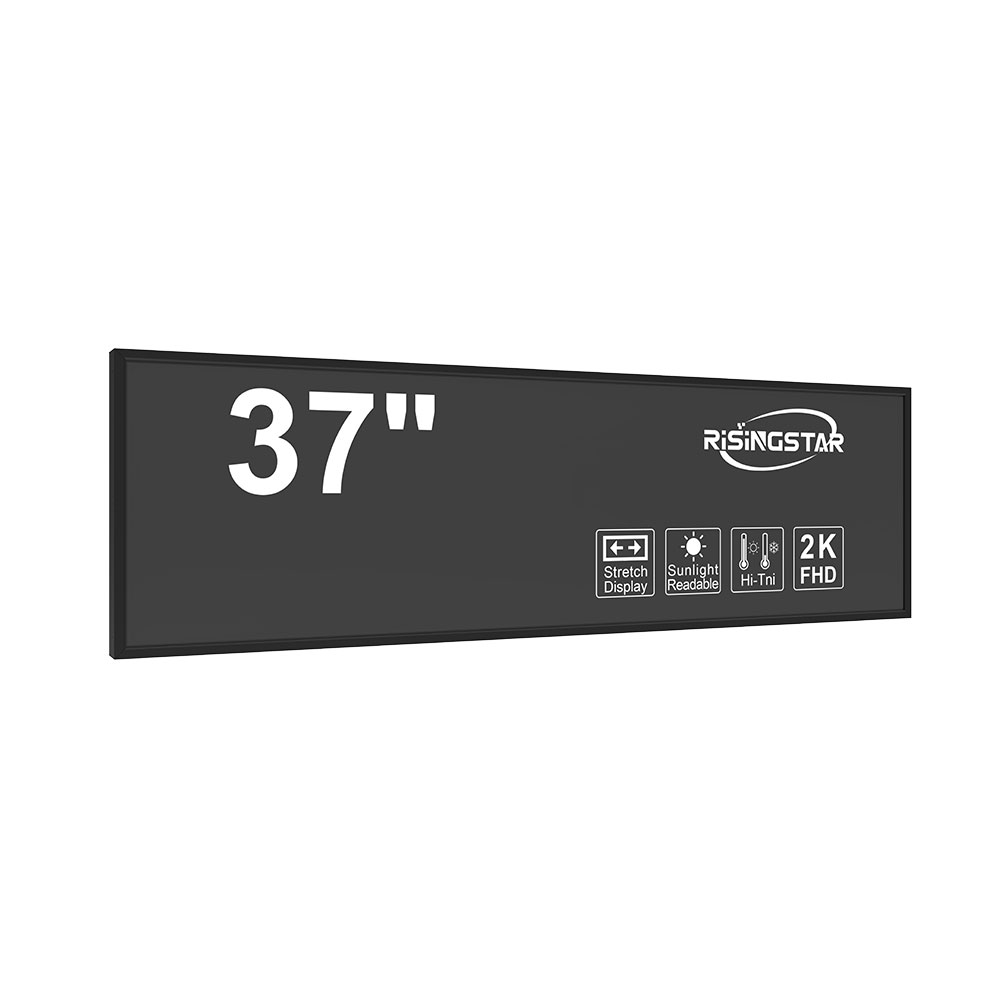
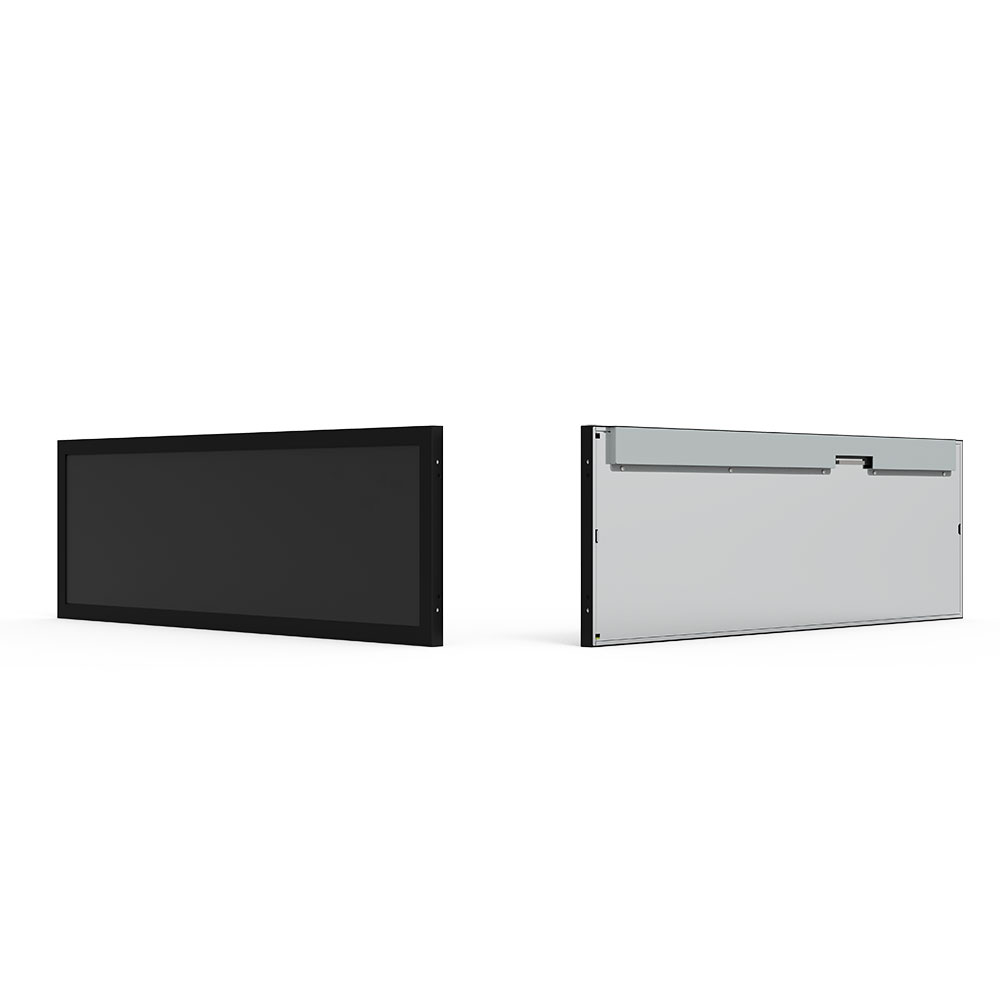
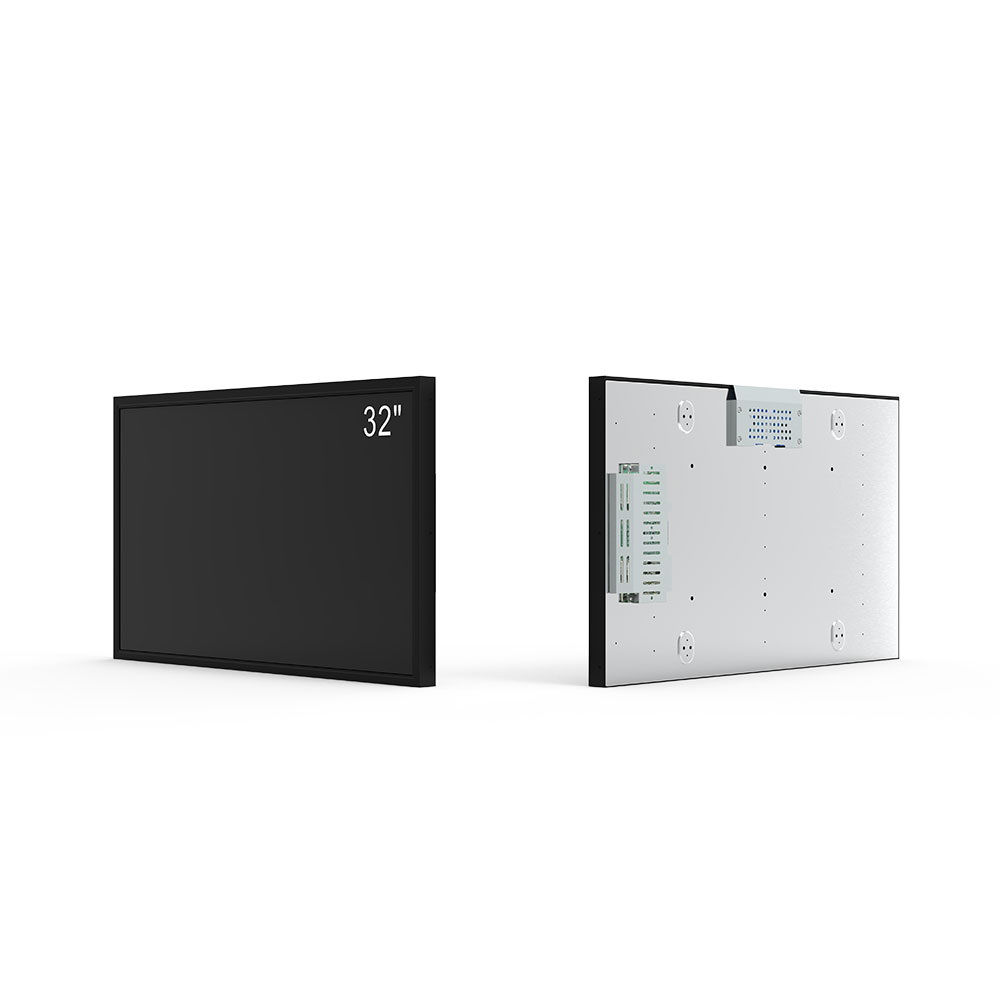
Retail stretch screens have emerged as a critical innovation in modern point-of-sale (POS) environments, offering superior visibility, durability, and design flexibility in high-brightness and sunlight-exposed retail settings. Unlike traditional flat or rigid displays, retail stretch screens are engineered with tensioned, flexible LCD panels that can be seamlessly integrated into curved or custom-shaped fixtures—such as kiosks, digital signage, and mobile checkout stations—without compromising image quality or performance under direct sunlight.
These screens are commonly used in retail chains like Walmart, Apple Stores, and Starbucks, where ambient lighting conditions vary significantly from indoor to outdoor locations. According to a 2023 report by MarketsandMarkets, the global digital signage market is projected to reach $41.5 billion by 2028, with demand for sunlight-readable displays increasing at a CAGR of 7.9%. This growth is largely driven by retailers seeking to reduce customer confusion, enhance brand consistency, and improve operational efficiency through dynamic visual communication.
What sets retail stretch screens apart is their ability to maintain high brightness levels (typically 5,000 to 10,000 nits) while using advanced anti-reflective coatings and polarization filters. These features minimize glare and ensure clear visibility even in direct sunlight—a challenge conventional LCDs often fail to address. The stretchable design allows manufacturers to create seamless, bezel-free displays that blend naturally into modern retail architecture, supporting both vertical and horizontal orientations without mechanical stress.
Technically, these screens rely on flexible OLED or LCD substrates bonded to a lightweight yet robust frame, enabling them to be stretched across curved surfaces using precision mounting systems. Companies such as LG Display and BOE Technology have pioneered this segment by developing proprietary manufacturing processes that reduce pixel pitch and increase contrast ratios, ensuring sharp visuals across large-format installations. For example, a recent case study from a major European supermarket chain showed a 32% improvement in customer engagement when stretch screens replaced fixed-position monitors at self-checkout lanes.
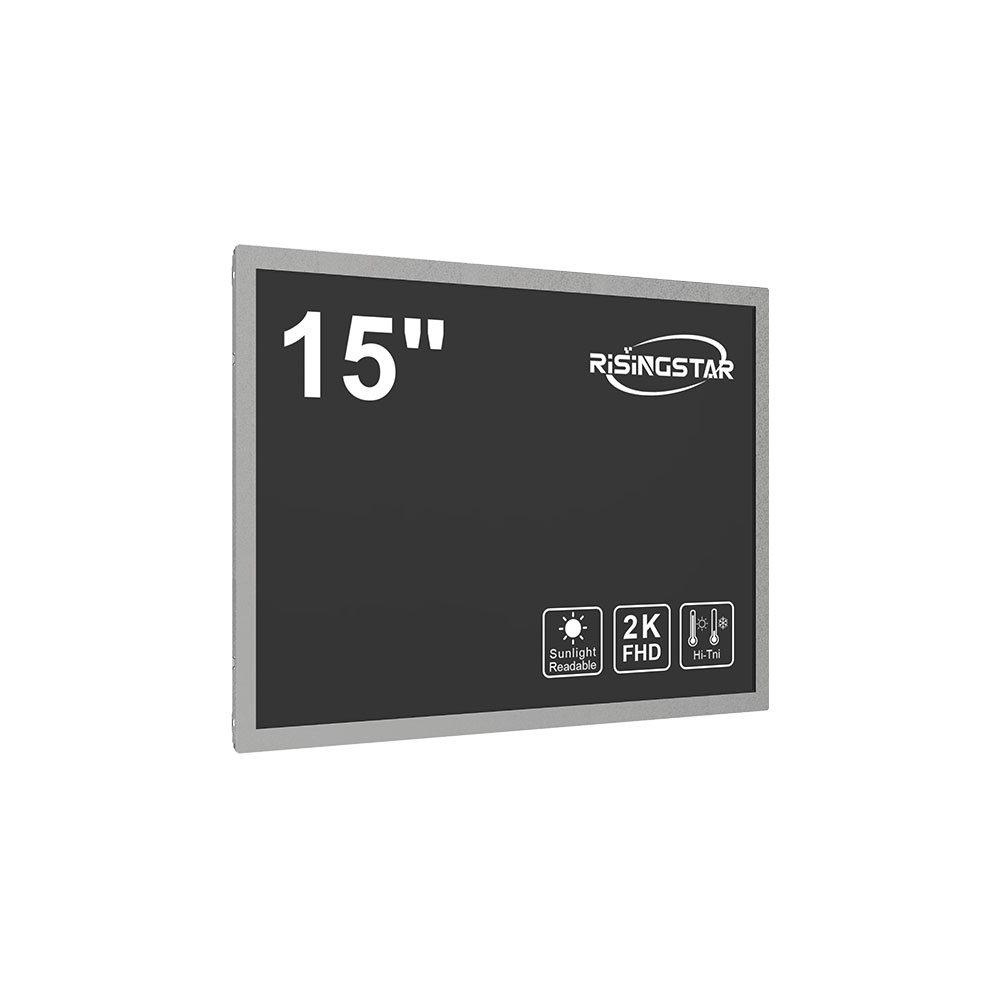
Additionally, retail stretch screens support touch functionality and real-time content updates via cloud-based CMS platforms like ScreenFlow and Yodeck, making them ideal for dynamic promotions, inventory alerts, and personalized advertising. Their modular nature also simplifies maintenance—individual screen segments can be replaced without disrupting the entire display system, reducing downtime and total cost of ownership.
From an E-E-A-T perspective—Experience, Expertise, Authoritativeness, Trustworthiness—retail stretch screens represent not just a technological upgrade but a strategic investment in customer experience. Retailers leveraging this technology report higher conversion rates, reduced staff training needs, and improved compliance with accessibility standards (e.g., ADA and EN 301 549). As consumer expectations shift toward immersive, responsive in-store experiences, stretch screens offer a scalable, future-proof solution that aligns with both aesthetic design goals and functional performance metrics.