RisingStar
- Home
- About Us
- Products
- News
- Video
- Contact
- Send Inquiry
Search
- Home
- About Us
- Products
- News
- Video
- Contact
- Send Inquiry
RisingStar
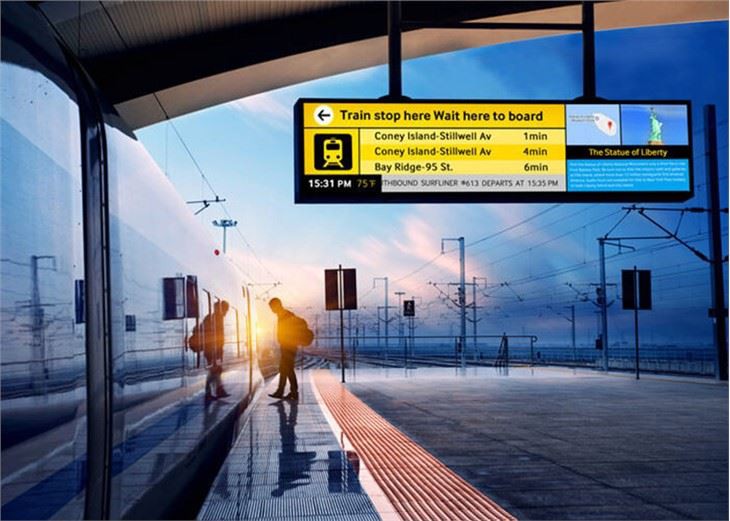
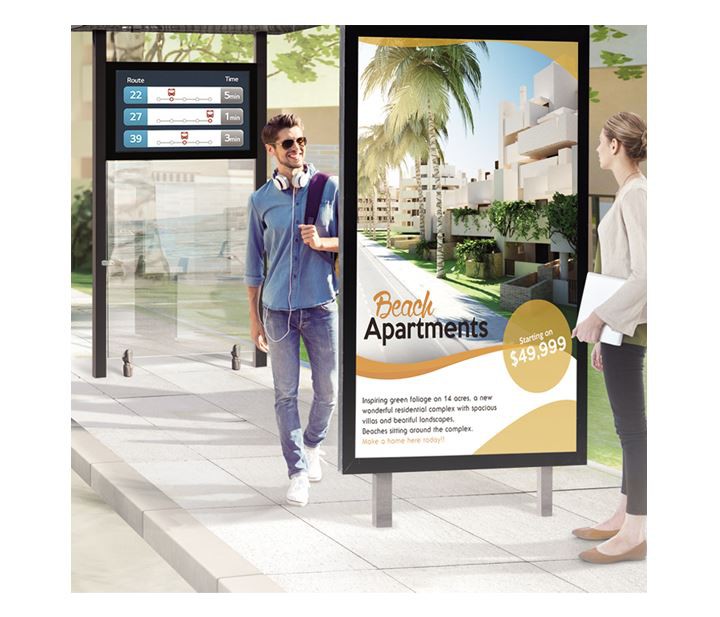
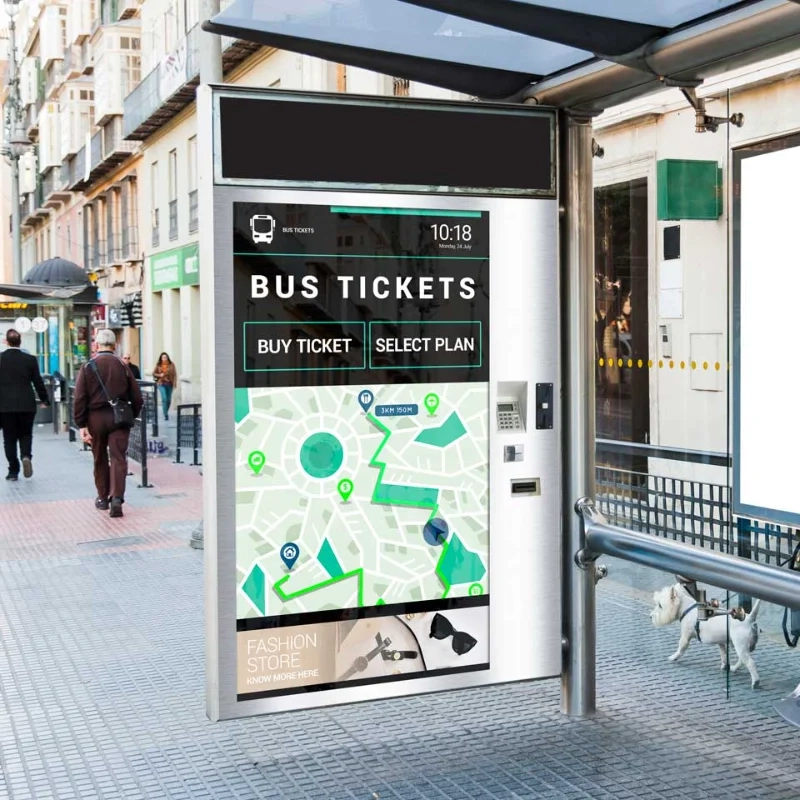
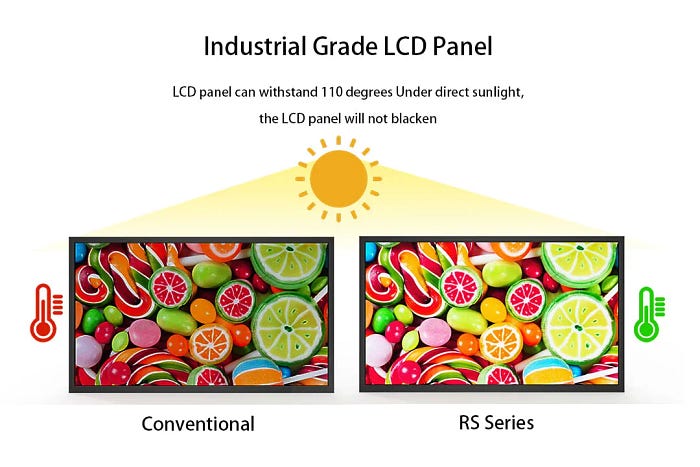
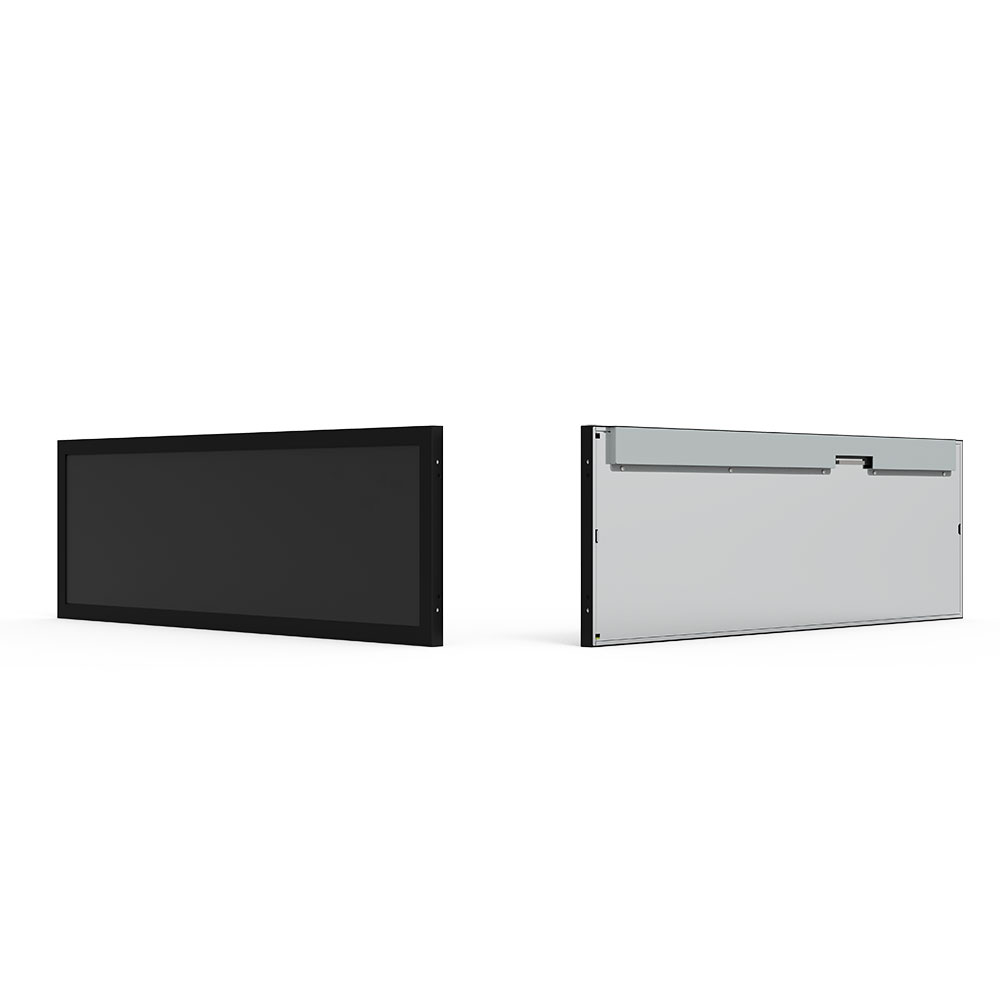
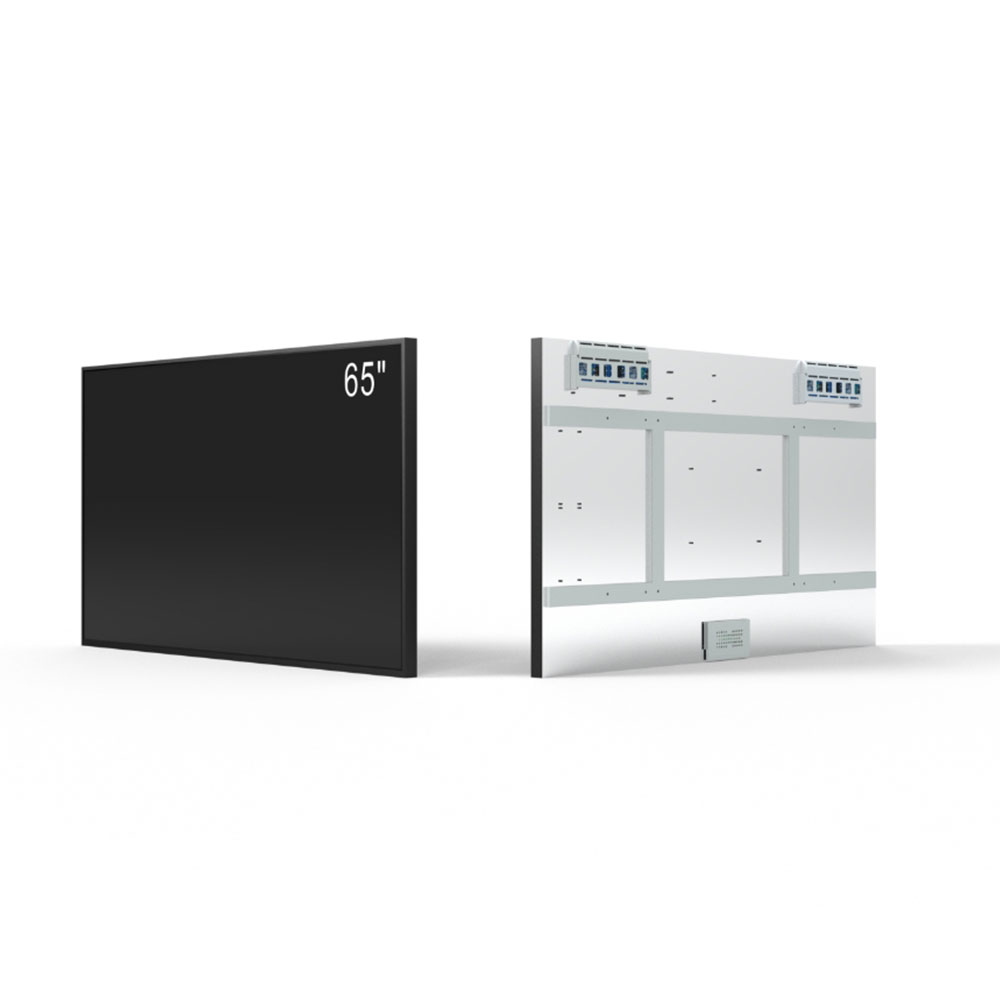
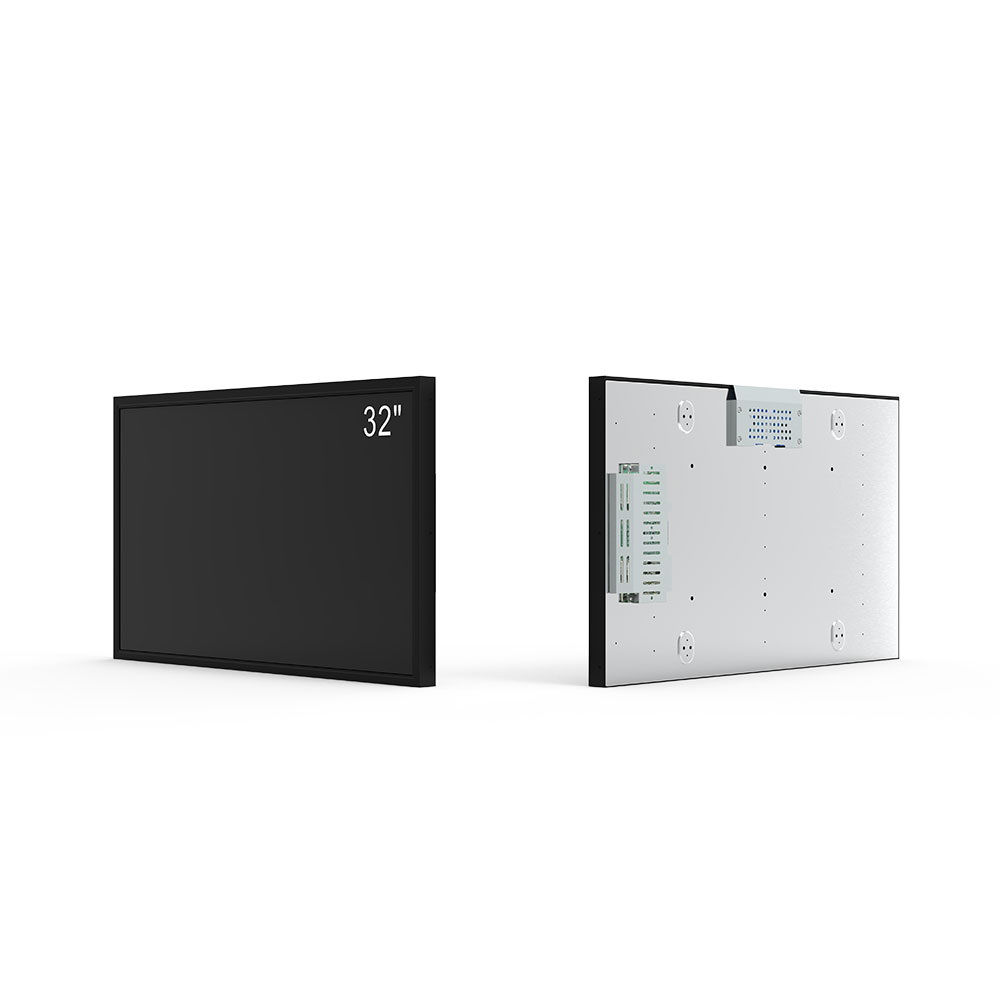
High-brightness sunlight-readable LCD screens are specialized liquid crystal displays engineered to deliver clear, legible visual output under intense direct sunlight—a critical requirement for sectors where standard displays (typically 200–500 nits) become washed out or unreadable. According to Grand View Research’s 2023 global display market report, the high-brightness display segment, including sunlight-ready LCDs, is projected to grow at a compound annual growth rate (CAGR) of 8.2% through 2030, reaching $12.7 billion, driven by surging demand in automotive, industrial, and outdoor digital signage industries. Core to their functionality is a minimum peak luminance rating of 1000 nits, with premium models exceeding 3000 nits to combat ambient sunlight interference. Key technological pillars enabling this performance include: First, high-flux backlighting: Direct-lit LED arrays, preferred over edge-lit designs for even luminance distribution and higher brightness output, use diodes from industry leaders like Cree and Nichia, which engineer high-efficiency, heat-resistant LEDs optimized for outdoor use. Second, optical enhancement layers: Anti-reflective (AR) coatings with reflectivity levels as low as 0.5% to minimize ambient light glare, advanced linear polarizers that improve contrast ratios in bright conditions, and precision light guide plates (LGPs) that redirect backlight with minimal loss to ensure uniform screen illumination. Third, robust thermal management: High-brightness LEDs generate significant heat, so designs integrate heat sinks, thermal pads, or vapor chambers to prevent luminance degradation and extend component lifespan—essential for automotive and industrial applications operating in extreme temperatures ranging from -40°C to 85°C. Compliance with global industry standards ensures consistent performance. ISO 9241-303 specifies display luminance requirements for outdoor use, mandating a minimum of 1000 nits for displays intended for direct sunlight exposure. For automotive applications, SAE J1113 sets electromagnetic compatibility (EMC) standards to avoid interference with vehicle systems, while ISO 15008 defines in-vehicle display performance criteria to ensure visibility across varying light conditions, including midday sunlight. Real-world applications and case studies highlight the technology’s impact. The automotive sector is the largest adopter, with electric and commercial vehicles integrating high-brightness LCD dashboards and infotainment systems. For example, Tesla’s Model Y central display delivers up to 1500 nits of brightness, designed to eliminate glare and reduce driver distraction in desert sunlight, addressing a key pain point with lower-brightness in-vehicle displays. Industrial field equipment, such as Siemens’ Simatic HMI (Human-Machine Interface) for manufacturing control systems, uses sunlight-readable LCDs with 1200 nits of brightness, allowing technicians to operate and monitor production lines in outdoor factory yards or remote field sites without portable shade. Outdoor digital signage relies on these displays to deliver clear advertisements in urban areas or highway billboards, where ambient light levels can exceed 100,000 lux—levels that render standard displays completely unreadable. Despite their benefits, high-brightness sunlight-readable LCDs face notable challenges: higher power consumption (a 1500-nit display uses approximately three times more power than a standard 500-nit model) and elevated manufacturing costs, which have limited adoption in low-budget portable devices. Recent advancements are mitigating these issues: microLED backlighting, which combines luminance up to 5000 nits with improved energy efficiency, reduces power draw by up to 20% compared to traditional LED arrays. Additionally, optimized passive matrix LCD technologies are being developed for low-power outdoor applications, balancing sunlight-readability with battery life for portable field devices. As global industries increasingly prioritize visibility in all lighting conditions, high-brightness sunlight-readable LCDs will remain a critical display technology, with ongoing innovations driving improvements in performance, cost, and sustainability.