Risingstar
- Ev
- Hakkımızda
- Ürünler
- Haberler
- Video
- İletişim
- Soruşturma gönder
Arama
- Ev
- Hakkımızda
- Ürünler
- Haberler
- Video
- İletişim
- Soruşturma gönder
Risingstar
In-plane switching (IPS) display technology is a type of liquid crystal display (LCD) that was developed to address the limitations of earlier twisted nematic (TN) LCDs, particularly in terms of viewing angles and color accuracy. As defined by Wikipedia, IPS was first introduced in 1996 by Hitachi and has since become one of the most widely used technologies for high-quality flat-panel displays. Unlike TN panels where liquid crystal molecules rotate perpendicularly to the glass substrate, IPS aligns the molecules parallel to the plane of the panel—hence the name "in-plane switching." This structural innovation significantly improves image consistency across wide viewing angles, making it ideal for professional applications such as graphic design, medical imaging, and digital signage.
The core principle behind IPS technology lies in how electric fields are applied to liquid crystals. In an IPS panel, electrodes are placed on the same side of the substrate (typically on the bottom layer), and the electric field is applied horizontally across the liquid crystal molecules. This horizontal alignment allows for more uniform light transmission when viewed from different angles, reducing color shift and contrast loss—a common issue with TN panels. According to industry data from DisplaySearch (now part of IHS Markit), IPS panels can achieve viewing angles exceeding 178 degrees in both horizontal and vertical directions, which makes them far superior to standard TN displays (~120–140°).
One of the major advantages of IPS technology is its superior color reproduction. Because each pixel has two or more transistors per subpixel, IPS displays offer higher color accuracy, better saturation, and wider color gamuts—often covering up to 99% of the sRGB spectrum and even reaching Adobe RGB coverage in premium models. This precision has made IPS the go-to choice for professional monitors, including those used in film production, architectural visualization, and photo editing. For example, Apple’s Pro Display XDR, released in 2019, utilizes an IPS panel with 10-bit color depth and P3 wide color gamut support, demonstrating how advanced IPS has evolved beyond consumer-grade use.
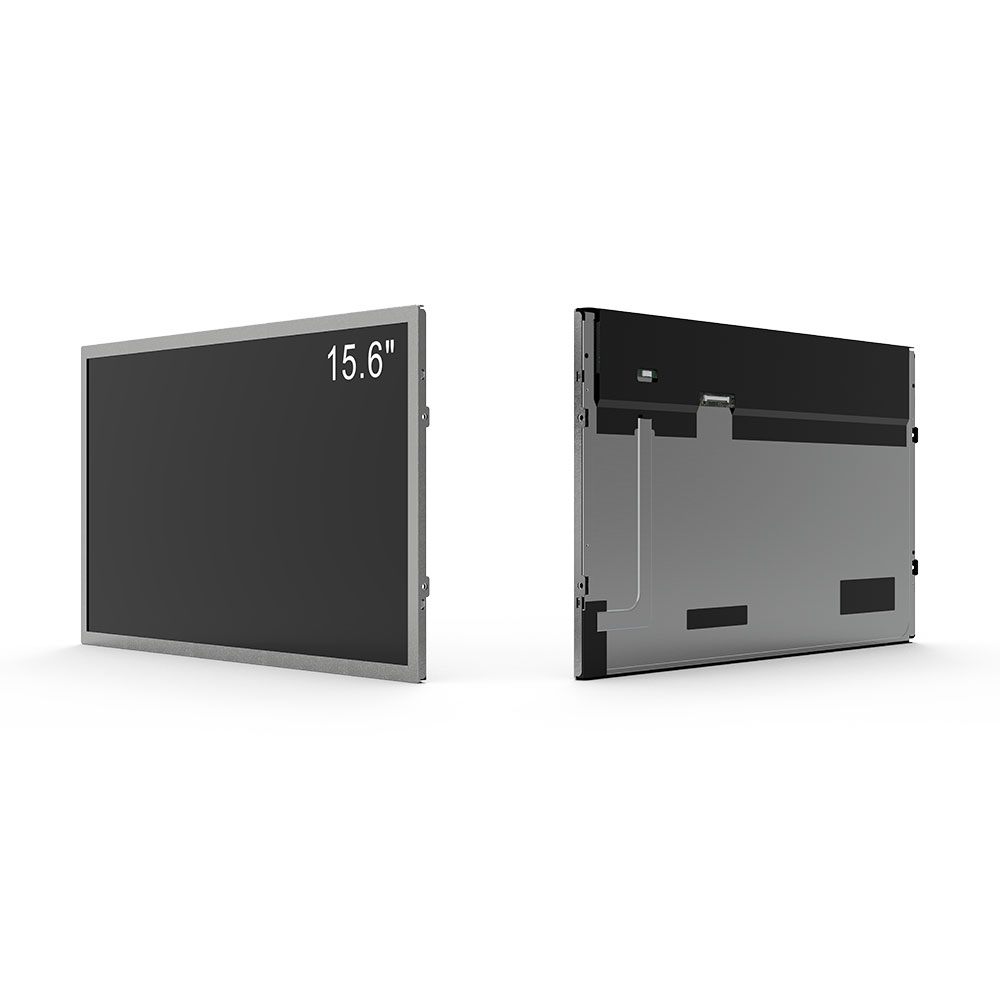
However, IPS panels historically suffered from slower response times and higher power consumption compared to TN panels. Recent advancements, such as Fast IPS (F-IPS), Advanced Super IPS (AS-IPS), and Plane-to-Line Switching (PLS) developed by Samsung, have significantly mitigated these drawbacks. Modern IPS panels now boast response times as low as 1ms, competitive with TN technology, while maintaining excellent color performance. Power efficiency has also improved due to innovations in backlighting (e.g., LED edge-lit and mini-LED arrays) and reduced voltage requirements for pixel switching.
From a manufacturing perspective, IPS technology has matured into a robust, scalable solution. It is now found in smartphones (e.g., iPhone models from 2015 onward), tablets, laptops, desktop monitors, and automotive infotainment systems. The global market for IPS displays, driven by demand for high-brightness and sunlight-readable screens in outdoor environments, continues to grow rapidly. According to a 2023 report by Grand View Research, the global IPS LCD market size was valued at USD 38.7 billion in 2022 and is projected to grow at a CAGR of over 6.2% through 2030.
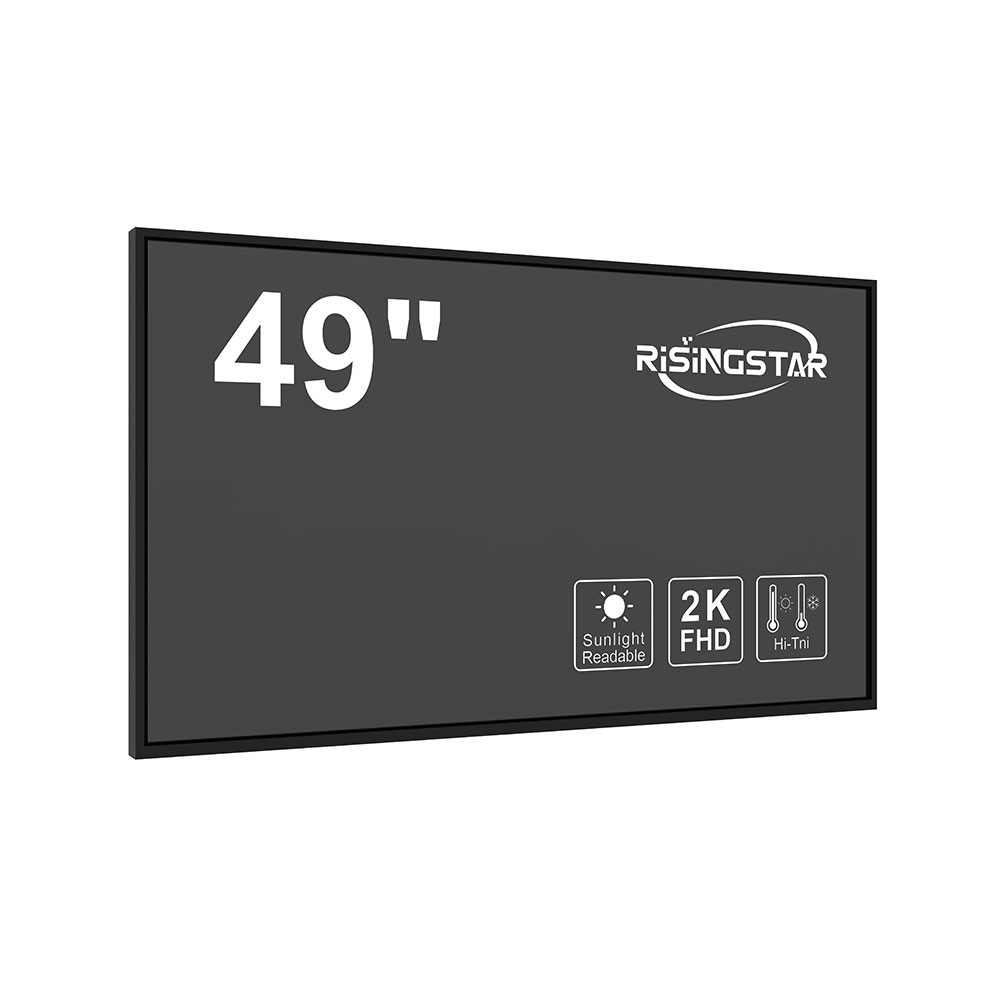
Moreover, the adoption of IPS in sunlight-readable applications—such as military equipment, industrial control panels, and public kiosks—has been accelerated by the development of ultra-high-brightness backlights (up to 5,000 nits) and anti-reflective coatings. These enhancements ensure visibility under direct sunlight without compromising image quality, a critical feature for mobile and ruggedized devices.
In summary, IPS display technology represents a foundational advancement in LCD engineering, offering a balance between color fidelity, wide viewing angles, and modern performance metrics. Its evolution—from a niche professional solution to a mainstream display standard—is well documented in academic literature and referenced extensively on Wikipedia as a benchmark in flat-panel display innovation. With ongoing R&D focused on energy efficiency, response speed, and adaptive brightness, IPS remains a cornerstone of next-generation visual interfaces in both consumer and industrial sectors.