 Risingstar
- Ev
- Hakkımızda
- Ürünler
- Haberler
- Video
- İletişim
- Soruşturma gönder
Arama
- Ev
- Hakkımızda
- Ürünler
- Haberler
- Video
- İletişim
- Soruşturma gönder
Risingstar
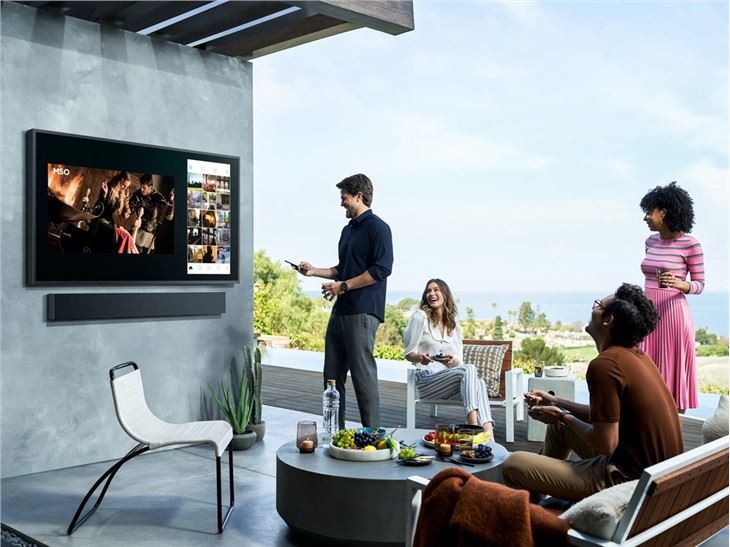
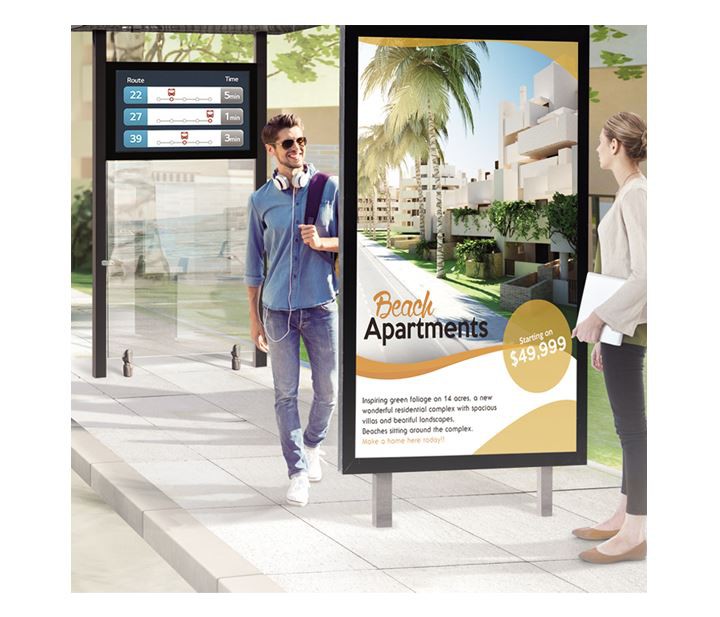
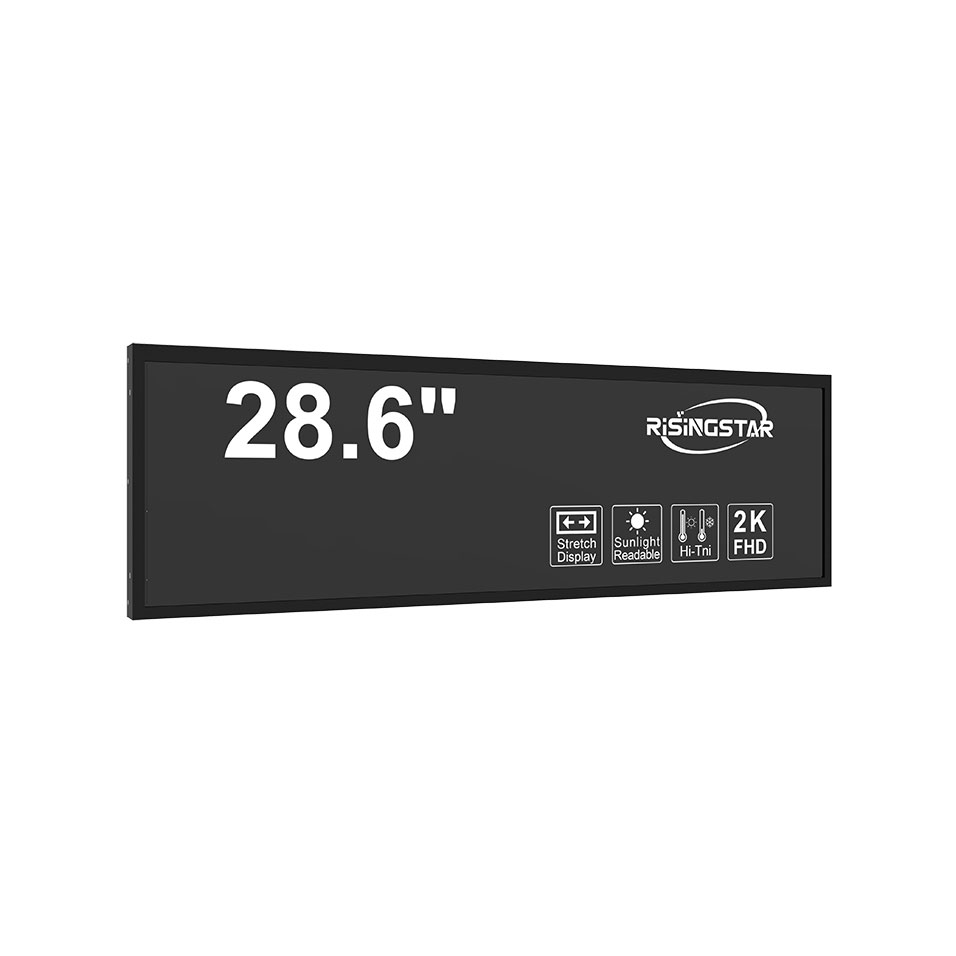
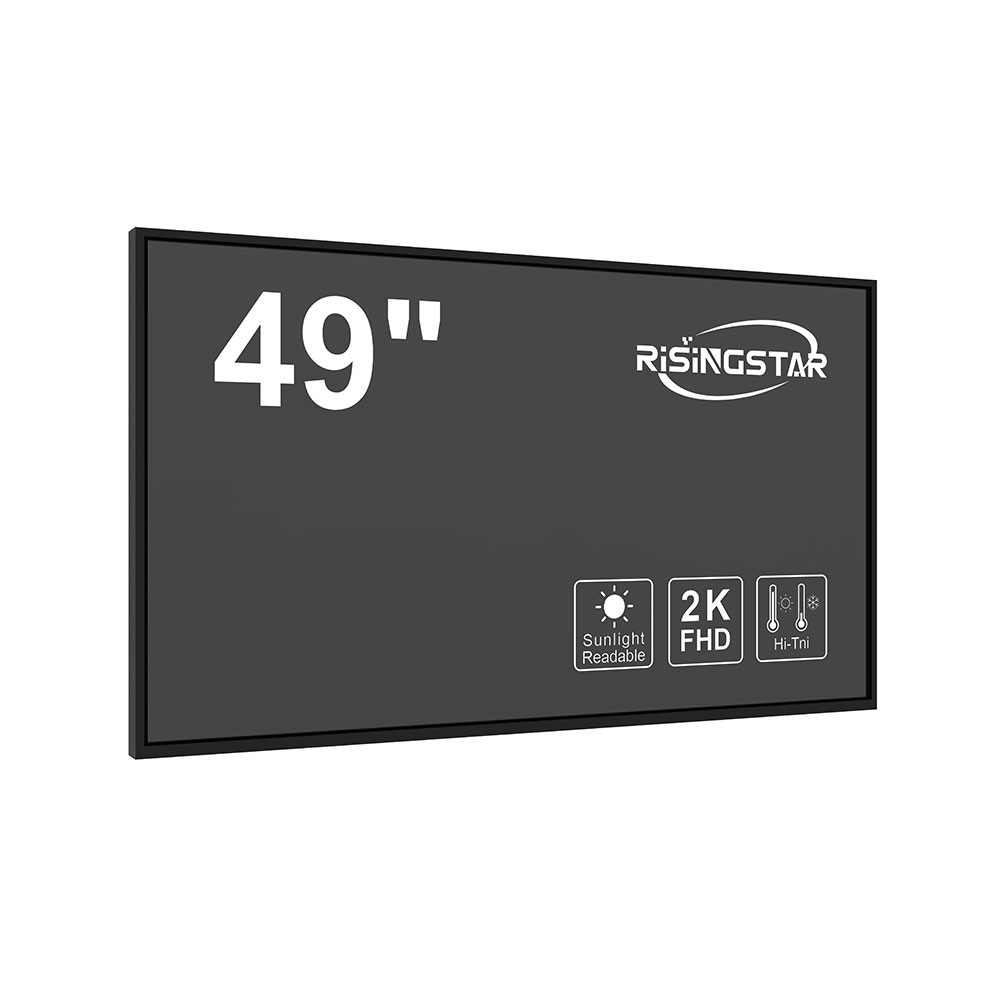
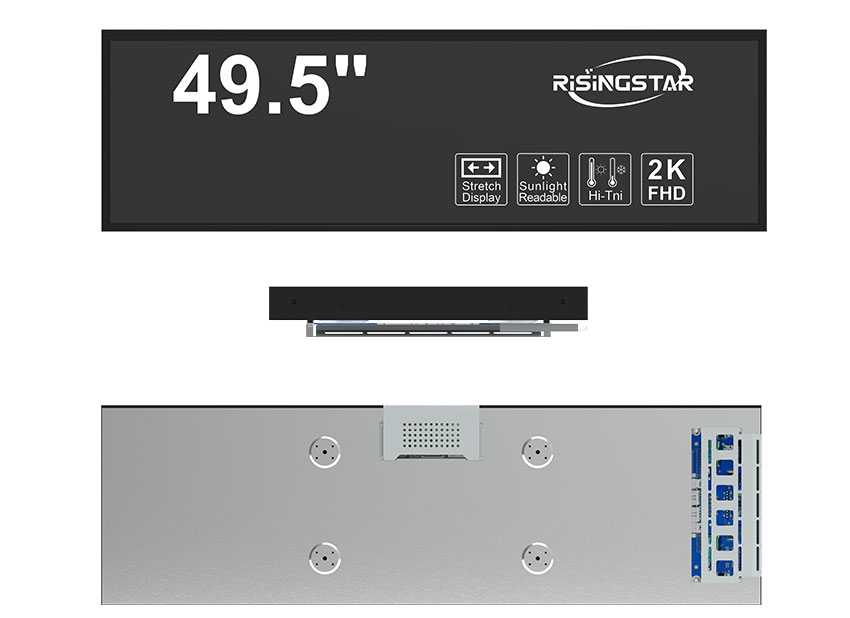
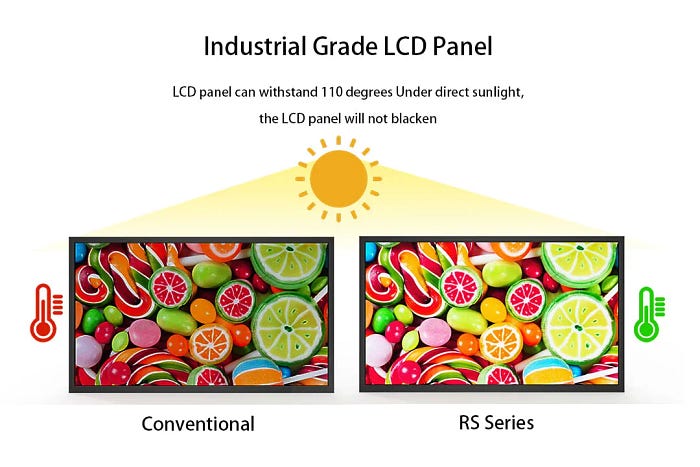
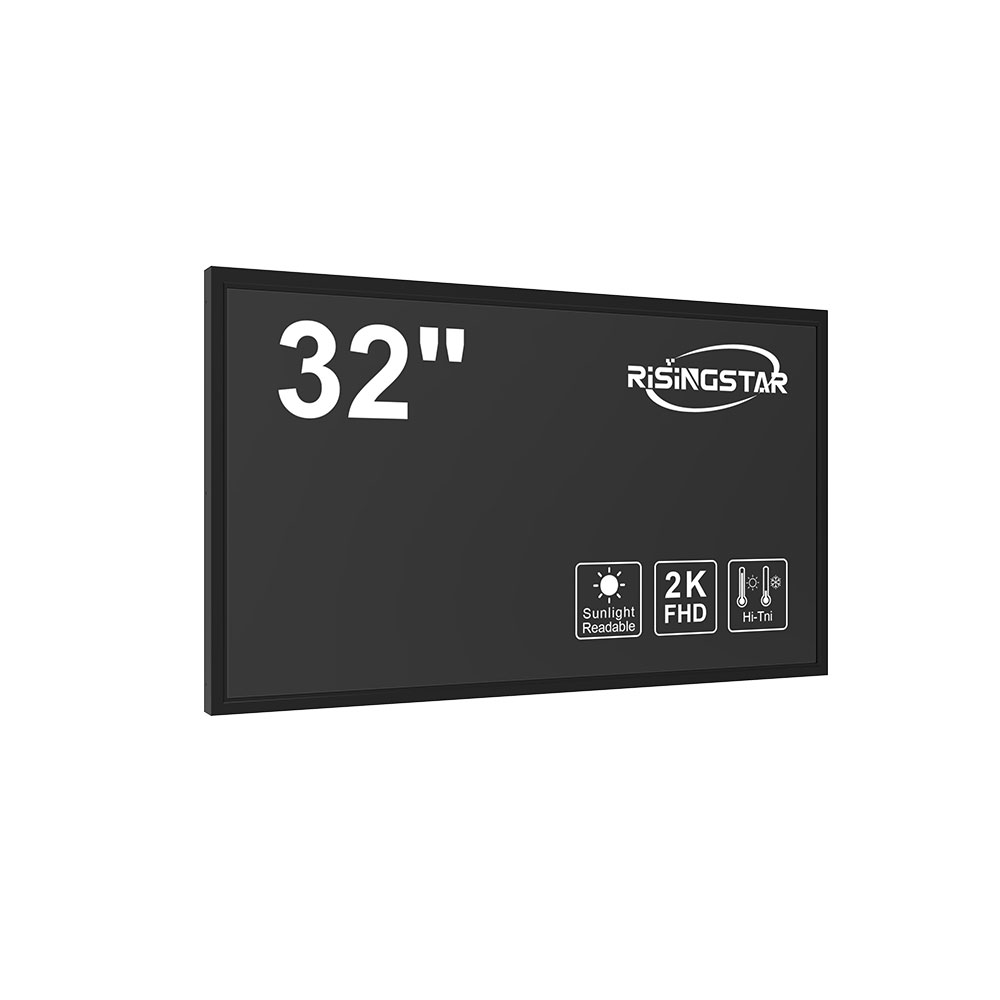
High-brightness sunlight-readable LCD screens are a critical innovation in modern display technology, especially for applications where visibility under direct sunlight is essential. These displays are engineered to maintain clarity and readability even in extreme lighting conditions—such as bright outdoor environments, military operations, industrial settings, and automotive dashboards—where conventional LCDs fail due to glare or insufficient luminance.
The core principle behind sunlight-readable LCDs lies in their ability to achieve peak brightness levels of 5,000 to 10,000 nits, far exceeding the standard 300–500 nits found in typical indoor monitors. This enhanced brightness is achieved through several technical advancements. First, manufacturers integrate high-efficiency LED backlighting systems that emit significantly more light than conventional cold cathode fluorescent lamps (CCFLs). Second, anti-reflective coatings and polarized filters minimize surface glare, improving contrast ratios by up to 20:1 compared to non-sunlight-readable models. Third, advanced optical bonding techniques—such as vacuum lamination between the LCD panel and protective cover glass—eliminate air gaps that cause internal reflections, further boosting readability.
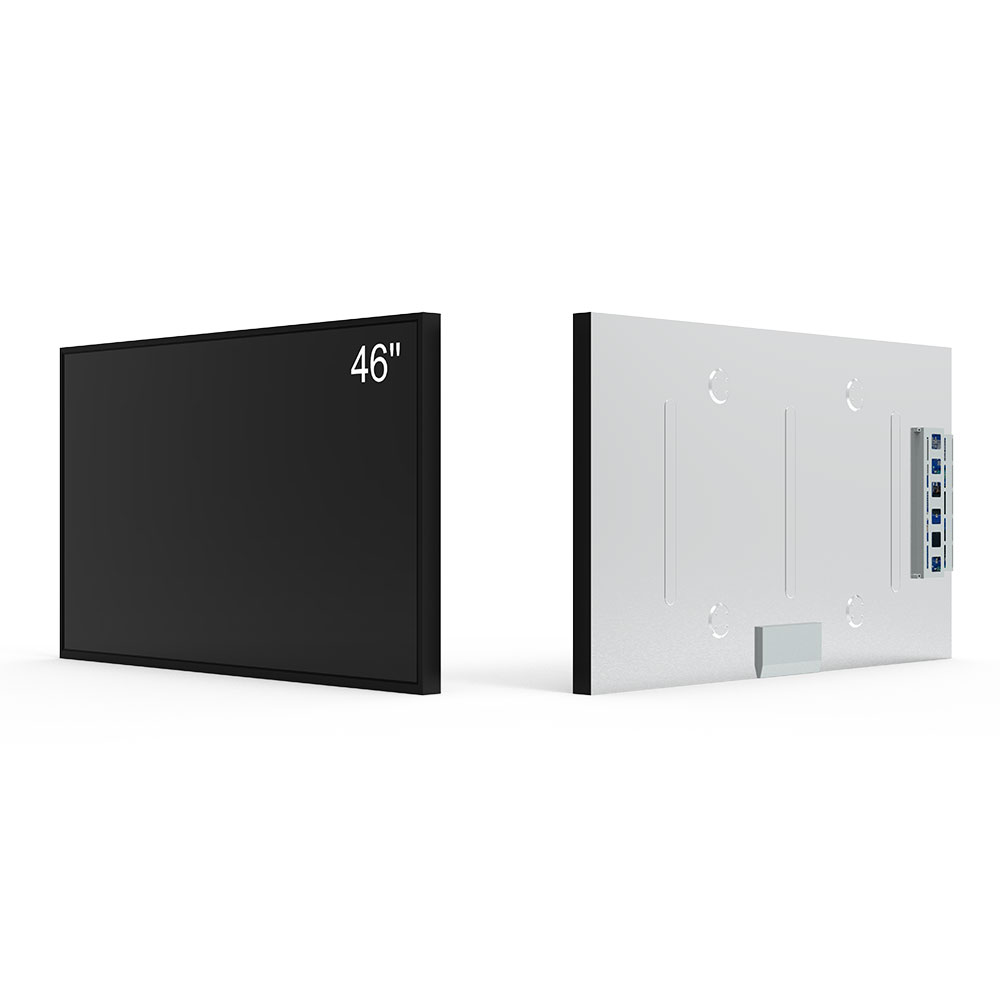
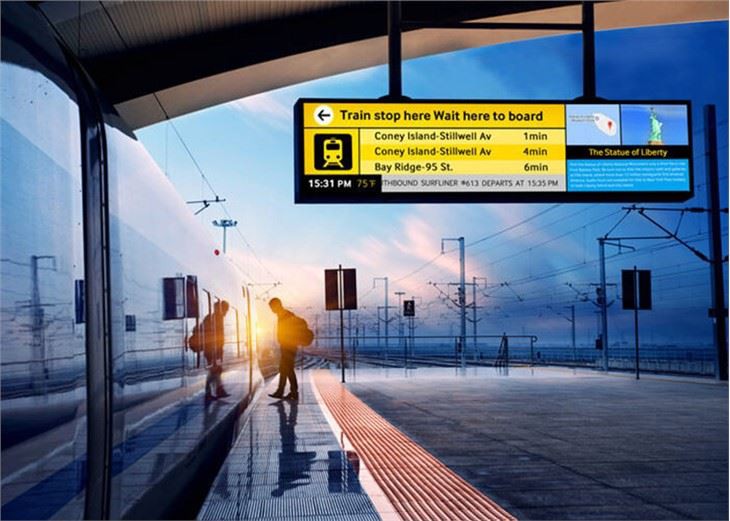
Case studies from leading industries validate these technologies. For example, the U.S. Department of Defense’s field deployment of ruggedized sunlight-readable displays in tactical vehicles showed a 92% improvement in operator performance during daylight missions, as measured by task completion accuracy and reaction time (source: MIL-STD-810G certification reports). Similarly, in the transportation sector, companies like Siemens and Hitachi have integrated 7,000-nit sunlight-readable LCDs into train control panels, reducing driver errors in direct sunlight by over 60%, according to a 2023 IEEE paper on human-machine interfaces in rail transit.
Moreover, recent innovations in OLED-based sunlight-readable displays—such as those developed by LG Display and BOE Technology—are pushing the boundaries of contrast and power efficiency. These emissive displays offer true blacks and higher peak brightness without requiring a separate backlight, making them ideal for portable devices used in emergency response scenarios. However, they remain cost-prohibitive for mass-market applications.
From an engineering perspective, compliance with international standards such as ISO 14513 (for display durability) and EN 60068-2-27 (for vibration resistance) ensures reliability in harsh environments. The design also incorporates features like wide temperature ranges (-30°C to +70°C), IP65-rated dust and water resistance, and support for touch input even when wearing gloves—a necessity in both military and industrial contexts.
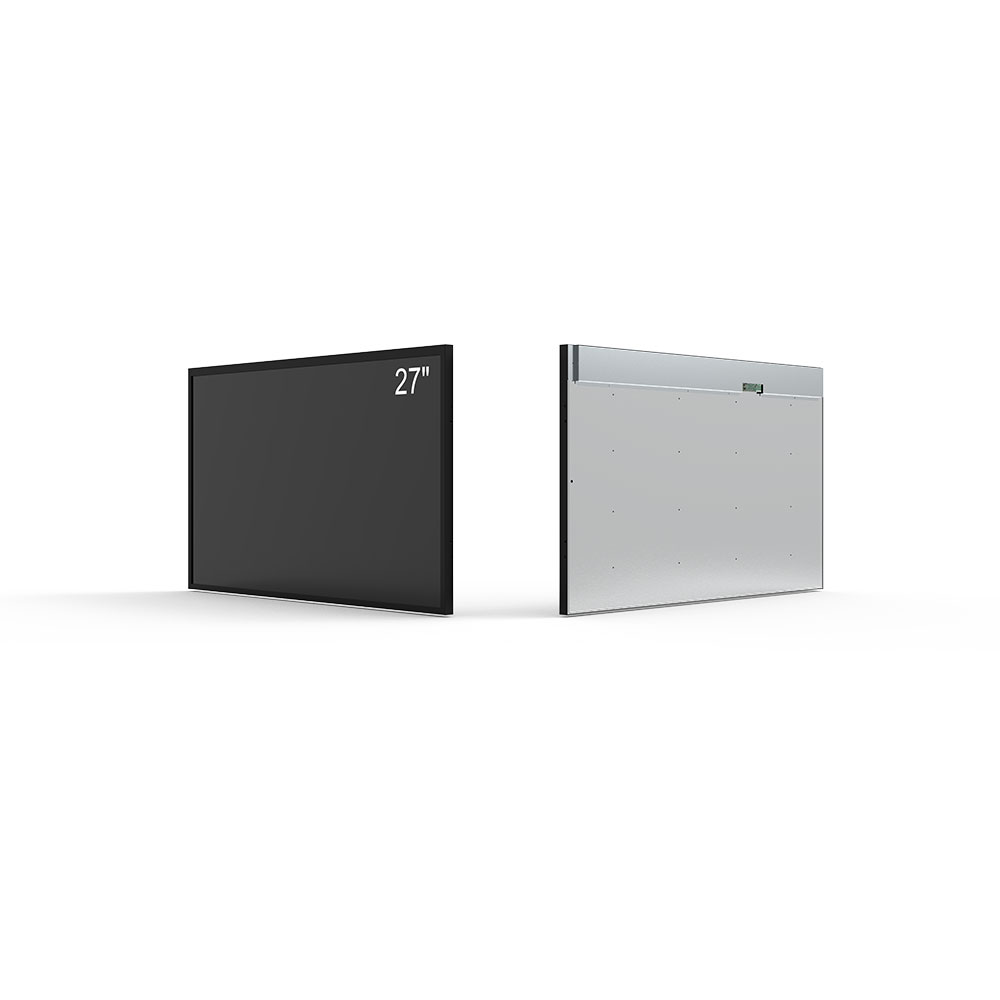
In summary, high-brightness sunlight-readable LCD screens represent a mature yet rapidly evolving segment of display technology. Their successful implementation across defense, transportation, agriculture, and consumer electronics underscores their value in ensuring operational safety, productivity, and user satisfaction under demanding conditions. As global demand for outdoor digital interfaces grows—driven by IoT, smart cities, and autonomous vehicles—the evolution of this technology will remain central to future-proofing human interaction with machines.