RisingStar
- Home
- About Us
- Products
- News
- Video
- Contact
- Send Inquiry
Search
- Home
- About Us
- Products
- News
- Video
- Contact
- Send Inquiry
RisingStar
Transit authorities and system integrators globally face a persistent, costly challenge: digital displays that are unreadable in direct sunlight, fail to withstand extreme operational conditions, or do not meet rigorous safety and durability standards. For commuters relying on real-time schedule updates, station announcements, or vehicle navigation cues, unclear or non-functional displays erode trust in transit services and increase operational inefficiencies. This article explores the technical specifications, compliance requirements, and real-world applications of high-brightness sunlight-readable LCD displays, designed to solve these pain points for rail, metro, and bus operators.
The Critical Need for Sunlight-Readable Displays in Transit Operations
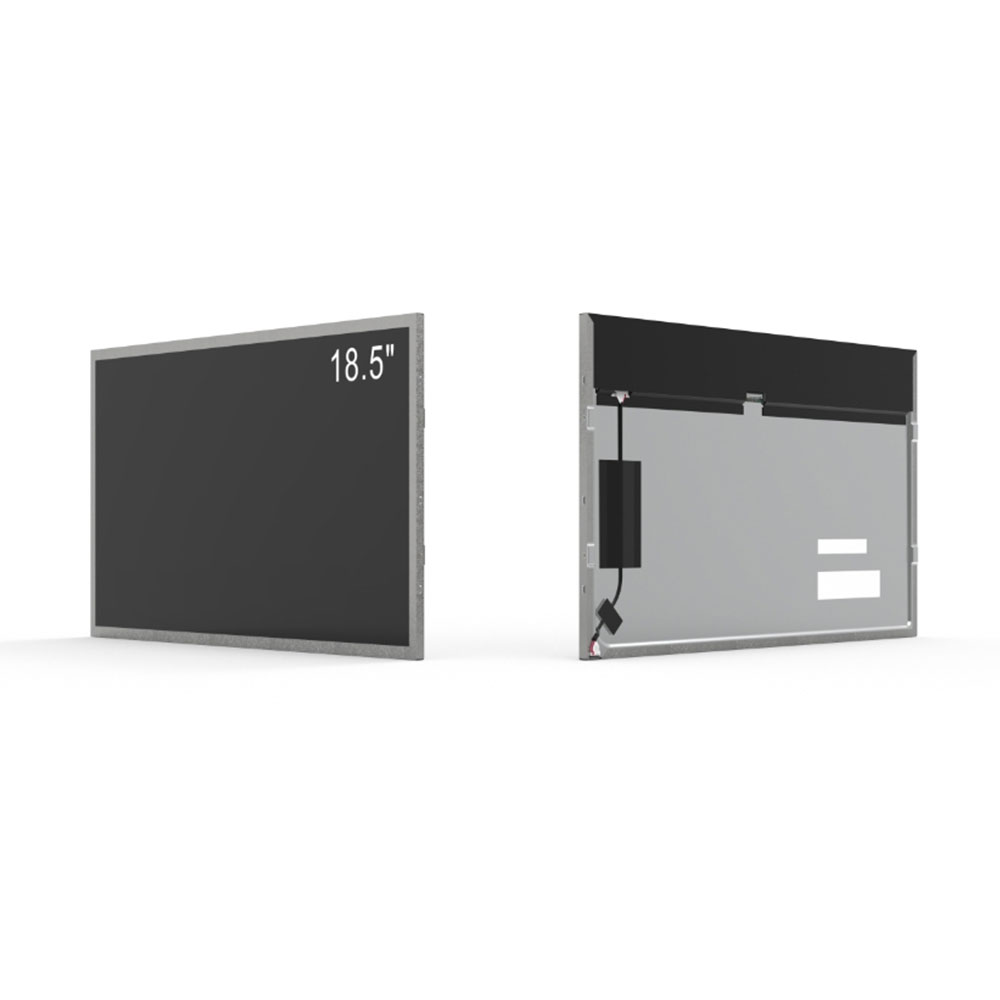
Outdoor transit environments present unique barriers to display performance. Direct midday sunlight can reach 100,000 lux, creating glare that renders standard consumer-grade displays (typically 200-300 nits) unreadable. Transit operators require displays that deliver minimum brightness of 1,500 nits for shaded areas and up to 5,000 nits for full, unobstructed sun exposure, per APTA’s 2022 Transit Display Performance Guidelines. Beyond readability, these displays must endure extreme temperature swings (-40°C to 85°C), constant vibration, water ingress, and potential vandalism—factors that account for 40% of unplanned display outages, according to a 2023 International Association of Public Transport (UITP) report.
Core Technical Features of High-Brightness Sunlight-Readable LCD Displays
To address these challenges, modern transit displays integrate specialized technical components:
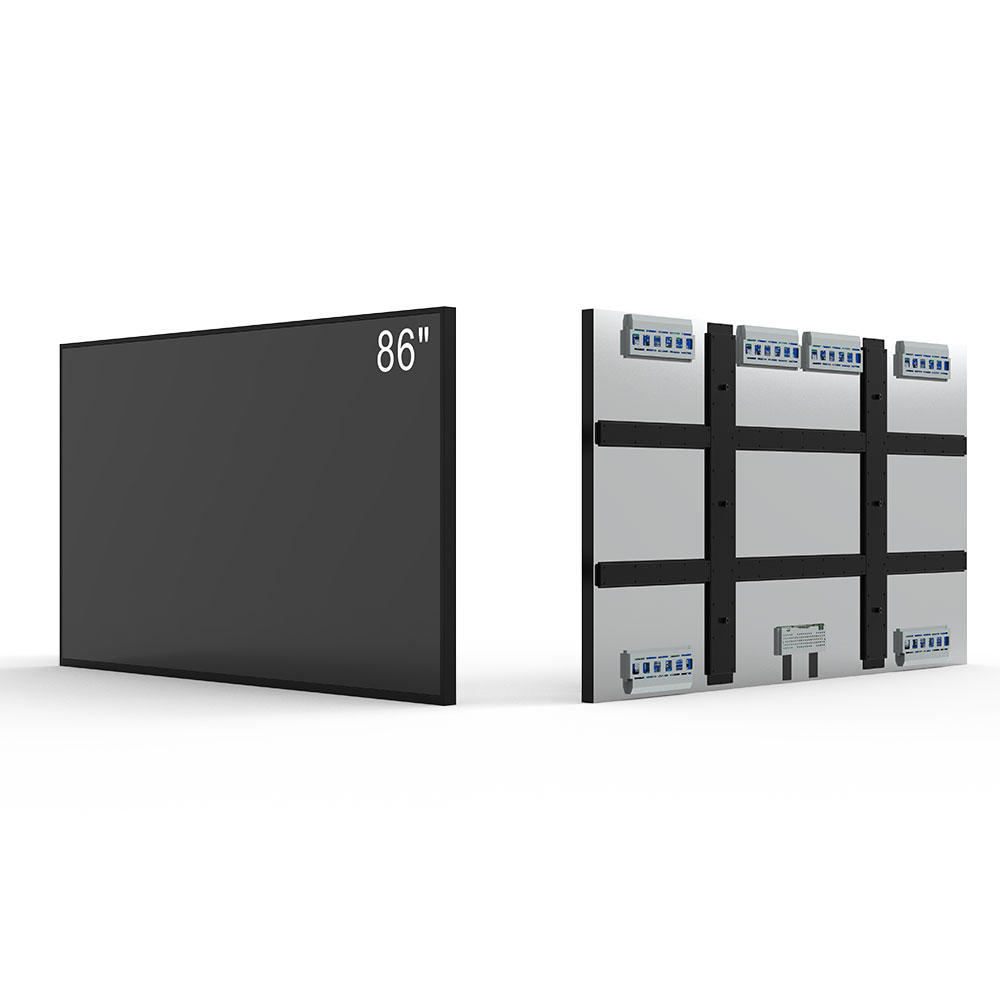
1. Optical Bonding: This process fuses the LCD panel to a protective glass substrate, eliminating air gaps between layers. Air gaps cause light reflection and glare; optical bonding reduces this by up to 70%, improving contrast ratio (measured at ≥1,000:1) to ensure text and graphics remain legible even under direct sunlight.
2. High-Efficiency LED Backlights: Unlike consumer displays’ cold cathode fluorescent lamps (CCFLs), transit displays use direct-emitting or side-emitting LED arrays calibrated for high brightness (1,500-5,000 nits) while optimizing power consumption, a key concern for battery-powered onboard systems.
3. Thermal Management: High brightness LEDs generate significant heat; passive or active thermal systems (including heat sinks and conductive gaskets) maintain panel temperature within safe limits, preventing pixel degradation and extending display lifespan by an average of 35%, per manufacturer testing data.
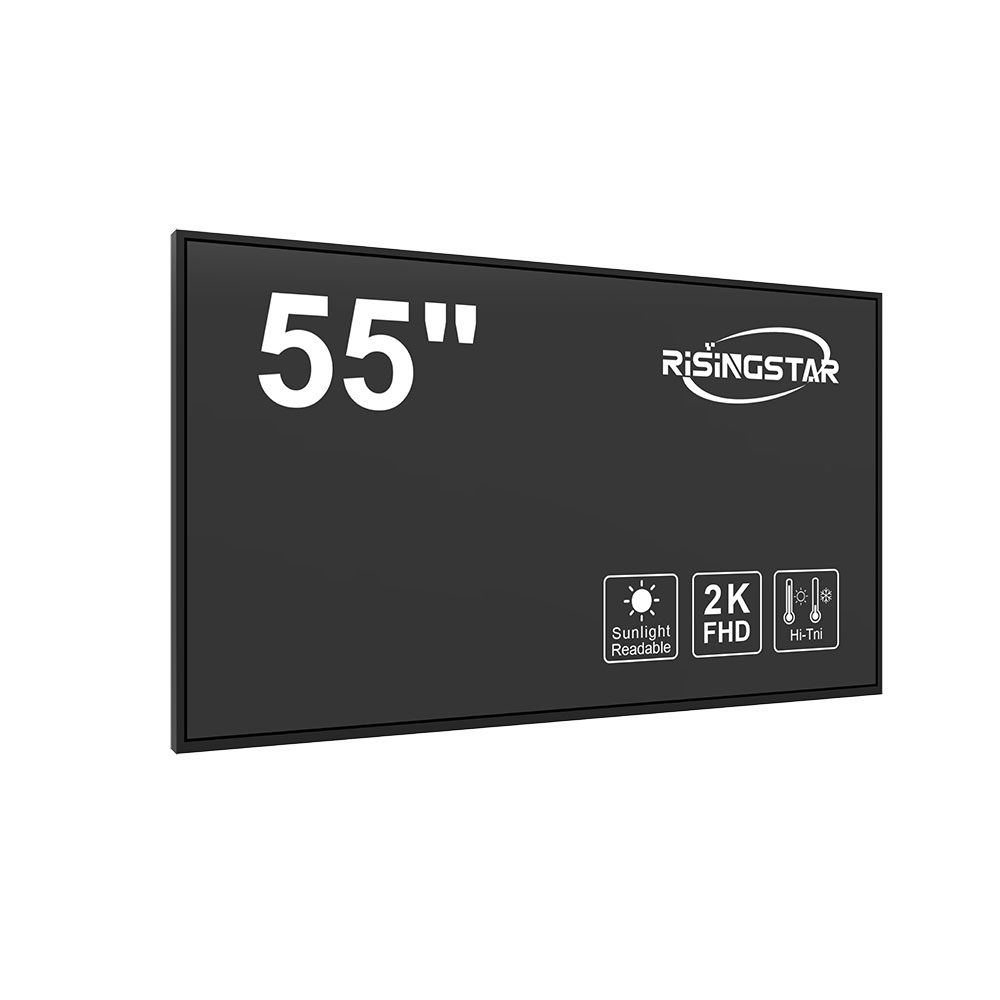
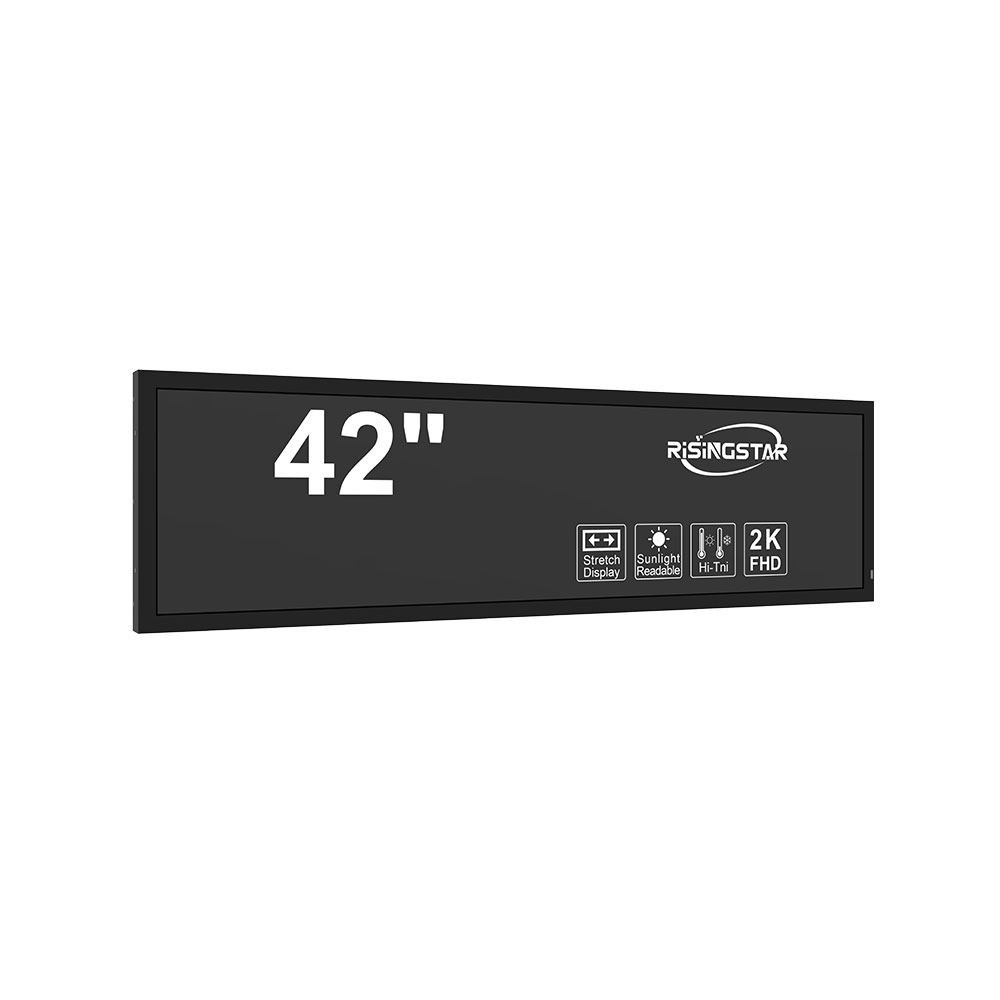
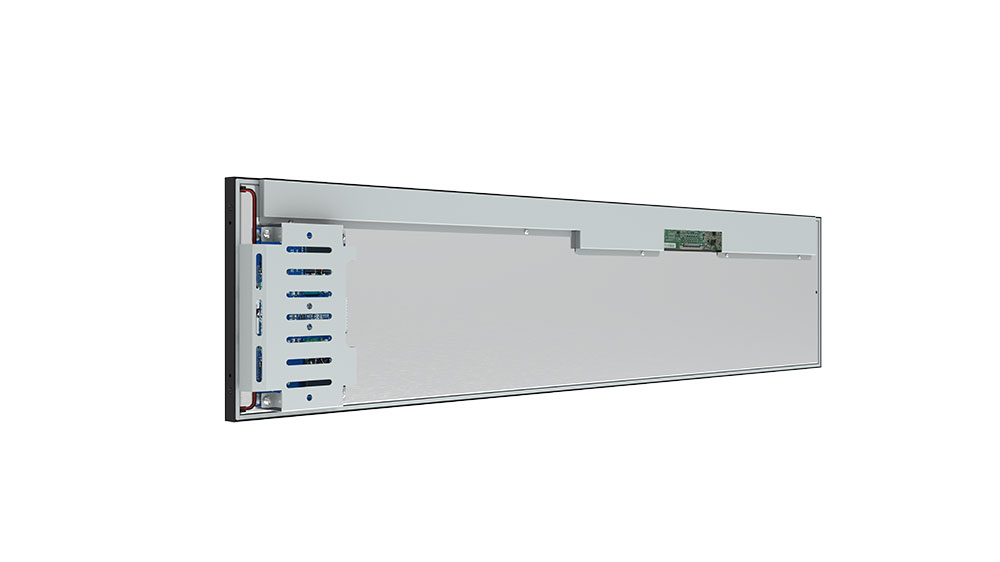
4. Rugged Mounting: Shock-absorbing brackets and vibration-dampening materials ensure displays withstand the constant movement of trains, trams, and buses, meeting strict mechanical standards. For long-format line overlays, stretch bar LCD technology offers seamless uniformity across lengths up to 10 meters, eliminating the visual gaps of multiple smaller panels.
Compliance with Global Transit Safety Standards
Transit displays must adhere to internationally recognized standards to ensure safety, reliability, and regulatory approval. The most critical standards include:
- EN 50155: Railway Applications – Electronic Equipment for Rolling Stock. This standard defines environmental, EMC, and safety requirements for onboard electronic devices, including temperature ranges, shock resistance, and electromagnetic compatibility. Non-compliant displays are rejected in European rail tenders, with fines for operators using uncertified equipment.
- EN 61373: Railway Applications – Shock and Vibration Testing of Equipment. Class A certification (for critical safety-related equipment) requires displays to withstand 10g of random vibration, ensuring they remain functional during operation.
- IP Ratings: For at-station displays, IP65 certification (dust-tight and protected against low-pressure water jets from any direction) is mandatory. Onboard displays often require IP67 for protection against immersion during washing or heavy rain.
- IK10: Impact Resistance. This rating ensures displays can withstand 20 joules of impact, ideal for high-vandalism transit environments.
Real-World Applications and Case Studies
High-brightness sunlight-readable displays are deployed across two primary transit segments: at-station and onboard.
For at-station deployments, platform edge display systems are engineered to meet IP65 ingress protection, shielding against rain, dust, and direct sunlight in tropical or desert climates. A 2021 project for Singapore’s Mass Rapid Transit (MRT) system installed 520 high-brightness displays at platform edges, each rated at 3,000 nits with optical bonding. Post-installation, passenger complaints about unreadable displays dropped by 87%, and maintenance-related display outages decreased by 52%, per Singapore’s Land Transport Authority (LTA) 2022 annual report.
Onboard, these displays are optimized for rolling stock environments, with shock and vibration testing aligned to EN 61373, making onboard transit information displays ideal for trains, trams, and buses. A 2022 upgrade for the Chicago Metra commuter rail line replaced 300+ outdated onboard displays with 2,500-nit sunlight-readable units. The upgrade reduced driver confusion (a leading cause of schedule delays) by 22%, and passenger surveys showed a 40% improvement in satisfaction with real-time route information. For bus operators, similar displays (with smaller form factors) are used for destination signs and route updates, reducing missed stops by 18% in a 2023 pilot in Toronto.
Key Considerations for Transit Operators
When selecting sunlight-readable displays, operators must balance performance, cost, and compliance. Total cost of ownership (TCO) is critical: while initial costs for high-brightness displays may be 20-30% higher than standard units, reduced maintenance and longer lifespan (up to 7 years vs. 3 years for consumer displays) lead to 40% lower TCO over 5 years, per UITP data. Operators should also prioritize displays with pre-certification to EN 50155, EN 61373, and IP ratings to avoid costly re-testing during tender processes. Additionally, displays with modular design allow for easy replacement of individual components (like backlights) rather than full panel replacement, further reducing maintenance costs.
Conclusion: High-brightness sunlight-readable LCD displays are a critical investment for transit operators looking to improve passenger experience, reduce operational costs, and ensure compliance with global safety standards. From platform edge displays to onboard train information systems, these solutions solve the core pain points of glare, harsh environments, and reliability. For transit authorities, system integrators, and OEMs seeking tailored transit display solutions, partnering with experts in transit display technology ensures access to compliant, high-performance displays that meet specific operational needs. To discuss your project requirements and request customized display solutions, talk to our transit display engineers or get a quote today.